






More Allergy, Asthma & Infectious Disease Articles
Why Is My Bug Bite Swollen and When Should I Be Concerned?
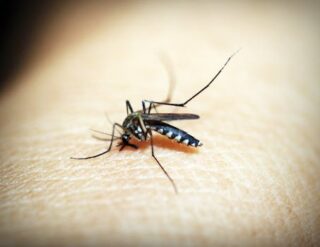
If you’ve ever experienced a bug bite is swollen, you’re not alone. Most people, at some point, encounter an insect bite or sting that results in swelling, redness, and discomfort. Understanding why this happens and knowing when to seek medical advice can be crucial for your health and peace of mind.
Why a Bug Bite Is Swollen
The swelling from a bug bite is typically a result of your body’s natural immune response. When an insect bites, it often injects saliva that contains proteins your body may recognize as foreign. This triggers an inflammatory reaction, causing redness, heat, and swelling as part of the immune defense.
Common Causes of Swelling from a Bug Bite
Various insects can leave you with a swollen bug bite. Mosquitoes, ticks, fleas, and ants are common culprits. The body’s reaction can vary depending on the person and the type of bug. Some people may experience more significant reactions due to allergies.
For more comprehensive health and fitness advice, you might want to check out fitness tips for staying active.
Symptoms to Monitor
Typically, the swelling and redness begin shortly after the insect bite and can last for a few days. In some cases, you may notice symptoms like itching or a burning sensation. If the swelling spreads significantly, or if you experience symptoms such as difficulty breathing, dizziness, or nausea, medical attention is necessary.
When to Be Concerned About Swelling
While most swollen bug bites are harmless, certain signs may require a doctor’s visit. These include:
- Swelling that persists for more than a week.
- Signs of infection like pus, increased redness, or warmth.
- Severe pain or an open sore at the bite site.
- Fever or the area being larger than 10 cm.
In rare cases, a swollen bug bite may lead to an allergic reaction called anaphylaxis, which is life-threatening. If you or someone else shows symptoms such as swelling of the face, lips, or throat, or has difficulty breathing, seek emergency medical care immediately.
Preventing Bug Bites
Prevention is key when it comes to bug bites. Here are a few tips to help you avoid them:
- Wear long sleeves and pants when outdoors.
- Use insect repellent on exposed skin.
- Avoid areas where bugs are prevalent, especially during peak times like dusk and dawn.
- Keep doors and windows closed or use screens to keep insects out.
Home Remedies for Swollen Bug Bites
While waiting for the swelling to subside, certain home remedies might offer relief:
- Applying a cool compress to reduce swelling and numb the area.
- A paste of baking soda and water may help soothe the itch.
- Calamine lotion or hydrocortisone cream can ease itching.
- Oatmeal baths may provide soothing relief for multiple bites.
Always test a small skin area when trying a new remedy to ensure you don’t have an adverse reaction.
When to Seek Professional Help
If home remedies aren’t providing relief, or if the swelling from a bug bite continues to increase, it may be time to consult a healthcare provider. They can assess for potential allergic reactions, infections, or other complications that might require specific treatments.
For reliable, detailed information on various health conditions, visit this educational page on health.
The next time you notice a bug bite is swollen, understanding its potential implications and knowing when to act can prevent discomfort and ensure your well-being.
- Swelling is a common reaction to bug bites due to your immune system.
- Look out for persistent swelling or signs of infection.
- Home remedies can alleviate mild symptoms.
- Always consult a healthcare provider if you experience severe reactions.
- Prevention strategies are effective in avoiding bug bites.
How can I prevent bug bites from occurring?
Prevent bug bites by using insect repellents, wearing protective clothing, and staying indoors during peak bug activity times.
What should I do if a bug bite becomes swollen and painful?
Apply a cold compress to the area, keep the bite elevated if possible, and consider using over-the-counter treatments for itching and swelling.
Can bug bites lead to infections?
Yes, bug bites can become infected if bacteria enter the skin. Monitor for redness, warmth, and pus, which are signs of infection.
What are some signs that a bug bite requires medical attention?
Seek medical attention if the swelling increases beyond a week, you experience fever, or if there are symptoms indicative of a severe allergic reaction.
Are there any long-term effects of bug bites?
Most bug bites heal without long-term effects. However, severe allergic reactions or infections may cause complications that need medical intervention.
Other Articles You May Find of Interest...
- How to Keep Pollen Out of Your Home: Choosing an Air Purifier for Pollen
- When Should Your Child See a Pediatric Allergist? A Three-Trigger Test
- Candida sp. rRNA Results: What Molecular Testing Detects
- Ant Bites or Poison Ivy? How the Rashes Differ
- Can Stress Cause Cold Sores on the Lips?
- Gram-Positive Rods in a Blood Culture: Contamination or Infection?
- Can Head Lice Get Into Your Ears?





