More Gastroenterology Articles
Navigating the Challenges of Radiation Proctitis for Better Health Outcomes
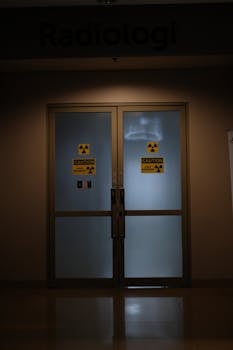
Radiation proctitis is a condition that arises as a result of radiation therapy, typically administered for cancers in the pelvic area such as prostate, bladder, or cervical cancer. The condition manifests when the lining of the rectum becomes inflamed due to exposure to radiation. Understanding its symptoms, treatments, and management strategies is vital for improving patient outcomes.
Understanding Radiation Proctitis
Radiation proctitis can be categorized into two types: acute and chronic. Acute radiation proctitis occurs shortly after radiation therapy, while chronic radiation proctitis may develop months or even years later. Both types present unique challenges and require tailored management approaches.
Symptoms of radiation proctitis often include rectal bleeding, diarrhea, urgency, and abdominal pain. These symptoms can significantly affect quality of life and lead to nutritional deficiencies if not managed effectively.
Diagnosing and Managing Radiation Proctitis
Diagnosing radiation proctitis typically involves a clinical evaluation of symptoms and may include an endoscopic examination of the rectal tissue. In some cases, imaging studies might be required to rule out other conditions.
Certain lifestyle modifications can help manage mild symptoms. These include adopting a low-fiber diet temporarily and avoiding irritants such as alcohol and caffeine. When symptoms are more severe, medical treatments are considered.
Medical Treatments
Several medical interventions are available for radiation proctitis. These may include medications that reduce inflammation, such as corticosteroids, or treatments like hyperbaric oxygen therapy. It’s important for patients to discuss the potential benefits and risks of each treatment with their healthcare provider.
Endoscopic interventions are sometimes employed for chronic cases, using techniques such as argon plasma coagulation to control bleeding and promote healing. In very severe situations where other treatments haven’t been effective, surgery might be considered.
Lifestyle and Supportive Care
While medical interventions are crucial, supportive care also plays an essential role in managing radiation proctitis. This includes nutritional support to ensure the patient maintains a healthy weight and receives adequate vitamins and minerals.
Supportive therapies such as pelvic floor exercises, stress management techniques, and cognitive behavioral therapy can aid in the overall management plan by improving physical and psychological resilience.
Patients may find it beneficial to join support groups where they can share experiences and learn from others who have faced similar challenges. Connecting with such networks can provide emotional support and practical advice.
Reducing the Risk
While radiation proctitis cannot be wholly avoided, certain preventive strategies during radiation therapy planning can minimize risks. These strategies may include advanced radiation techniques that more precisely target cancerous tissues, thereby sparing healthy ones.
For those interested in broader gastrointestinal health, exploring related topics such as the signs of hemochromatosis can offer additional insights into maintaining digestive wellness.
Future Directions in Treatment
Research continues in the field of radiation proctitis to develop more effective treatments that offer better quality of life for patients. Novel therapies such as biologics and cytokine inhibitors show promise in clinical trials and may revolutionize the approach to managing this condition.
Healthcare professionals are focusing on patient education to ensure individuals undergoing radiation therapy for pelvic cancers are informed about the potential side effects and know when to seek medical advice.
External sources of reliable information such as Wikipedia’s health topics page can provide general background knowledge and a springboard for more detailed personal research.
Ultimately, a well-rounded approach that encompasses timely diagnosis, effective treatment, and robust support systems can make a substantial difference in managing radiation proctitis and improving health outcomes.
- Radiation proctitis can occur after pelvic radiation therapy, leading to inflammation of the rectum.
- Symptoms include rectal bleeding, urgency, and diarrhea, impacting quality of life.
- Managing radiation proctitis involves medical treatments, dietary changes, and supportive care.
- Advanced radiation techniques and patient education are pivotal in minimizing risks.
- Continuous research is advancing treatment options, offering hope for better outcomes.
What is radiation proctitis?
Radiation proctitis is inflammation of the rectum lining caused by radiation therapy, commonly used to treat pelvic cancers.
How is radiation proctitis diagnosed?
Diagnosis typically involves reviewing symptoms and may require endoscopic examination or imaging studies to assess rectal damage and rule out other conditions.
Are there treatments for radiation proctitis?
Yes, treatments range from lifestyle changes and medications to endoscopic therapies and surgery, depending on symptom severity and chronicity.
Can lifestyle changes help manage symptoms?
Yes, dietary adjustments and supportive therapies can alleviate symptoms and improve overall quality of life.
Is research being conducted on new treatments for radiation proctitis?
Ongoing research is exploring new therapies, including biologics and cytokine inhibitors, to improve treatment outcomes for radiation proctitis.
Other Articles You May Find of Interest...
- Why You Get Stomach Bloating and Gas After Eating Meat
- Why Does Chick-fil-A Make My Stomach Hurt?
- Dr. Omar Marar on the Evolution of Modern Colorectal Surgery
- Pain Where Your Appendix Was Removed Years Ago: Possible Causes
- Why Multi-Strain Probiotics May Offer Broader Digestive Support
- What a Healthy Colon Looks Like During Colonoscopy
- A Better Digestive Rhythm: Everyday Habits for Preventing Occasional Constipation