More Pain Management & Rehabilitation Articles
What Causes Lichenification of Skin and How to Manage It?
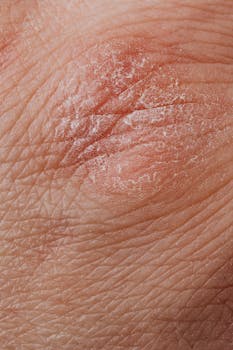
Lichenification of skin is an often overlooked but significant dermatological condition characterized by the thickening and hardening of the skin. This change usually occurs due to chronic rubbing or scratching, making the skin appear leathery, with pronounced lines. Understanding what causes this condition can help in managing and preventing its progression, ensuring healthier skin over time.
Understanding Lichenification of Skin
Lichenification of the skin arises as a defense response to persistent irritation. When the skin becomes inflamed repeatedly, as in conditions like eczema or psoriasis, it thickens to protect itself. This process can make the affected areas uncomfortable and more prone to infection.
Several factors contribute to the development of lichenified skin. Chronic skin conditions, environmental irritants, and personal habits like scratching all play a role. Identifying and mitigating these triggers is crucial in the management process.
Common Causes of Lichenification
Chronic conditions such as eczema, psoriasis, and dermatitis are primary causes of lichenification. These conditions lead to itchy, inflamed skin, prompting sufferers to scratch. The external environment can also exacerbate these issues. Dry climates and cold weather can strip moisture from the skin, increasing irritation.
Moreover, certain fabrics, harsh soaps, and stress are known to aggravate underlying skin conditions, encouraging the cycle of scratching and skin thickening. Identifying these irritants is key to reducing episodes of lichenification.
Symptoms to Recognize
The first noticeable symptom of lichenification is a change in skin texture. The skin becomes thick, leathery, and develops more pronounced lines or ridges. The affected areas are often darker than the surrounding skin, making them visually distinct.
Itching is a significant symptom, often becoming severe enough to interfere with daily activities. Areas commonly affected include the neck, forearms, and lower legs. Recognizing these symptoms early can help in managing them more effectively.
Treatment and Management Options
Managing lichenification primarily involves addressing its root causes and alleviating symptoms to prevent further skin thickening. Treatment typically requires a combination of medications, lifestyle changes, and proper skincare routines.
Medical Treatments
Topical corticosteroids are often prescribed to reduce inflammation and itchiness. In more severe cases, oral medications or light therapy may be recommended. It’s important to follow a healthcare provider’s guidance closely when using any treatment to ensure the most effective results.
If you are experiencing symptoms that indicate a more complex health issue, consider exploring related conditions like hemochromatosis as they could provide additional insights into your skin health.
Home and Lifestyle Remedies
Managing stress can help lessen the severity of itching and, in turn, the likelihood of lichenification. Stress-reduction techniques such as meditation, yoga, or regular exercise can prove beneficial.
Switching to gentle skincare products, wearing soft fabrics, and keeping the skin well-moisturized also aid in reducing irritation and preventing further skin damage. It’s essential to maintain a consistent skincare routine tailored to individual needs.
Prevention Strategies
The best way to prevent lichenification is to manage underlying skin conditions effectively. Regular check-ups with a dermatologist can help in creating personalized skincare regimens.
Refraining from scratching is critical. Keeping nails short and wearing gloves at night can prevent damage caused by unconscious scratching. It’s also helpful to understand what triggers flare-ups and take proactive steps to avoid these when possible.
The Role of Nutrition
While diet alone cannot cure skin conditions, it can play a supportive role in skin health. Diets rich in Omega-3 fatty acids, vitamins, and antioxidants may help maintain healthy skin and reduce inflammation. Foods such as fatty fish, leafy greens, and nuts are excellent choices.
Consulting a dietitian can help tailor a diet plan that supports skin health. However, it’s important to note that nutritional adjustments should complement, not replace, medical treatments.
Conclusion
Lichenification of skin can often be managed effectively with a combination of medical treatment, lifestyle modifications, and comprehensive skincare routines. By understanding the causes and diligently working to address them, individuals can prevent further skin thickening, leading to overall healthier skin.
For further information on maintaining good health and preventing skin conditions, you can refer to educational resources such as this article on health.
- Lichenification results from chronic skin irritation.
- Identifying triggers can prevent further skin damage.
- Medical and home remedies are crucial for management.
- Preventive care includes stress management and skincare.
- Nutritional support may enhance skin health.
FAQs
What does lichenification of the skin look like?
Lichenification appears as thickened, leathery skin with pronounced lines, often darkened compared to surrounding areas. Common sites include the neck, forearms, and lower legs.
Can anyone develop lichenification?
Yes, although it is more common in individuals with chronic skin conditions like eczema or psoriasis. Environmental factors and personal habits also contribute.
How can I prevent scratching and further lichenification?
Prevent scratching by keeping nails short, using moisturizers to soothe the skin, and employing stress-reduction techniques. Identifying and avoiding triggers can help minimize the urge to scratch.
Should I see a doctor about lichenification?
Yes, consulting a dermatologist is recommended to explore the underlying causes and receive a tailored management plan. Early intervention can prevent complications.
Is there a cure for lichenification?
While there is no direct cure, effective management of the causes and symptoms can prevent progression. Treatments focus on reducing inflammation and managing skin conditions.
Other Articles You May Find of Interest...
- What to Do If You Think You Have a Broken Tailbone
- Closed Reduction With External Fixation: How It Stabilizes a Fracture
- Knee Massager for Muscle Tension Around the Knee What You Need to Know
- What Life Really Looks Like a Year After Spine Surgery
- Gout or Bursitis? Why Joint Swelling Can Look the Same
- Broken Kneecap Recovery: How Long Healing Usually Takes
- The Thumb Grind Test: What Pain During It Can Mean