More Neurology Articles
What Is Neuroplasty and How Can It Transform Your Brain Health?
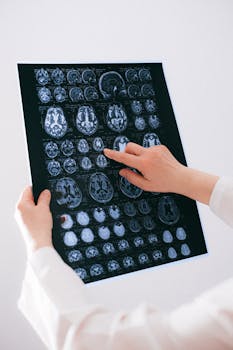
In recent years, the field of neuroscience has captivated the interest of both professionals and laypeople alike, leading to exciting developments such as neuroplasty. Best defined as the brain’s ability to reorganize itself by forming new neural connections, neuroplasty is rapidly gaining attention for its potential to transform brain health. As our understanding of the brain’s plasticity broadens, the possibilities for improving mental function and treating neurological conditions continue to expand.
Understanding Neuroplasty
Neuroplasty suggests that the neuroplasticity of the brain is an innate quality that persists throughout life, allowing for adaptation and regeneration. By creating new pathways and modifying existing ones, neuroplasty equips the brain to respond to new experiences, learning, environments, and even injury. This capacity signifies a departure from the formerly rigid view of the brain as a static organ.
At the core of neuroplasty is the complex interplay of neurons, which can be rewired based on usage, experiences, and stimuli. From developmental stages in children to continued learning in adults, this flexibility has far-reaching implications for cognitive health and rehabilitation.
The Importance of Neuroplasty in Brain Health
The neuroplasty process contributes significantly to brain health by maintaining and improving cognitive function. It is particularly relevant in the context of aging, where it offers potential strategies for counteracting age-related cognitive decline. Neuroplasty also plays an essential role in recovery from brain injuries, such as strokes, by optimizing neural networks for better functionality.
Moreover, neuroplasty supports the ability to learn new skills and acquire knowledge. Whether it’s picking up a new language or mastering a musical instrument, the ability of the brain to change and adapt enhances learning efficiency and retention.
Mechanisms Behind Neuroplasty
Research into the mechanisms behind neuroplasty has identified several key processes, including synaptic plasticity, dendritic branching, and neurogenesis. Synaptic plasticity involves changes in the strength of connections between neurons, while dendritic branching refers to alterations in the architecture of dendrites, the branched projections of neurons. Neurogenesis, the production of new neurons, plays a crucial part as well, primarily occurring in the hippocampus.
The intricate dance of these processes allows for the adaptability and resilience of the brain, offering promising avenues for therapies targeting neurological disorders.
Applications and Potential Benefits of Neuroplasty
One of the major applications of neuroplasty is in the treatment of neurological disorders such as depression, anxiety, and PTSD. Cognitive behavioral therapies and mindfulness practices are examples of psychological interventions that leverage the principles of neuroplasty to promote healing and resilience.
Additionally, lifestyle factors such as exercise, diet, and cognitive training may enhance neuroplasticity. Engaging in regular physical activity, consuming a balanced diet rich in nutrients, and exercising the brain through puzzles and learning can all support neuroplasty. For more on ways to enhance cognitive function, check out our article on supplements that support brain fog and memory.
Research and Future Directions
The field of neuroplasty is a focal point for ongoing research, with studies delving into how different interventions influence the brain’s structural and functional overhaul. Various forms of neuroimaging and electrophysiological techniques continue to enhance our understanding of the underlying mechanisms.
One exciting area of research is the use of non-invasive brain stimulation to enhance neuroplasticity. Techniques such as transcranial magnetic stimulation (TMS) are being explored for their potential to modulate neural pathways in beneficial ways. As we continue to decipher the complexities of neuroplasty, its full potential in clinical and educational settings may soon be realized.
For more in-depth information about neuroplasticity and related topics, refer to this resource from Wikipedia.
The Future of Neuroplasty
Neuroplasty’s impact on our understanding of brain health is profound, indicating a future where tailored interventions might optimize cognitive function and hasten recovery from neurological challenges. Continued research will ensure that these potentials are not just theoretical but are implemented as practical solutions for those seeking improved brain health.
Whether you are interested in cognitive enhancement or concerned about brain health as you age, neuroplasty offers hope and a roadmap to achieving a healthier brain. Through a combination of lifestyle changes and medical interventions, the potential of neuroplasticity can be fully harnessed.
Ultimately, neuroplasty serves as a reminder of the brain’s remarkable capacity for change, emphasizing a paradigm shift in how we approach health, learning, and disease treatment.
- Neuroplasty is the brain’s ability to reorganize connections in response to experience.
- It plays a crucial role in learning and recovery from neurological conditions.
- Mechanisms include synaptic plasticity, dendritic branching, and neurogenesis.
- Lifestyle factors like exercise and diet can support neuroplasticity.
- Ongoing research explores various ways to harness neuroplasty for improved brain health.
What is neuroplasty?
Neuroplasty refers to the brain’s capacity to reorganize and form new neural pathways, allowing it to adapt to new experiences, learning, and injuries.
How does neuroplasty differ from neuroplasticity?
Neuroplasticity is the broader concept describing the brain’s ability to change, while neuroplasty specifically focuses on the reformation of neural connections.
Can neuroplasty be improved through lifestyle changes?
Yes, activities such as regular exercise, a healthy diet, and cognitive challenges can all contribute to enhancing neuroplasticity and thereby support neuroplasty.
What are the therapeutic applications of neuroplasty?
Neuroplasty can aid in the recovery from strokes, brain injuries, and psychiatric disorders by optimizing the brain’s structural configuration and functionality.
Is there an age limit to benefiting from neuroplasty?
While neuroplasticity is more prominent in younger brains, it persists throughout life, indicating that people of all ages can benefit from neuroplasty with the right interventions.
Other Articles You May Find of Interest...
- How to Read a Nerve Conduction Study Report
- Can a Tissue Paper Test Detect a CSF Leak?
- What Does Cerebrospinal Fluid Taste Like During a CSF Leak?
- Cervical Laminectomy: A Complete Guide to This Spinal Decompression Surgery
- Why Concussion Symptoms Can Look Different From Person to Person
- The Crushing Fatigue of ALS
- Complex Partial Seizures: Managing Focal Awareness Loss