More Podiatry Foot Care Articles
Navigating the Complexities of Dens Fractures and Their Impact on Spinal Health
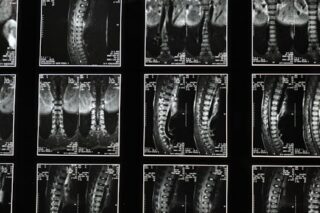
Dens fractures, a type of cervical spine injury, can have significant implications for spinal health. The dens is a pivotal component of the second cervical vertebra, or axis, and is crucial for supporting and enabling the wide range of motion of the head. Understanding dens fractures, their causes, symptoms, treatment, and recovery is critical for anyone affected by this condition or those involved in spinal health care.
Understanding a Dens Fracture
A dens fracture involves a break in the bony protrusion known as the dens, which extends from the second cervical vertebra. This fracture can occur due to trauma such as falls or motor vehicle accidents. As the dens is integral to the atlantoaxial joint, its damage can greatly impact neck stability and mobility.
Types of Dens Fractures
Dens fractures are categorized into different types based on their location and nature:
- Type I: This is a rare fracture occurring at the tip of the dens.
- Type II: The most common type, occurring at the base of the dens. It is the most prone to complications.
- Type III: Extends into the body of the axis, sometimes offering a more stable situation for healing compared to Type II.
Symptoms and Diagnosis
Dens fracture symptoms may include neck pain, limited mobility, and neurological signs such as tingling or weakness if the spinal cord is involved. Diagnosis typically involves imaging studies like X-rays, CT scans, or MRIs to assess the extent of the injury.
For further dietary support in maintaining a healthy weight which contributes to overall spine health, consider reading about the importance of a high-protein diet for weight loss.
Treatment Options for Dens Fractures
Treatment varies based on the fracture type and severity. Type I fractures may only require immobilization, while more complex fractures like Type II often necessitate surgical intervention to ensure stability and proper healing.
Non-Surgical Treatment
Non-surgical management, such as using a cervical collar or a halo vest, is usually considered for non-displaced or minimally displaced fractures. These methods aim to immobilize the neck, allowing the bone to heal naturally.
Surgical Options
Surgery might include anterior screw fixation, which directly secures the dens using screws, or posterior approaches that stabilize the neck via fusion techniques. Surgical decisions are influenced by factors like patient age, health status, and the specific fracture characteristics.
Rehabilitation and Recovery
Post-treatment rehabilitation is critical for recovery, involving physical therapy to regain strength and motion. The timeline varies per individual, from several weeks to months, depending on treatment type and personal healing rates.
Complications of Dens Axis Fractures
Dens axis fractures can lead to several complications if not properly managed. Nonunion, where the fracture fails to heal correctly, is a common concern, particularly with Type II fractures. Additionally, neurological complications stemming from adjacent spinal cord injury can result in chronic pain or movement limitations.
For an in-depth exploration of health-related topics, consider visiting this comprehensive health overview.
Importance of Clinical Consultation
A dens fracture necessitates appropriate clinical evaluation and monitoring to mitigate risks and enhance recovery. A healthcare provider can offer personalized guidance, utilizing imaging results and clinical expertise to craft a tailored treatment plan.
As each dens fracture case is unique, the involvement of a multidisciplinary medical team ensures a comprehensive approach to healing, considering both physical and potentially psychological impacts of the injury.
In conclusion, a dens fracture can significantly affect spinal health, underlining the importance of early diagnosis and a personalized treatment plan. With proper care and rehabilitation, most individuals can expect a favorable outcome, regaining their previous level of neck function.
- Dens fractures are injuries to the cervical spine, impacting the second vertebra.
- Causes include trauma from falls or accidents.
- Treatment options range from non-surgical immobilization to surgery, depending on fracture severity.
- Rehabilitation plays a crucial role in recovery and restoring mobility.
- Consulting healthcare professionals is critical for managing risks and complications.
FAQ
What causes a dens fracture?
Dens fractures often result from trauma such as traffic accidents, falls, or sports injuries that apply significant force to the neck.
What are the symptoms of a dens fracture?
Symptoms can include neck pain, limited movement, and potential neurological signs like numbness or weakness if the spinal cord is involved.
How are dens fractures diagnosed?
They are typically diagnosed using imaging techniques such as X-rays, CT scans, or MRIs to determine the fracture’s nature and extent.
Can dens fractures be treated without surgery?
Yes, minor or non-displaced fractures may be treated with immobilization methods such as neck braces, while more severe cases often require surgery.
What is the prognosis for someone with a dens fracture?
With appropriate treatment and rehabilitation, many individuals can achieve full recovery, although the process may take several months.
Other Articles You May Find of Interest...
- Style Should Not Hurt: Finding Shoes That Fit Your Feet
- When Sinus Tarsi Syndrome Requires Surgery
- How to Help a Broken Toe Heal as Quickly and Safely as Possible
- When a Doctor Recommends Arch Support: What to Expect
- Swelling on the Bottom of Your Foot: Causes to Consider
- When Plantar Fasciitis Won’t Settle: A Podiatrist’s Treatment Options For Stubborn Heel Pain
- The ACV and Baking Soda Foot Soak: What It Does