






More Heart Disease, Stroke and Diabetes Articles
What Causes White Moles and How to Manage Them?
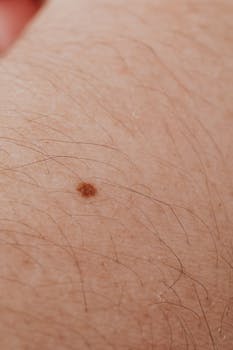
White moles are a curious and sometimes concerning skin anomaly that many people notice at some point in their lives. Generally less common than their darker counterparts, white moles can arise from a variety of causes and understanding them can provide peace of mind. This article will delve into what white moles are, what causes them, and offer guidance on their management.
What is a White Mole?
A white mole, medically known as a halo nevus or leukoderma acquisitum centrifugum, is essentially a benign cluster of pigment-producing cells known as melanocytes. Instead of the typical darker appearance, these moles are surrounded by a white or depigmented area of skin. They can appear anywhere on the body and are usually circular in shape.
Causes of White Moles
White moles frequently develop during childhood or adolescence, although they can appear at any age. Several factors may contribute to their development:
- Genetics: A family history of halo nevi may increase the likelihood of their occurrence.
- Autoimmune Response: In some cases, the body’s immune system attacks the pigment cells surrounding the mole, leading to depigmentation.
- Sun Exposure: Excessive sun exposure can sometimes alter the pigmentation of moles over time, including causing some to become depigmented.
Although white moles are usually benign, any significant changes in their appearance should prompt a visit to a dermatologist for further assessment.
Managing White Moles
Managing white moles often involves a combination of monitoring their development and adopting skin-care precautions. Here are some strategies to consider:
- Regular Monitoring: Keep an eye on any changes in size, color, or shape. Abnormal changes should be examined by a dermatologist.
- Sun Protection: Use broad-spectrum sunscreen to protect white moles and surrounding skin from UV damage, which may exacerbate depigmentation.
- Medical Consultation: Seek professional advice if any white mole appears suspicious, for instance, if it becomes irregularly shaped or painful.
When to Seek Medical Advice
While white moles are typically benign, sudden changes in their appearance can be a red flag. It is crucial to consult a healthcare provider if you notice any of the following:
- Rapid growth or changes in appearance
- Itching, bleeding, or discomfort
- Moles that appear after age 30
An experienced dermatologist can provide a definitive assessment and, if necessary, suggest appropriate treatment or removal options.
Lifestyle Factors Affecting Skin Health
Maintaining overall skin health can play a crucial role in managing moles of any type. Adopting healthy lifestyle habits can support skin integrity and function.
- A balanced diet rich in vitamins and antioxidants
- Adequate hydration to maintain skin elasticity
- Regular exercise to improve circulation and promote skin health
For more detailed information on adopting healthier lifestyle practices, read our article about safe and effective approaches for weight loss.
Understanding the Difference Between White Moles and Other Skin Conditions
White moles can sometimes be confused with other skin conditions such as vitiligo or tinea versicolor, both of which also involve loss of pigmentation. While these conditions manifest differently, a dermatologist can distinguish between them through clinical examination and potentially a biopsy if necessary.
The Role of Medical Technologies
Recent technological advances in dermatology aid in the evaluation and management of white moles. Dermatoscopes and advanced imaging tools provide enhanced views of moles, assisting in accurate diagnostics and monitoring changes over time. For additional insights, you can refer to credible sources such as the Wikipedia page on Health.
In conclusion, white moles are generally harmless skin features, but vigilance is key to identifying any concerning changes. They require understanding, regular monitoring, and sometimes professional attention to ensure continued skin health.
Takeaways
- White moles are usually benign but require regular observation.
- Consult a dermatologist if changes in the mole occur.
- Lifestyle habits can influence overall skin health.
- Avoid excessive sun exposure to reduce skin damage.
- New technologies improve diagnosis and monitoring of white moles.
FAQ
Are white moles cancerous?
White moles are typically benign, but changes in size, color, or other characteristics should prompt an evaluation by a dermatologist to rule out the possibility of skin cancer.
Can white moles turn into melanoma?
While it is rare, any mole, including white moles, has the potential to become malignant. Monitoring for changes and consulting a healthcare provider can mitigate this risk.
How can I prevent white moles from developing?
Prevention may not always be possible, but minimizing sun exposure, maintaining good skin care habits, and leading a healthy lifestyle could help support overall skin health.
What should I do if a white mole changes in appearance?
If you notice changes such as size increase, color change, itching, or bleeding, seek evaluation from a dermatologist to ensure there are no underlying issues.
Can diet and nutrition affect the formation of white moles?
While diet may not directly influence mole formation, a balanced intake of nutrients supports overall skin integrity and health. Engaging in healthy eating practices is always beneficial.
Other Articles You May Find of Interest...
- Decoding Your Hemoglobin A1C Conversion Table for Better Glucose Management
- Is Tupelo Honey Really Better For Diabetics?
- Cardiology: The Heart of Modern Medicine
- Recognizing the Symptoms of a Hole in the Heart in Adults
- What Your Cholesterol Numbers Are Actually Telling You (And How Nutrition Can Help)
- Exploring Life Expectancy After the Watchman Procedure: What to Expect
- How Long Does an Echocardiogram Take? What to Expect



