






More Medication Articles
TCA on Drug Tests: What You Need to Know
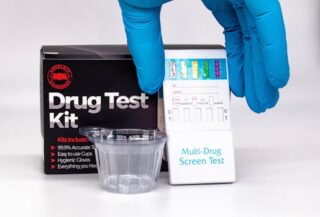
Many people find themselves asking, “What is TCA on a drug test?” This question often arises in both medical and employment settings, where understanding drug test results is crucial. TCA refers to tricyclic antidepressants, a class of medications commonly used to treat various mental health conditions.
What is TCA on a Drug Test?
A tricyclic antidepressant (TCA) is a type of medication prescribed primarily for depression and other conditions such as chronic pain and migraine prevention. On a drug test, “TCA” indicates the presence of these substances. As drug testing technology advances, detecting various classes such as TCAs can be essential for situations involving safety, compliance, and health monitoring.
The presence of TCA metabolites in a urine drug test, which is common in professional and clinical environments, sheds light on whether these medications are being used. Understanding these results can be vital for both healthcare providers and those being tested.
Why Test for TCAs?
Testing for TCAs may be necessary for several reasons. In medical settings, it helps in monitoring patient adherence to prescribed regimens and identifying possible drug interactions. In workplace settings, TCA testing might be part of a broader spectrum to ensure a drug-free work environment, especially in jobs with safety concerns.
Healthcare professionals monitor TCA levels to ensure therapeutic efficacy while avoiding toxicity. These medications have a narrow therapeutic window, meaning the difference between a therapeutic and a harmful dose is small. Regular monitoring helps manage doses effectively.
Understanding Drug Test Results
When interpreting drug test results that indicate the presence of tricyclic antidepressants, it’s important to consider both false positives and negatives. Some medications or substances may cross-react with the assay used in testing, leading to false results.
Consulting with a healthcare provider for accurate interpretation is crucial. They can provide insight into whether a result indicates medication adherence or potential misuse. More information about drug tests can be found on health-focused websites like Wikipedia.
Impact of TCAs
TCAs are efficient for numerous conditions, but like all medications, they may present side effects or interactions with other drugs. Common side effects include dry mouth, blurred vision, constipation, and urinary retention. More severe effects can include cardiovascular complications or interactions with MAO inhibitors.
Due to these potential interactions and side effects, those undergoing TCA therapy should have regular consultations with healthcare providers to adjust dosages and ensure safety, as highlighted in various Your Health Magazine articles on drug interactions.
What is the Detection Window for TCA?
The detection window for tricyclic antidepressants in a drug test can vary based on several factors. These include the specific compound used, dosage, body metabolism, and type of test administered. Generally, TCAs can be detected in urine for up to 7-10 days after the last use. Individual differences in metabolism and kidney function can influence this time frame.
Continual use results in longer detection windows. For a one-time use, the period might be shorter. It is imperative to consider these variations when interpreting results from a TCA drug test.
Impact of TCAs on Drug Tests in the Workplace
In workplaces where drug testing is mandatory, understanding TCA test implications is crucial for employees and employers alike. Employers conducting drug tests must be aware of employees’ prescription medication usage to avoid misinterpretation of results.
Individuals prescribed TCAs should inform their employer or testing authority to ensure transparency. Employers should also be prepared to handle medical information confidentially and professionally to maintain workplace integrity.
TCA Drug Test and Legal Considerations
Legal considerations surrounding drug testing in employment include privacy concerns and anti-discrimination protections. Employees have the right to provide evidence of legal prescriptions. Employers should establish clear policies that comply with local and federal regulations concerning drug testing.
HR departments should keep abreast of evolving guidelines to ensure tests are fair, valid, and respectful of employees’ privacy. Transparent communication between employers and employees helps mitigate potential misunderstandings.
Conclusion
Understanding what is TCA on a drug test leads to broader insights into tricyclic antidepressants and their importance in both clinical and professional environments. Awareness of their detection, impact, and interpretation plays a vital role in health management and workplace practices.
- Tricyclic antidepressants (TCAs) are detectable on many standard drug tests.
- Testing helps monitor treatment adherence and avoid drug interactions.
- Understanding TCA drug tests is crucial in health and legal contexts.
- Communication with employers is key to managing prescription disclosures.
- Consult healthcare providers for personalized advice.
What are tricyclic antidepressants (TCAs)?
TCAs are medications used to treat depression and some other conditions like chronic pain or migraine prevention. They work by altering the levels of neurotransmitters in the brain.
How are TCAs detected on drug tests?
TCAs are detected through urine tests which identify the metabolites present in the system, indicating recent use.
What should I do if prescribed TCAs and subjected to a drug test?
Inform your employer or testing authority about the prescription. Presenting a valid prescription can explain the presence of TCAs in your system.
Can TCAs cause false positives for other drugs?
In some cases, the chemical structure of TCAs can cause cross-reactivity in tests, leading to false positives. Confirmatory tests help to eliminate such errors.
Are there legal protections for employees taking prescribed TCAs?
Yes, employees are protected under privacy laws and regulations. Employers should not discriminate based on legally prescribed medications. Always review workplace policies and legal guidelines to understand your rights.
Other Articles You May Find of Interest...
- Lorazepam vs Clonazepam: Key Differences Explained
- Can You Safely Combine Mucinex and NyQuil for Cold Relief?
- How Long Does Adderall Take to Work and When Will You Feel the Effects?
- How Long Does Adderall Last for Effective Management of ADHD?
- Effective Alternatives to Eliquis for Blood Thinning Management
- Understanding Dosage Conversions: How Many Units Are in 2.5 mg?
- Can You Safely Combine Benadryl and Ibuprofen?




