






More Pain Management & Rehabilitation Articles
Essential Exercises to Avoid for L5-S1 Spine Health
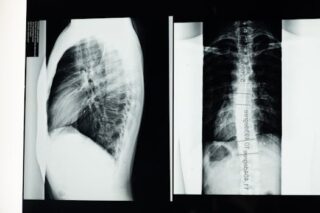
When it comes to maintaining a healthy spine, understanding the exercises that should be avoided for L5-S1 spine health is crucial. The lower back, particularly the L5-S1 vertebrae, is a vulnerable area for many due to its role in bearing much of the body’s weight and its susceptibility to stress. By focusing on lifestyle choices that impact our overall health, one can offer the spine better protection. This article will explore specific exercises to avoid and provide alternatives to help maintain spinal health.
Understanding the L5-S1 Exercises to Avoid
The L5-S1 vertebrae are part of the lumbar spine, which connects the spine to the pelvis. Exercises that impose excessive stress on this area can lead to discomfort or exacerbate existing issues. Let’s review some common exercises to steer clear of and explore safer alternatives.
1. Sit-Ups and Crunches
Sit-ups and crunches are classic exercises for developing core strength, but they can be harmful to the lower back, especially the L5-S1 region. The repetitive flexion of the spine can place undue pressure on the discs and vertebrae. Instead, opt for planks or core stabilization exercises that do not require spinal flexion but still engage the core effectively.
2. Heavy Deadlifts
While deadlifts are highly effective for building strength, improper form or excessive weight can lead to significant strain at the L5-S1 junction. Those with lower back vulnerabilities should prioritize proper form or consider avoiding heavy deadlifts altogether. Substitutes like Romanian deadlifts or using lighter weights can achieve similar strengthening benefits with reduced risk.
3. Intense Twisting Movements
Exercises involving rapid or intense twisting, like Russian twists, can be detrimental to spinal health. These movements may cause rotational stress that impacts the intervertebral discs. It’s better to engage the obliques with side planks or rotational exercises performed with slow, controlled motions.
More L5-S1 Exercises to Avoid
4. High-Impact Aerobics
High-impact aerobic activities, such as jumping exercises or strenuous cardio sessions, can exacerbate lower back problems by jolting the spinal nerves. Instead, choose low-impact cardio options such as swimming, cycling, or using an elliptical machine to protect your lumbar spine while maintaining cardiovascular health.
5. Leg Lifts
Leg lifts, particularly when performed with straight legs, can place significant stress on the lower back. Individuals with weak core muscles often compensate by using their back muscles, leading to injury. Bent-knee leg raises or using devices like an exercise ball to support the lower back are safer alternatives.
6. Forward Bends
Many yoga positions, such as deep forward bends, can strain the lumbar region if not done properly. When performing any bending exercises, ensure the movement is slow and controlled, keeping the back straight to avoid additional strain on the L5-S1 area.
Developing Safe Exercise Practices
Exercise is vital to spine health, but how you exercise can make all the difference. Focus on strengthening the core and improving flexibility through safe and effective practices.
Core Strengthening
A strong core acts as a stabilizer for the spine. Engage in exercises like planks, bridges, and bird-dogs to build strength without compromising your lower back.
Flexibility Training
Incorporate flexibility exercises such as gentle yoga or stretching routines to maintain a good range of motion and support spine health. Be mindful of your form and listen to your body to prevent injuries.
Consulting Professionals
Before embarking on a new exercise regimen, particularly if you have existing lower back issues, consult with a healthcare provider or a physical therapist. They can create a tailored plan that considers both your spine health and fitness goals.
Conclusion
Avoiding L5-S1 exercises to avoid is a vital component of maintaining a healthy spine. By understanding which exercises pose a risk and choosing safer alternatives, individuals can protect their lower back while achieving their fitness objectives. Remember, keeping your spine healthy is a lifelong commitment, and it is always wise to integrate practices that suit your unique needs while consulting with healthcare professionals when necessary. For more comprehensive health information, visit Wikipedia’s health page.
- Avoid exercises that stress the L5-S1 region, like sit-ups and heavy deadlifts.
- Opt for low-impact cardio and core stabilization exercises.
- Ensure proper form and consult professionals for personalized fitness plans.
- Focus on core strengthening and flexibility exercises for spinal health.
- Always listen to your body to prevent injuries.
FAQ
What makes the L5-S1 area prone to injury?
The L5-S1 region is the junction between the lumbar spine and the pelvis, bearing significant weight and stress, making it susceptible to injuries, particularly from improper exercises.
Are there any specific sports to avoid for L5-S1 issues?
Sports involving high-impact movements, such as running or jumping, can exacerbate lower back problems. Opting for low-impact activities like swimming may be beneficial.
Can I still lift weights with L5-S1 problems?
Yes, but it’s crucial to focus on proper form and avoid lifting excessively heavy weights. Working with a trainer can help ensure exercises are performed safely.
Is yoga safe for L5-S1 health?
Yoga can be beneficial if positions are adapted to avoid deepen spinal bends or strains. Gentle stretches and poses tailored to avoid stress on the back are recommended.
How often should I do exercises for spinal health?
Regularity is key, so aim for a balanced routine of strength, flexibility, and low-impact cardio exercises several times a week, tailored to your comfort and fitness level.
Other Articles You May Find of Interest...
- Indocin vs Ibuprofen: Which Pain Reliever Packs a Bigger Punch?
- Is Diclofenac a Potent Pain Reliever? Discover Its Strength and Uses
- Relieving Left-Side Hip Pain: Causes and Effective Remedies
- Effective Pain Relief: Gabapentin or Tramadol for Sciatica?
- Can Methocarbamol Effectively Reduce Inflammation?
- Can Flexeril Effectively Reduce Inflammation Symptoms?
- Knee Massagers: Common Everyday Habits That Can Contribute to Knee Discomfort




