More Allergy, Asthma & Infectious Disease Articles
Recovering from Human Metapneumovirus: What to Expect and How Long It Takes
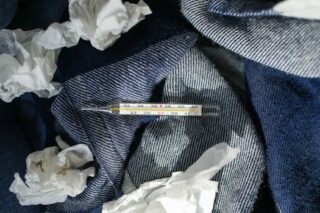
Human metapneumovirus (hMPV) is a respiratory virus that can affect people of all ages, leading many to wonder, “how long does it take to recover from human metapneumovirus?” Recovery time varies, but typically ranges from a few days to a couple of weeks, depending on several factors such as age, overall health, and the severity of the illness. Understanding what to expect can help individuals manage symptoms and seek appropriate care.
How Long Does It Take to Recover from Human Metapneumovirus?
Human metapneumovirus infections typically resolve within one to two weeks. Most individuals experience mild cold-like symptoms, but others, particularly those with weakened immune systems or chronic health conditions, may have a longer recovery period. Factors like age and overall health also play a significant role in the recovery timeline.
The virus is prevalent in late winter and spring. Kids frequently encounter hMPV, but adults, especially those in close proximity to children or the elderly, can contract it as well. Symptoms often mimic those of the common cold, making it essential to practice good hygiene and follow preventive measures to reduce transmission.
Recognizing the Symptoms
Human metapneumovirus symptoms are generally similar to other respiratory infections, including:
- Cough and nasal congestion
- Runny nose
- Sore throat
- Fever
- Wheezing, especially in young children
For most, symptoms subside after a week or two. However, individuals with pre-existing conditions may face prolonged or more severe symptoms, necessitating close monitoring and possibly medical intervention.
Who’s at Risk?
While most people recover without complication, certain groups may be at an increased risk for severe disease. This includes infants, elderly individuals, and those with chronic lung diseases or compromised immune systems. Monitoring symptoms and consulting with a healthcare provider if symptoms worsen is crucial for these groups.
Preventative Measures
Preventing the spread of human metapneumovirus involves several straightforward practices:
- Regular hand washing with soap and water
- Avoiding close contact with sick individuals
- Disinfecting commonly touched surfaces
- Covering mouth and nose when sneezing or coughing
These measures not only help reduce the risk of contracting hMPV but also other respiratory illnesses, contributing to better overall health.
Supporting Your Recovery
While recovering from human metapneumovirus, the following practices may help alleviate symptoms:
- Staying hydrated by drinking plenty of fluids
- Getting adequate rest
- Using over-the-counter medications to manage fever and discomfort
- Employing a humidifier to ease breathing
Mild cases typically resolve on their own, but if symptoms persist or worsen, it is advisable to seek medical care. In severe cases, particularly among at-risk groups, antiviral treatments may be recommended by healthcare providers.
Incorporating healthy lifestyle habits, such as regular exercise, can also improve overall wellness and enhance the body’s capacity to combat infections. For more tips on sustaining an active lifestyle, consider reading our article on fitness tips.
Conclusion: What to Expect Going Forward
Understanding “how long does it take to recover from human metapneumovirus” helps set realistic expectations and aids in managing the recovery process effectively. Typically, individuals are back to their usual selves within a couple of weeks, though some might take longer to fully recover. Remember, those in higher risk categories should remain vigilant and follow healthcare advice closely.
- Human metapneumovirus is a common respiratory virus with symptoms similar to a cold.
- Recovery generally takes one to two weeks, varying by individual health factors.
- Practicing good hygiene can help prevent infection and spread.
- At-risk individuals should consult healthcare providers if severe symptoms arise.
- Rest and hydration are key components of recovery.
FAQ
What are the common symptoms of human metapneumovirus?
Common symptoms include cough, runny nose, sore throat, fever, and wheezing, especially in children.
How does human metapneumovirus spread?
It spreads primarily through respiratory droplets when an infected person coughs, sneezes, or talks.
Who is at higher risk for severe human metapneumovirus infection?
Infants, the elderly, and individuals with weakened immune systems or chronic health conditions are at higher risk.
What should I do if I suspect I have human metapneumovirus?
Rest, stay hydrated, use over-the-counter medications for symptom relief, and consult a healthcare provider if symptoms worsen.
Is there a vaccine for human metapneumovirus?
Currently, there is no vaccine for human metapneumovirus. Preventive measures and good hygiene are the best defenses.
Other Articles You May Find of Interest...
- How to Keep Pollen Out of Your Home: Choosing an Air Purifier for Pollen
- When Should Your Child See a Pediatric Allergist? A Three-Trigger Test
- Candida sp. rRNA Results: What Molecular Testing Detects
- Ant Bites or Poison Ivy? How the Rashes Differ
- Can Stress Cause Cold Sores on the Lips?
- Gram-Positive Rods in a Blood Culture: Contamination or Infection?
- Can Head Lice Get Into Your Ears?