
Fairlington Dental
Fairlington Dental
4850 31st Street
Suite A
Arlington, VA 22206
703-671-1001
More Dental Health Articles
Understanding Tongue Ties and Tongue Releases at Any Age
Why Tongue Function Matters
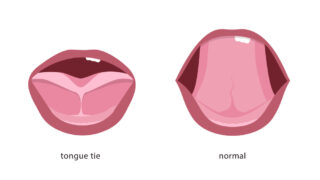
A tongue tie, clinically called ankyloglossia, occurs when the tissue beneath the tongue restricts normal movement. While present at birth, its effects may appear at different stages of life. In infants, tongue restriction often affects feeding. In children and adults, it can influence breathing, jaw development, speech, and long-term oral function.
The tongue plays a central role in health. It supports swallowing, speech, jaw growth, and airway stability, particularly during sleep. When movement is limited, the body adapts, sometimes creating strain or dysfunction over time.
Tongue Ties in Infants
In infants, tongue ties are commonly identified due to feeding challenges. Babies may struggle to latch, tire quickly, or show frustration during feeding. Poor tongue mobility can also lead to excess air intake and inefficient feeding, whether breastfeeding or bottle feeding.
Early tongue restriction may influence how the palate and jaws develop. The tongue helps shape the roof of the mouth. When it cannot move freely, the palate may become higher or narrower, which can affect future dental alignment and airway space.
Tongue Ties in Children and Adults
Not all tongue ties are diagnosed in infancy. Many children and adults adapt without realizing it. Over time, compensation patterns may contribute to speech difficulties, jaw or neck tension, headaches, mouth breathing, snoring, or disrupted sleep.
Since these symptoms often develop gradually, tongue restriction can go unrecognized for years. A functional evaluation focuses not only on appearance, but on how the tongue moves, rests, and supports breathing.
What a Tongue Release Involves
A tongue release, also called a frenectomy or frenotomy, is a procedure that reduces restriction to improve tongue mobility. Modern approaches are precise and designed to restore function, not simply alter anatomy. While the procedure itself is brief, it is only one part of the process.
Proper preparation, guided exercises, and follow-up care are essential to support healing and prevent reattachment.
Supporting Breathing and Long-Term Health
Improved tongue mobility can support healthier oral posture and airway function. When the tongue can rest properly against the palate, it may encourage nasal breathing, balanced jaw development, and improved sleep quality.
In adults, restoring tongue mobility may help reduce long-standing tension patterns and support more efficient function. While outcomes vary, addressing restriction often creates opportunities for improvement that were not previously possible.
A Thoughtful, Individualized Perspective
Not every tongue tie requires treatment. Decisions should be based on symptoms, function, and overall health. When evaluated carefully and treated as part of a broader functional plan, tongue releases can support long-term health and comfort at any age.
A Functional Approach at Fairlington Dental
At Fairlington Dental, tongue ties are evaluated through a functional lens rather than a visual checklist. Care focuses on how the tongue supports feeding, breathing, and oral posture at each stage of life. When a tongue release is recommended, it is part of an individualized plan that includes clear guidance and coordinated follow-up to support meaningful, lasting improvement.
Other Articles You May Find of Interest...
- How TMJ Problems Can Cause Neck Pain and Tension
- Crowns and Bridges: A Complete Guide to Restoring Your Smile
- Dental Crown or Filling: How Do You Know Which One You Need?
- What to Ask Before Choosing Dental Implants Abroad: A Guide for UK Patients
- Can a Tooth Nerve Die? What Happens Inside the Tooth
- Noticing Sensitivity in Teeth? Investigate These 3 Potential Causes
- Why Parents Put Off Their Own Dental Care, and What Some Practices Are Changing