






More Senior Health Articles
Supporting Mobility and Independence for Seniors at Home
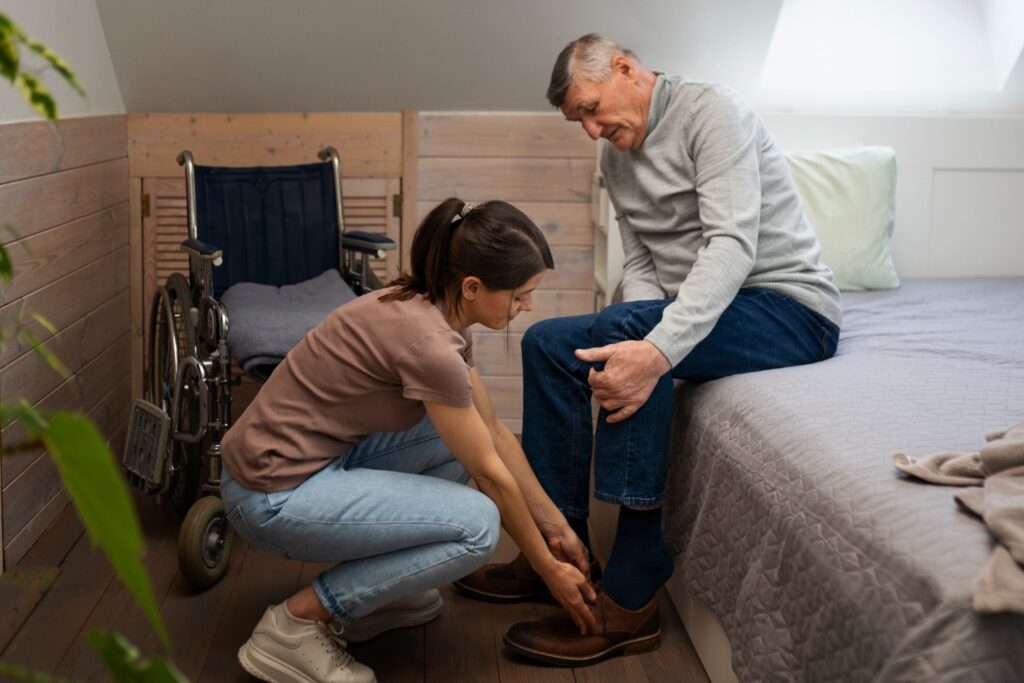
Getting older changes how we move. Staying steady on your feet helps keep freedom, self-assurance, and everyday well-being in reach. When families know what tools work best, tasks at home feel less difficult, even as balance gets trickier. A few smart choices – like handrails or walking aids – and small adjustments around the house let movement stay smooth, without fear of slipping or harm.
This piece looks at real ways older adults can move more easily every day. Choices in tools like walkers matter a lot when staying steady is key. A grab bar here or ramp there changes how someone gets around their house. Independence stays strong when surroundings adapt just enough. Comfort does not have to fade with age if small upgrades happen early. Dignity often ties to being able to do things alone – simple fixes help keep that alive.
Why Mobility Matters in Later Life
Fresh movement shapes how bodies feel, minds relax, lives connect. Walking freely helps older adults keep muscles strong, joints steady, everyday routines going. Without it, loneliness often grows alongside stiff limbs and slower steps. Help from others becomes harder to avoid once motion fades.
Every step matters when helping someone stay steady on their feet. Supporting motion without holding back builds confidence while lowering risks.
Lightweight Assistive Devices for Daily Movement
A small step forward often begins with a lighter tool at hand. Devices built for daily tasks make walking easier without weighing users down. Confidence grows when movement feels less tiring. Energy stays higher when support comes naturally.
A person might manage fine at home with just a cane. Though small, it helps keep steps steady when moving through familiar spaces. Instead of relying on grip alone, some find that a walker gives better confidence outside. When balance feels less certain, that wider frame makes falling much less likely.
Starting light helps users move without effort. Some adjust higher or lower so arms stay comfortable. This setup eases pressure where it counts. Getting upright support fits better this way.
The Role of Rollators in Enhancing Independence
For seniors who enjoy walking but require rest breaks, a rollator with seat can be an effective solution. Built right into some models, a place to rest gives people a break when tired, making movement easier during long walks. When legs get weak, stopping becomes safe – no need to rush or find a bench nearby.
Folks find these walkers work well during extended strolls inside or trips around neighborhood areas. Because they’ve got hand brakes, there’s more confidence on inclines or bumpy ground. Moving with one properly helps older adults stay mobile without worrying so much about tiredness or wobbling.
Transport Wheelchairs for Occasional Assistance
While some seniors can move most of the time, there are situations where additional support is needed. Transport wheelchairs are designed for short-distance mobility when walking becomes difficult due to fatigue, illness, or recovery from medical procedures.
These chairs are typically lighter and more compact than standard wheelchairs, making them easier to store and transport. They are especially useful for medical appointments, family outings, or navigating larger indoor spaces. Options such as wheelchairs for travel can offer flexibility for families who frequently assist seniors outside the home, without requiring permanent wheelchair use.
It is important that caregivers receive basic guidance on safe pushing techniques and proper braking to ensure comfort and safety for the user.
Creating a Safer Home Environment
Falls still happen, even with great gear, when rooms feel tricky to move through. Rearranging a few things at home helps older adults get around better, most days.
Begin with clearing out throw rugs, messes, and extra furniture blocking paths. Bright lights make it easier to notice things in the way – hallways and bathrooms need that most. When getting on or off the toilet or stepping into a tub, support matters; bars mounted nearby offer balance at those moments.
What about chair and bed height? Getting up should not feel like work. A good level helps older adults move with ease. Bathrooms and kitchens stay safer when floors aren’t slippery. Place non-slip mats where water shows up often.
Encouraging Confidence and Routine
Getting around easier often depends on how sure someone feels about their tools. When older adults take small steps each day, confidence tends to grow slowly. Support shows up best through quiet presence rather than quick fixes. New gadgets need time before they start feeling natural. Trust builds not from fixing everything but from standing nearby without rushing. Comfort comes from repeated tries, not perfect results.
Starting the day with gentle motion often sets a steady pace. Moving around regularly – like taking brief strolls – keeps the body responsive. Standing up now then helps muscles stay active. Simple stretches spread through daylight hours support stability. Over time, these small actions add up, making everyday movement easier.
Final Thoughts
Freedom grows when movement at home feels secure. Devices that help with walking ease the way through familiar rooms. Getting around town becomes less of a worry with smart travel choices. Clear paths and steady rails cut down risks where accidents might happen. Independence thrives when surroundings adapt to changing needs. Small changes make routine tasks simpler to manage.
Starting fresh each day, care that’s tuned to individual needs lets older adults step forward without fear. Routines stay familiar when surroundings respect personal pace. Dignity grows where support feels natural, not forced. Safety becomes part of the background, like quiet music playing all afternoon. Confidence returns through small wins, repeated often.
Other Articles You May Find of Interest...
- How Revisiting Childhood Photos Can Help Seniors Reconnect With Memories and Family Stories
- In Case I Die Binders That Actually Hold Your Documents: 8 Options to Compare (2026)
- Home Care Services in Toronto for Changing Family Needs
- Mental Health Support for Older Adults: How to Find the Right Next Step
- Understanding Healthcare Changes After 65: What Seniors Should Know
- Seven Benefits Of SpecializedIn-Home Care For Changing Needs
- How Nature Can Support a Healthier Retirement Lifestyle
Featured Doctors and Practices





