






More Women's Health & Beauty Articles
Is Your Pregnancy Test Reader Accurate? What You Need to Know
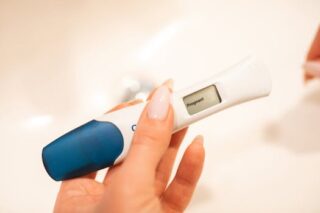
When it comes to determining pregnancy, many women rely on a pregnancy test reader. These devices are integral in offering clear insights, especially for those eager to know their pregnancy status as early as possible. In this article, we’ll explore how these readers work, their accuracy, and crucial aspects you need to be aware of for reliable results.
Understanding How a Pregnancy Test Reader Works
A pregnancy test reader is a tool that detects the presence of the pregnancy hormone hCG (human chorionic gonadotropin) in a woman’s urine. This hormone is typically produced after a fertilized egg attaches to the uterus. The readers work by analyzing the urine sample and displaying a clear positive or negative result, often within minutes.
The technology behind these readers varies. Some use a simple line system where one line indicates a negative and two lines a positive result. Others are digital, providing a “pregnant” or “not pregnant” message. With advanced sensitivity, these tests are designed to detect pregnancy as soon as your period is missed, and sometimes even earlier.
Factors Affecting the Accuracy of Your Pregnancy Test Reader
While pregnancy test readers are generally reliable, several factors can influence their accuracy. Timing is crucial; testing too early when hCG levels are low might result in a false negative. It’s recommended to test in the morning when hCG levels in the urine are most concentrated.
Moreover, the accuracy can be affected by how closely you follow the instructions provided with the test. It’s important to check the expiration date of the test and ensure proper storage conditions. Understanding these nuances will help you use the reader correctly.
Choosing the Right Pregnancy Test Reader for You
With so many options available, selecting the right pregnancy test reader can seem daunting. Factors to consider include the sensitivity of the test, the ease of reading the results, and, of course, the cost. Reading reviews and comparing different brands can provide insights into user experiences and satisfaction.
Furthermore, for individuals focused on overall health, integrating a high-protein diet has shown significant benefits. If weight management is a priority for you, consider learning more about the importance of a high-protein diet for weight loss.
When to Consult a Healthcare Professional
While home pregnancy test readers are convenient, there are occasions when consulting with a healthcare professional is advisable. If the test gives a positive result, confirming it with a healthcare provider is a crucial next step. Similarly, if you experience inconsistent results or have specific health concerns, professional medical advice is recommended.
Regular consultations with your healthcare provider can also support your pre-pregnancy planning and address any nutritional or health-related inquiries you may have.
Supporting Your Health During and After Pregnancy
Maintaining your health during and after pregnancy is vital. Proper nutrition, regular check-ups with your doctor, and a balanced diet contribute to a healthier pregnancy journey. Staying informed and proactive also significantly enhances your overall well-being.
To learn more about achieving optimal health, you may find a variety of resources and guides within the healthcare community beneficial. For comprehensive health information, consider visiting a reliable resource like Wikipedia’s Health Overview.
In conclusion, a pregnancy test reader is a vital tool for early pregnancy detection. Ensuring its proper use and understanding its limitations can provide you with the confidence you need when awaiting important news.
- Choose a pregnancy test reader that meets your needs and offers clear results.
- Timing is key; test after a missed period for best results.
- Consult with a healthcare provider for confirmation and guidance.
- Consider lifestyle changes that support your health journey.
- Reliable health resources can provide additional support.
How soon can a pregnancy test reader detect pregnancy?
Most pregnancy test readers can detect pregnancy as early as the first day of a missed period. Some advanced tests can detect pregnancy a few days before a missed period, depending on the sensitivity of the test.
Can medications affect the results of a pregnancy test reader?
While most medications do not affect pregnancy test results, certain fertility treatments containing hCG may lead to false positives. It’s important to read the instructions and consult with your healthcare provider if uncertain.
How should I interpret a faint line on my pregnancy test reader?
A faint line may still indicate pregnancy as it suggests the presence of hCG. However, it may be useful to retest in a few days or consult your healthcare provider for confirmation.
What should I do if I get different results on multiple tests?
If you receive varying test results, it’s advisable to consult with a healthcare provider. They can offer more accurate testing and advice specific to your situation.
Are digital pregnancy test readers more reliable than line tests?
Both digital and line tests offer reliable results when used correctly. Digital tests provide clearer interpretation with text displays, which might reduce user error, but both types are effective when instructions are followed properly.
Other Articles You May Find of Interest...
- The Science Of Firmer, More Radiant Skin
- How Acupuncture Supports Women’s Health
- Women and Gorgeous Smiles
- The Forgotten Pillar Of Total Wellness
- Menopause at Work: Why Women’s Health Is Becoming a Workplace Issue
- Heavy Menstrual Bleeding: Common Causes, Warning Signs and When to See a Gynecologist
- Low Albumin During Pregnancy: Common Causes and When It Matters





