More Legal and Health Articles
What Evidence Is Needed for a Talcum Powder Lawsuit?
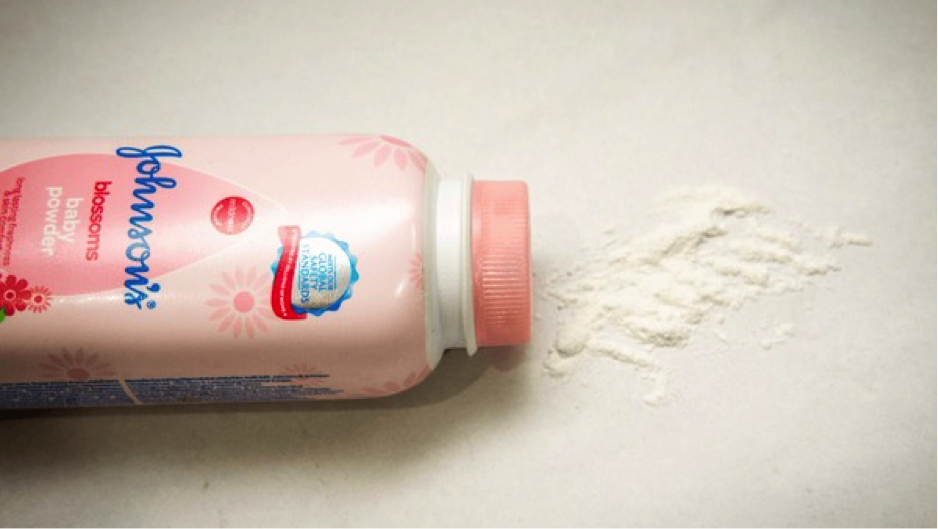
It’s strange how something that sat quietly on a bathroom shelf for decades can suddenly feel like a threat you never saw coming. Talcum powder was one of those everyday products that made life feel softer and simpler for so many families across the United States.
It absorbed moisture, it reduced irritation, and it kept skin dry. It was used on babies, in cosmetics, in feminine hygiene routines, and in all the little moments people barely paid attention to, because why would they? It was harmless, or at least that’s what most of us thought.
For years, it was this dependable thing that mothers, daughters, and even grandmothers used without hesitation. But then the studies started coming, research that showed the debilitating health effects of talcum powder exposure.
What You Need to Prove in a Talcum Powder Lawsuit
The legal system requires proof, a trail that connects your diagnosis to the product.
Here’s what evidence for the talcum lawsuit usually looks like:
A Clear Medical Diagnosis Linked to Talc Exposure
A diagnosis is basically the center of everything in a talc case. It’s the thing the lawyers look at first, and honestly, without it, the whole claim just doesn’t have a basis.
So the records have to show you were diagnosed with a type of cancer that’s been tied to talc use over the years. Usually, it ends up being things like ovarian cancer, or sometimes cancer that starts in the fallopian tubes.
Mesothelioma, too, often comes up because of asbestos hiding in older talc products.
There are a few less common ones people ask about, like cervical or even lung cancer, but those don’t pop up as often.
Most of the time, the medical files do the heavy lifting. They show when everything started — the first symptoms you noticed, when the doctors finally confirmed what it was, and how fast things were moving. You see the story right there on the pages.
The pathology reports also matter. Every once in a while, they’ll actually show talc particles in the tissue, and that can hit hard in a courtroom. Even when they don’t mention talc by name, the patterns in the samples can still point toward cancers that are known to be linked to long-term talc exposure.
Proof of Talcum Powder Use
This part can feel strange for people, because you don’t always think to save receipts or product packaging for something you didn’t know would hurt you. But any documentation that shows you bought or used talc-based products can help, including:
- Photos of products you used
- Old receipts
- Product containers
- Statements from family or friends who knew your routine
- Notes from doctors referencing talc use
Lawyers don’t expect you to have every piece of evidence, but the more you can gather, the stronger your case becomes. Even a long-term pattern of buying the same brand can be enough to demonstrate consistent exposure.
No Genetic Condition Explaining the Cancer
Some lawsuits require showing you don’t have certain genetic mutations like BRCA1 or BRCA2 that predispose you to ovarian cancer. This isn’t always mandatory, but it is common because it helps rule out other causes.
If you’ve had genetic testing done at any point, those records can matter more than you think.
A Timeline that Fits Within the Statute of Limitations
This is one of the areas people overlook, and unfortunately, it’s the one that can block a case even if the evidence is strong. Every state has different deadlines for filing:
- Some states give you only one year.
- Others allow up to six.
- Some allow exceptions if the person has passed away.
- Others consider when you first learned talc caused your cancer.
Lawyers usually handle this part by reviewing the state laws that apply to your situation, but establishing your medical timeline helps them determine what window you’re working with.
Key Takeaways
- You need proof that you really got sick from something that talc can cause, like ovarian cancer or mesothelioma.
- Your medical papers have to show when the sickness started and how it got worse.
- You also need proof that you actually used talcum powder for a long time.
- If you did any genetic tests before, the results can show that the cancer didn’t come from your genes.
- You need a timeline that matches your state’s deadline for filing the case.
- Some states give only one year, some give more, so you have to show when you learned talc might have caused your cancer.
Other Articles You May Find of Interest...
- The Physical and Emotional Recovery Timeline After a Car Accident
- How Are Lost Financial Support and Future Earnings Calculated in a Wrongful Death Case in Buffalo?
- What Michigan’s 12-Plant Home Grow Law Allows—and the Health and Safety Issues to Know
- What Actually Governs A Ketamine Clinic In Arizona
- How a Tucson Medical Malpractice Lawyer Reviews a Potential Claim
- 7 Steps to Protect Important Evidence After an Injury in Santa Monica
- How Are Future Medical Expenses Estimated in a Stockbridge Injury Settlement?