






More Cancer Awareness Articles
Coping with Chemo Rash: Insights and Visual Guides
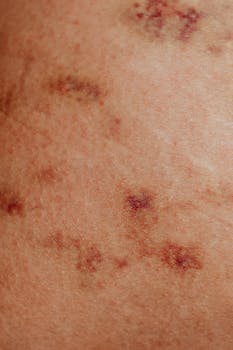
Coping with a chemo rash can be challenging. It’s one of the common side effects experienced by individuals undergoing chemotherapy treatments. Understanding what this is and how to manage it can significantly improve your comfort during treatment. If you are seeking information on what a chemo rash looks like, how it’s treated, and why it occurs, you’re in the right place. We’ll also explore some visuals and pictures of chemo rash to help you identify this condition better.
Understanding Chemo Rash
Chemotherapy is a powerful treatment method used to combat cancer, but it brings several side effects, including skin reactions. The chemo rash is typically a red, acne-like eruption that occurs as a reaction to certain chemotherapy drugs. This rash commonly appears on the face, scalp, neck, chest, and back. For some individuals, the rash may also become itchy, dry, and result in peeling.
Why Does Chemotherapy Cause Rashes?
Chemo rash occurs due to the way chemotherapy medications impact the body. These drugs target rapidly dividing cancer cells, but they also affect healthy cells that divide quickly, such as skin cells. This disruption leads to skin irritations, resulting in rashes. About 40-85% of patients undergoing chemotherapy will experience some form of rash during their treatment.
Visual Identification and Pictures of Chemo Rash
Recognizing a chemo rash is essential for managing symptoms effectively. While descriptions help, pictures of chemo rash offer a visual guide for better understanding. These images showcase the common characteristics of the rash, such as redness and clustering of small bumps, resembling acne. Viewing pictures can help you determine if what you are experiencing aligns with this typical side effect.
Managing a Chemo Rash
Addressing a chemo rash promptly is crucial to preventing further discomfort. Here are a few strategies that might offer relief:
- Hydration: Keep your skin well-moisturized with dermatologist-recommended lotions to prevent dryness.
- Avoid Irritants: Stay away from harsh chemicals, fragrances, and excessive sun exposure that could aggravate your skin.
- Gentle Cleaning: Cleanse the areas gently with mild soap and pat dry without rubbing.
Consulting your healthcare provider is important. They can recommend treatments such as topical antibiotics or corticosteroids to alleviate symptoms. Additionally, you might explore complementary approaches that align with traditional treatments. For further reading on integrated health practices, consider exploring traditional versus holistic medicine options that may support your overall well-being.
Navigating Treatment Options
When dealing with a chemo rash, it’s essential to understand that treatment strategies may vary based on the rash’s severity and the chemotherapy regimen. Always communicate openly with your oncology care team about your symptoms and follow their professional advice.
Can Lifestyle Changes Help?
Lifestyle adjustments can be beneficial in managing a chemo rash. Wearing loose-fitting clothing and opting for breathable fabrics can reduce skin irritation. Moreover, staying hydrated and eating a balanced diet supports overall skin health.
Seeking More Information
Acquiring accurate information about managing side effects like chemo rash can provide reassurance. For those seeking more academic insights and advice, reliable external resources can be valuable. For factual data on skin reactions related to chemotherapy, consider reading this comprehensive health article on Wikipedia.
Chemo rash is a manageable condition with the right techniques and professional guidance. Recognizing its symptoms and seeking timely assistance can enhance your quality of life while undergoing chemotherapy treatments. If you ever feel uncertain about symptoms or require further advice, don’t hesitate to reach out to your healthcare provider. Coping with chemo rash is about finding the right balance between treatment and comfort.
- Chemo rash is a common side effect of chemotherapy due to its impact on rapidly dividing cells.
- It often appears as a red, acne-like rash on the face, neck, and upper body.
- Managing a chemo rash involves keeping the skin moisturized and avoiding irritants.
- Lifestyle changes such as avoiding sun exposure and wearing loose-fitting clothing can help.
- Always consult with healthcare professionals for personalized treatments.
What is a chemo rash?
A chemo rash is a skin reaction characterized by red, acne-like eruptions often caused by certain chemotherapy drugs.
How can I recognize a chemo rash?
Identifying a chemo rash involves looking for red bumps or patches on the skin, primarily occurring on the face, neck, and upper body.
What treatment is available for chemo rash?
Treatments may include topical antibiotics, corticosteroids, and moisturizers. It’s important to consult with your healthcare provider to determine the best approach for your situation.
Are there ways to prevent a chemo rash?
While preventing a chemo rash entirely may not be possible, minimizing its severity through moisturizing, avoiding irritants, and protecting the skin from sun exposure can be beneficial.
Where can I find more detailed information on managing chemo rash?
For more detailed insights, consider consulting healthcare professionals and credible sources, such as online health articles and sanctioned medical guides.
Other Articles You May Find of Interest...
- Breast Reconstruction Options in Texas After a Breast Cancer Diagnosis
- Exploring the Impacts of the Chek2 Gene Mutation on Health
- Navigating the Differences Between Right and Left Bundle Branch Block
- Discovering Meigs Syndrome: Symptoms, Diagnosis, and Treatment Options
- Streamline Your Health Screening with the Cologuard Order Form
- Navigating the ICD 10 Codes for Pulmonary Nodules: What You Need to Know
- What Is the Stage 3 Colon Cancer Survival Rate and Prognosis?



