






More Heart Disease, Stroke and Diabetes Articles
Saving Lives: Automatic vs. Semi-Automatic Defibrillators
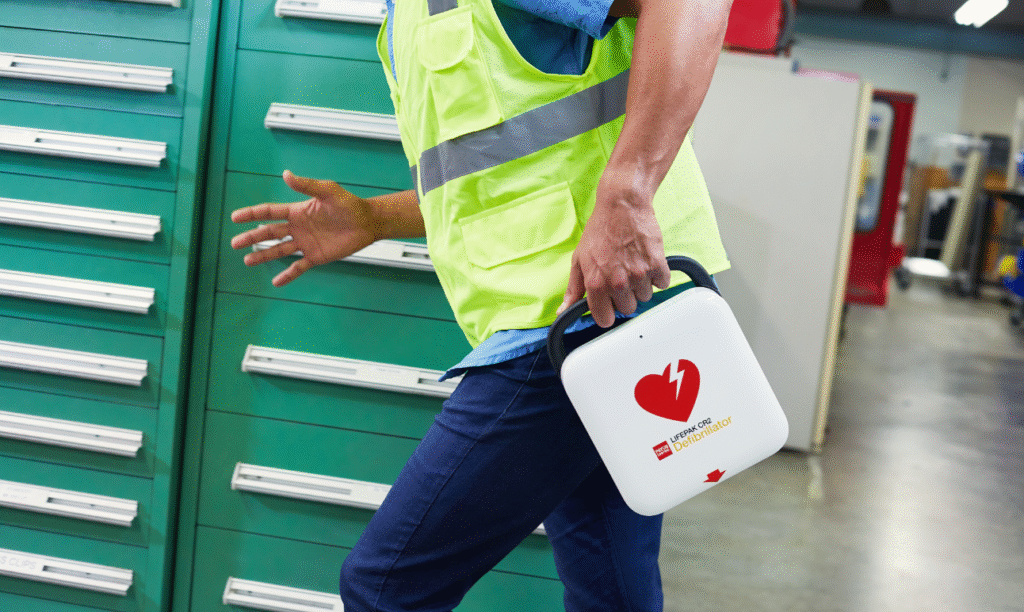
Sudden cardiac arrest can happen anywhere – at work, during exercise, in public places or even at home. That’s why more people and organisations are investing in an external defibrillator. Designed to be used by anyone, even without medical training, these devices can save lives by delivering an electric shock that gets the heart beating again during a cardiac emergency.
What is an External Defibrillator Used for?

An external defibrillator is used to restart the heart when it stops beating properly. During a cardiac arrest, the heart can go into an irregular rhythm and not pump blood around the body. Without quick action, this can be fatal within minutes.
The defibrillator checks the heart rhythm and, if necessary, delivers a controlled electric shock to get the heart beating normally. It works automatically or semi-automatically and gives step-by-step voice instructions so even someone with no medical training can use it. Adhesive pads (electrodes) are placed on the person’s chest, and the device analyses their heart rhythm. If a shock is needed, the AED delivers it instantly through the pads.
Automatic vs. Semi-Automatic Defibrillators
External defibrillators come in different forms, and the two most commonly used outside of hospitals are automatic and semi-automatic devices. Both are designed to help during cardiac arrest, but they work slightly differently and suit different levels of user confidence and training.
Automatic
A fully automated external defibrillator does everything for you. It checks the heart rhythm, determines if a shock is needed and delivers it without you having to press a button or make a decision. Once the pads are in place, you just follow the voice or visual prompts and step back when told to.
This is especially helpful in high-pressure situations where every second counts and panic can set in. Even someone who has never used a defibrillator before can help because the device does the most critical part of the process.
You will often find a fully automated external defibrillator in public spaces, workplaces and environments where the first responder may not have formal training. With clear prompts and automated shock delivery, this device ensures life-saving action happens quickly and effectively.
Semi-Automatic
A semi-automatic external defibrillator also checks the heart rhythm and determines if a shock is needed. But if it detects a dangerous rhythm, it tells you to press a button to deliver the shock. Unlike fully automatic defibrillators, you are in control of when the shock is delivered. The device will guide you through each step with clear voice prompts and often visual cues such as flashing lights and diagrams.
But that moment of control can have a downside. If you freeze, panic or hesitate to press the button, it can delay the shock and may reduce the chances of survival.
What Else to Consider When Buying an External Defibrillator?

To make sure you get the right one for you, there’s more to consider beyond type.
Ease of Use
Look for a device that’s easy to use, with clear instructions and a simple design. In an emergency, simplicity is key. Go for a device with lights, diagrams or step-by-step voice prompts to guide the rescuer.
Battery Life and Pads
Check the battery life and how often it needs to be replaced. Defibrillator pads have an expiration date and may need to be replaced after use or after a few years.
Durability and Portability
Where will the device be used? If outdoors or in a workplace, go for a rugged, shock- and water-resistant AED. Lighter and portable models are easier to grab and go in an emergency.
Maintenance and Self-Checks
Many defibrillators do automatic self-tests to ensure they’re ready to use. Does the device alert you when maintenance is needed, or come with a maintenance plan?
Cost and Warranty
While cost is a factor, focus on reliability and support. Look for devices with a solid warranty and customer service that’s easy to get to if you need help.
Accessories and Extras
Some devices come with extras like carry cases, wall mounts, spare pads or CPR guides. These make it easier to store and use the device.
Our Recommendation: iPAD SP1 Defibrillator
When shopping around for a defibrillator, the iPAD SP1 is definitely worth taking a closer look at. It’s a solid and dependable model that’s suitable for use in almost any setting – be it a workplace, gym, school, public area or even your own home. The design is straightforward and user-friendly, making it perfect for both trained first aiders and regular folk, which means that lifesaving help is just a step away whenever it’s needed.
One of the things that really stands out about this defibrillator is the built-in switch that lets users switch between adult and child settings without having to swap out the electrode pads, which makes everything go more smoothly and safely for the patient. And on top of that, the device gives clear voice instructions and some helpful visual cues too, which really helps even the most stressed-out first aider get through the whole process without a hitch.
The iPAD SP1 is also built to last, with an IP55 rating that means it can handle dusty, damp environments with no problem. It’s perfect for indoor use, but also holds its own in many outdoor situations. The battery will keep going for up to five years in standby mode, and the defib itself has a simple, clean-up design that makes it easy to keep on the go.
Something else that’s really useful about the iPAD SP1 is that it can store useful event data (like ECG readings and the details of any shocks it’s delivered), which can be downloaded for medics to take a closer look at afterwards. That’s a real boon for healthcare professionals and first responders, because it lets them learn from their experiences and make sure they’re better prepared for the next emergency.
Simply said, the iPAD SP1 is the perfect combination of reliability, ease of use and durability – which is why it’s considered a top pick for anyone who wants to be ready for a cardiac emergency, either at home, at work or in a public place.
Other Articles You May Find of Interest...
- Which Specialist Treats High Cholesterol?
- How to Keep Your Heart Healthy: Everyday Habits That Lower Your Risk
- What is Insulin Resistance? Does it Mean Prediabetes?
- Is High LDL-P Dangerous? Particle Count vs. Cholesterol
- Heart Symptoms People Brush Off Until Testing Catches Something
- 5 Ways Cardiac Hypertrophy Affect Heart Function
- How E-Bike Commuting Can Support a Heart-Healthy Routine





