More Allergy, Asthma & Infectious Disease Articles
Navigating Sunlight Skin Rash and Sun Hypersensitivity for Healthier Skin
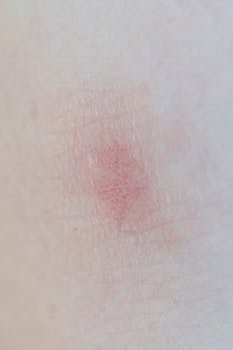
Experiencing a sunlight skin rash can be both uncomfortable and concerning. For those affected, understanding the underlying causes and exploring preventative measures are essential steps to healthier skin. Direct sun exposure is a common trigger for this condition, often manifesting as redness, itching, or blisters. This reaction is typically linked to sun hypersensitivity, a condition where the skin reacts more severely to sunlight than normal.
Understanding Sunlight Skin Rash
Sunlight skin rash, also known as photosensitivity, is a reaction that occurs when the skin is exposed to sunlight. This condition can affect anyone but is more common in individuals with fair skin or existing skin conditions. The rash can vary from mild redness to more severe blistering and pigmentation changes. While it might be harmless, it could be a sign of underlying health issues requiring medical attention.
Causes of Sun Hypersensitivity
Several factors contribute to hypersensitivity to the sun. Some medications, including certain antibiotics, anti-inflammatory drugs, and chemotherapy agents, make the skin more sensitive. Additionally, some health conditions like lupus or genetic disorders can increase vulnerability to UV rays. Understanding these factors is crucial for managing the rash effectively.
Preventing Sunlight-Induced Skin Rashes
Prevention is key to managing sunlight skin rash. Applying broad-spectrum sunscreen with a high SPF, wearing protective clothing, and avoiding sun exposure during peak hours are effective strategies. For people with increased sensitivity, consulting a healthcare provider for tailored advice is recommended. It’s essential to incorporate these preventative measures into daily routines.
Treating Sunlight Skin Rash
When it comes to treating sun-related rashes, over-the-counter creams and lotions may provide relief from mild symptoms. However, if the rash is severe or persistent, consulting a dermatologist is advisable. They may recommend prescription medications or specialized treatments tailored to your skin’s needs.
For more detailed health articles, feel free to explore resources like our guide on understanding different stages of health recovery.
Diet and Lifestyle Adjustments
Certain dietary choices may support skin resilience against UV damage. Antioxidant-rich foods, including fruits like berries and vegetables like spinach, are thought to support skin health. While they aren’t a cure, they’re beneficial as part of a balanced diet, potentially aiding in reducing rash severity.
When to Seek Medical Help
If sunlight skin rash becomes recurrent or is accompanied by other symptoms like fatigue or fever, it may indicate an underlying condition requiring professional evaluation. Visiting a dermatologist or physician can provide a proper diagnosis and effective treatment plan.
External resources, such as the Wikipedia page on sun sensitivity, offer credible information for a deeper understanding of this condition.
Pursuing Healthy Skin
Adopting sun-safe practices and being mindful of skin changes are proactive steps toward healthier skin. Remember, while sunlight skin rash might seem minor, its persistent or severe occurrences should not be ignored. With the right precautions and knowledge, you can enjoy the sun safely and keep your skin vibrant.
- Sunlight skin rash is a common condition linked to sun hypersensitivity.
- Prevention includes sunscreen application and protective clothing.
- Consult healthcare professionals for persistent rash issues.
- Consider dietary adjustments to support skin health.
- Stay informed by accessing trusted health resources online.
FAQ
What are the symptoms of a sunlight skin rash?
Symptoms typically include redness, itching, blisters, or hives on sun-exposed areas of the skin.
How can I prevent a sunlight skin rash?
Prevention involves using high SPF sunscreen, wearing protective clothing, and avoiding peak sunlight hours.
Are there home remedies for a sunlight skin rash?
Over-the-counter hydrocortisone cream and cool baths may alleviate symptoms temporarily. However, consulting a healthcare provider is recommended for persistent cases.
Can certain foods help with sun hypersensitivity?
A diet rich in antioxidants may support skin health and resilience. Foods like berries and leafy greens are beneficial.
When should I see a doctor for a sunlight skin rash?
If the rash is severe, persistent, or accompanied by other concerning symptoms, it’s important to seek medical advice.
Other Articles You May Find of Interest...
- How to Keep Pollen Out of Your Home: Choosing an Air Purifier for Pollen
- When Should Your Child See a Pediatric Allergist? A Three-Trigger Test
- Candida sp. rRNA Results: What Molecular Testing Detects
- Ant Bites or Poison Ivy? How the Rashes Differ
- Can Stress Cause Cold Sores on the Lips?
- Gram-Positive Rods in a Blood Culture: Contamination or Infection?
- Can Head Lice Get Into Your Ears?