






More Chronic Illness Articles
Does Barron Trump Have Marfan Syndrome and What Does It Mean for His Height?

Barron Trump, the son of President Donald Trump, has been the subject of much public speculation regarding his striking height. At a young age, he has already surpassed both of his parents in stature, leading some to wonder whether his growth could be related to a medical condition, such as Marfan syndrome. The term “barron trump marfan height disease” often comes up in these discussions. But what exactly is Marfan syndrome, and how could it relate to a person’s height and overall health?
Barron Trump Marfan Height Disease: What is Marfan Syndrome?
Marfan syndrome is a genetic disorder that affects the body’s connective tissues, which provide strength and flexibility to the skin, bones, blood vessels, and other organs. This condition can influence a person’s skeletal structure, often resulting in an unusually tall stature, long limbs, and slender fingers. While height can be a natural trait, in some cases, like Marfan syndrome, it might indicate an underlying health issue. These proportions are sometimes described as marfanoid habitus, but that appearance can occur without Marfan syndrome.
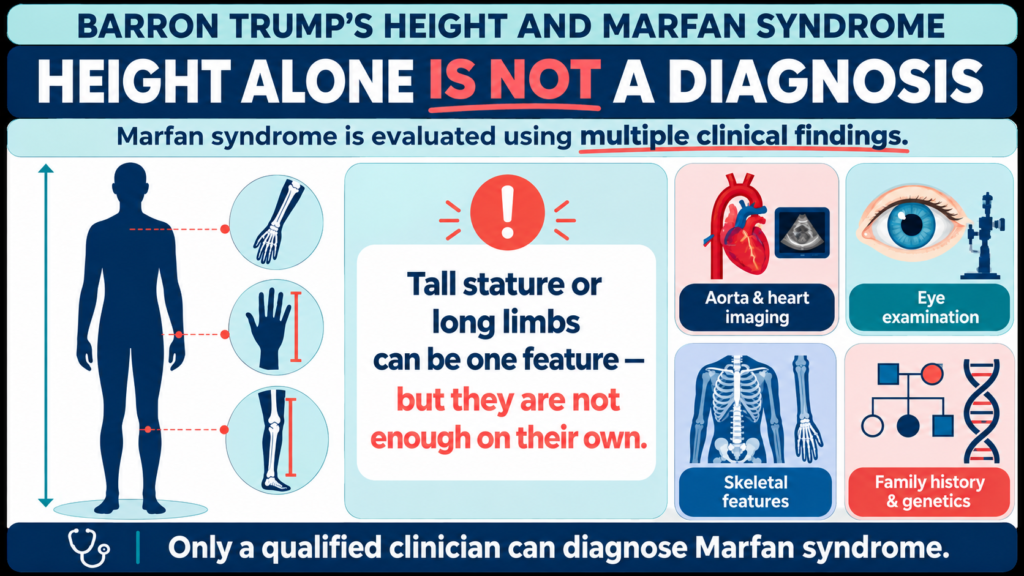
Though Barron Trump’s height has drawn public attention, it’s essential to understand that height alone does not confirm Marfan syndrome. As of now, no credible sources have confirmed that Barron Trump has a genetic condition like Marfan syndrome.
Diagnosis and Symptoms of Marfan Syndrome
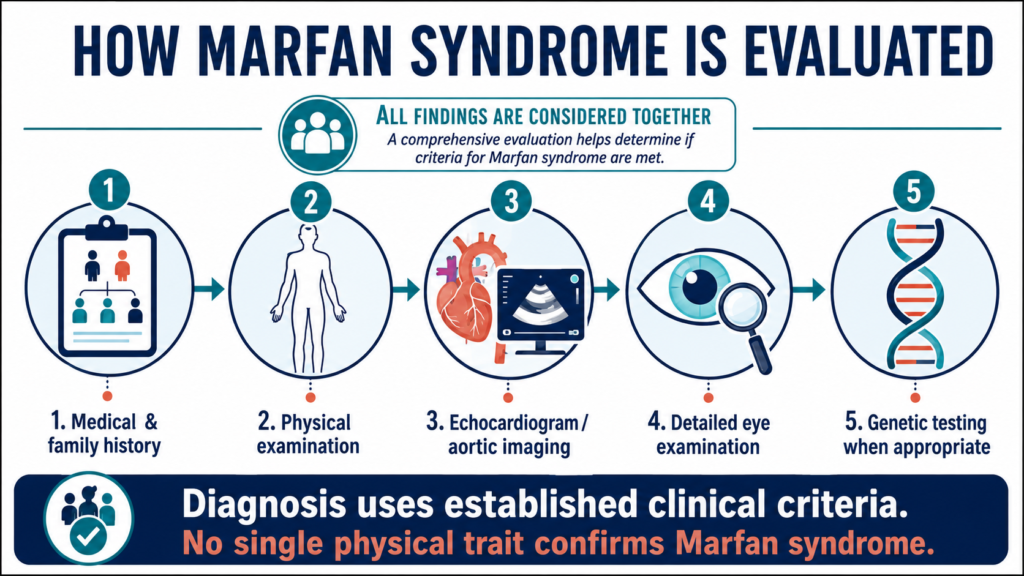
Diagnosing Marfan syndrome involves a thorough evaluation that may include medical history, genetic testing, and physical examinations. Key symptoms beyond height that doctors look for include:
- Long arms, legs, and fingers.
- A curved spine, also known as scoliosis.
- Flat feet or other foot anomalies.
- Eye problems, such as severe myopia or lens dislocation.
- Aorta enlargement, which can increase the risk of heart complications.
Because Marfan syndrome can affect the aorta, clinicians may monitor for complications such as an aortic root aneurysm. Each case is unique, and symptoms can vary significantly among individuals. It is always advisable for anyone who may suspect they or a loved one have Marfan syndrome to seek professional medical advice for a comprehensive diagnosis.
How Marfan Syndrome Could Impact Height
Some people with Marfan syndrome are tall and thin and have arms, legs, fingers, or toes that are long in proportion to the rest of the body. However, these skeletal features vary considerably and are not diagnostic by themselves. While Barron Trump’s tall stature has brought the spotlight to discussions around “barron trump disease height,” it’s essential to recognize that height alone is not a diagnosis.
The Marfan Foundation’s diagnostic criteria explain how aortic findings, eye findings, systemic features, family history, and genetic testing may be combined when evaluating Marfan syndrome.
Genetic Factors and Family History
The likelihood of developing Marfan syndrome increases with a family history of the condition. It is a hereditary disorder, usually passed down from a parent with the syndrome. When considering whether “does barron trump have marfans,” it’s worth noting that without any public family history reported, such speculation remains unfounded.
While height is a common feature shared by many, diagnosing a condition like Marfan syndrome would involve much more than observable traits. Genetic counseling may be beneficial for families with a history of this condition.
Lifestyle and Overall Health
For those without a genetic predisposition to conditions like Marfan syndrome, healthy lifestyle choices play a vital role in maintaining optimal health. Regular exercise, balanced nutrition, and routine medical check-ups are imperative. You can learn more about lifestyle choices and their impact on health by reading our guide on how lifestyle choices impact overall health.
Even in individuals with genetic conditions, adopting a healthy lifestyle can greatly benefit their quality of life. It allows for better management of the disorder’s symptoms and promotes overall well-being.
The Future of Barron Trump and His Health
As Barron Trump continues to grow, interest in his height and potential health conditions may persist. However, it’s important to approach such subjects with care and respect for privacy. If there are health concerns, it is up to him and his family to seek the appropriate medical guidance and support.
The primary keyphrase, “barron trump marfan height disease,” underscores public curiosity but also exemplifies the responsibility involved in discussions of health-related topics. Speculating without confirmed information could lead to misconceptions and undue stress.
- Marfan syndrome is a genetic disorder affecting connective tissues.
- Key symptoms of Marfan syndrome include tall stature, long limbs, and potential heart issues.
- Height alone does not diagnose Marfan syndrome.
- Family history increases the likelihood of Marfan syndrome.
- Consult with healthcare professionals for personalized advice and diagnosis.
What is Marfan syndrome?
Marfan syndrome is a genetic disorder that affects connective tissues and can result in tall stature, among other symptoms. It is a hereditary condition requiring medical management.
How is Marfan syndrome diagnosed?
Diagnosis involves a comprehensive evaluation, including medical history, physical exams, and potentially genetic testing. It is typically identified by a specialist.
Can height indicate Marfan syndrome?
While individuals with Marfan syndrome are often tall, height alone cannot confirm the condition. A full medical assessment is necessary for diagnosis.
Is Barron Trump confirmed to have Marfan syndrome?
There is no verified information confirming that Barron Trump has Marfan syndrome or any other specific height-related condition.
How can people manage Marfan syndrome?
Management typically involves regular medical monitoring, lifestyle adjustments, and potentially medications or surgery to address specific symptoms.
Other Articles You May Find of Interest...
- Why Dialysis Access Care Is an Important Part of Kidney Treatment
- ITP vs. TTP: Two Platelet Disorders, Opposite Urgency
- The Beighton Score: Measuring How Flexible Is Too Flexible
- Treating IgG4-Related Disease Before It Scars
- An Autoimmune Symptom Checklist to Bring to Your Doctor
- Digital Tools Helping Chronic Disease Patients Stay on Track Between Visits
- NuvaRing and Its Potential Male Side Effects: What You Need to Know




