






More Woundcare Articles
The Healing Process: What to Know About Wound Scabbing
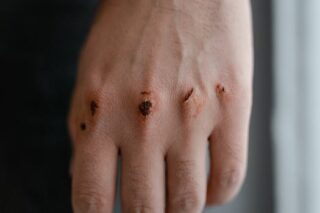
It’s a common situation: you accidentally scrape your knee, and in a few days, a scab forms over the wound. Many people see scabs as a nuisance and might be tempted to pick at them. However, understanding the role of wound scabbing can help you appreciate its importance in the healing process.
The Role and Importance of Wound Scabbing
The formation of a scab is your body’s natural response to injury. When your skin is broken, your body works quickly to repair the damage. Blood clots form to stop the bleeding, creating a protective barrier against infection. This barrier is what we commonly refer to as a scab.
Scabs are crucial for protecting the wound underneath from bacteria and debris. Underneath the scab, your body is hard at work, generating new skin cells and repairing blood vessels. Although scabs may be itchy or unsightly, picking at them can reopen the wound or increase the risk of infection, prolonging the healing process.
Day-to-Day Impacts of Scabbing
Daily life can sometimes make dealing with a scab challenging. Activities such as showering can soften a scab and increase the risk of it coming off too early. Wearing certain clothing might irritate the area and cause discomfort.
To manage these challenges, keep the wound moisturized with an appropriate ointment and covered with a bandage if needed. This not only supports the healing process but also protects the area from external irritants.
When to Seek Care
While most wounds will heal naturally with scabbing, there are times when seeking medical care is necessary. If you notice signs of infection, such as increased redness, warmth, swelling, or if the wound continues to bleed, it’s time to consult with a healthcare provider. Similarly, large wounds or those that do not heal properly should be examined by a clinician, such as a dermatologist or a primary care doctor.
In some cases, a wound may require more advanced care, including suturing or cleaning by a healthcare professional, to ensure proper healing.
Questions About Scab Removal and Medication
For some people, questions arise about whether certain ointments or prescription medications should be used to aid healing. It’s important to discuss with your doctor whether these treatments are suitable for you. Some treatments require stopping one medication before starting another to prevent adverse effects.
Using antibiotics or antiseptic ointments can be beneficial in some scenarios, but misuse can lead to antibiotic resistance or allergic reactions. Always follow your healthcare provider’s guidance for the use of any topical treatment.
Healing Tips and Myths
Myths about wound healing are plentiful. Some believe that keeping a wound dry will heal it faster, whereas studies suggest keeping wounds moist can speed up the process. Others think applying products like vinegar or garlic directly to a wound can help; in reality, these may irritate the skin further or cause allergic reactions.
Allow scabs to fall off naturally as the skin beneath heals. If you have concerns about how to best manage a wound or scab, reaching out to a healthcare professional can ensure you receive the correct advice.
Additional Resources
If you’re looking for more personalized advice on wound care and other health decisions, consider reading about how to make informed decisions about your health.
Further, for comprehensive information on the healing process, you can check out resources like MedlinePlus.
- Scabs form as a natural part of the healing process.
- Avoid picking scabs to lower the risk of infection.
- Moist, clean environments can help wounds heal faster.
- Consult a healthcare provider if the wound shows signs of infection.
Common Questions
How can I tell if a wound is infected?
Look for signs such as redness, swelling, increased pain, warmth, or pus. If any of these occur, consult a healthcare provider promptly.
Should I keep a wound covered or let it breathe?
While old advice often suggested letting wounds breathe, current understanding is that covering a wound and keeping it slightly moist can promote faster healing and prevent infection.
Can certain foods or supplements help with healing?
Some research suggests that nutrients like vitamin C and zinc might support wound healing. However, these aren’t cures, and a balanced diet is the best approach.
What type of doctor should I see for non-healing wounds?
A dermatologist or a primary care physician can evaluate wounds that are slow to heal and recommend appropriate treatments or refer to a specialist if necessary.
Is it normal for old scars to change color?
Yes, scars can change color over time as they mature, but sudden changes might require a dermatologist’s evaluation to rule out complications.
Other Articles You May Find of Interest...
- Why Some Wounds Won’t Heal and Where Hyperbaric Oxygen Therapy Fits In
- Why Home-Based Wound Care Can Improve Comfort and Quality of Life for Patients
- How Long Can Stitches Stay In After Surgery?
- BIASURGE® Advanced Surgical Solution: Uses and Key Considerations
- Antibiotic Ointment on New Piercings: Help or Harm?
- Other Names for Pus, and What Its Color Tells You
- Blue-Green Wound Drainage: A Sign to Act On





