






More Women's Health & Beauty Articles
Managing Postpartum Swelling: Tips for a Comfortable Recovery
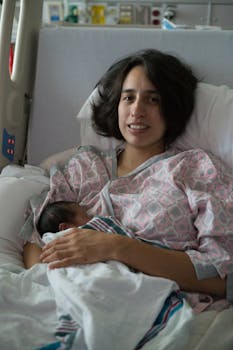
After childbirth, many mothers are surprised by an expected side effect: postpartum swelling. This swelling, often seen in the feet, hands, and face, can be uncomfortable and even worrying for some. It typically results from the body’s way of shedding excess fluid accumulated during pregnancy. While it usually subsides on its own, there are ways to manage it and make recovery more comfortable.
Practical Tips for Reducing Swelling
Staying active can be one of the most effective ways to help reduce postpartum swelling. Light activities like walking encourage circulation, which helps expel fluid from the tissues.
Keep your body hydrated by drinking plenty of water. Paradoxically, staying hydrated helps your body flush out retained fluids. Avoid caffeinated beverages as they may dehydrate the body further.
Elevate and Rest
Whenever possible, elevate your legs while sitting or lying down. This can help gravity assist in reducing swelling in your lower extremities. Also, ensure you rest adequately, as your body undergoes significant recovery after childbirth.
Comfortable Clothing
Opt for loose-fitting clothes and shoes that do not constrict blood flow. Avoid tight socks or stockings that might worsen the swelling.
Postpartum Swelling and What to Expect
It’s common to experience swelling that can last for a week or more postpartum. Everyone’s body is different, so individual experiences vary. Stay mindful of how the swelling progresses, and consider other lifestyle choices that might impact your recovery. For more guidance on healthy lifestyle impacts, you can read this article on Your Health Magazine.
When to Seek Care
While postpartum swelling is normal, certain signs warrant medical attention. If swelling persists beyond a couple of weeks, worsens significantly, or is accompanied by severe pain or headaches, consult with a healthcare provider. A family physician or OB/GYN can offer guidance and treatment options, ensuring that the symptoms are not indicative of other conditions, such as postpartum preeclampsia.
Affect on Everyday Activities
Swelling can impact daily activities by making walking uncomfortable or causing rings to fit too tightly. It can be distressing, but knowing it’s often temporary helps. Focus on feasible adjustments to stay comfortable.
Understanding the Role of Diet in Recovery
Eating a balanced and nutritious diet can support recovery. Foods rich in potassium, like bananas, help regulate sodium levels, which may worsen swelling. Reducing salt intake is also beneficial.
For more information on the body’s handling of fluids and related health conditions, you can visit MedlinePlus.
Prescription Medications and Swelling
There’s often a curiosity about whether medications might influence postpartum swelling. Typically, medications prescribed for postpartum recovery do not exacerbate swelling. However, if on blood pressure medications, discuss concerns with your healthcare provider. They can adjust prescriptions based on individual reactions and the body’s healing process.
Common Questions
What causes postpartum swelling?
Postpartum swelling is primarily caused by the body’s retention of extra fluids needed during pregnancy. Hormonal changes and increased blood volume also contribute to this effect.
How long does postpartum swelling last?
While it varies per individual, swelling often subsides within a week or two postpartum, as your body gradually eliminates the excess fluids.
When should I worry about my swelling?
If you experience severe or sudden swelling, especially in your face or hands, contact a healthcare provider. This could indicate postpartum complications needing further evaluation.
Who should I see for postpartum swelling issues?
Your OB/GYN or family doctor is equipped to handle concerns related to postpartum recovery, including swelling. They can help rule out other conditions and offer treatment advice.
What lifestyle changes help with swelling?
Engaging in gentle physical activity, staying hydrated, and consuming a low-sodium diet can significantly assist in managing and reducing postpartum swelling.
- Walking and light exercise can speed up recovery.
- Drinking water helps flush out excess fluids.
- Elevating legs aids in reducing lower-body swelling.
- Monitor for any exceptional changes or discomfort.
- Consult a doctor for persisting or severe symptoms.
In summary, postpartum swelling is a common part of recovery that many women face after childbirth. By understanding why it happens and how to effectively manage it, the swelling can be more manageable, allowing you to focus on the joys of new motherhood. If postpartum swelling continues to linger or causes concern, remember that healthcare providers are there to support your recovery journey.
Other Articles You May Find of Interest...
- The Science Of Firmer, More Radiant Skin
- How Acupuncture Supports Women’s Health
- Women and Gorgeous Smiles
- The Forgotten Pillar Of Total Wellness
- Menopause at Work: Why Women’s Health Is Becoming a Workplace Issue
- Heavy Menstrual Bleeding: Common Causes, Warning Signs and When to See a Gynecologist
- Low Albumin During Pregnancy: Common Causes and When It Matters





