More Practice Management Articles
How Clinic Layout Shapes Patient Comfort And Care
Picture a first-time patient arriving at your clinic. They miss the entrance, sit in a loud waiting room, and then hear the next consult through the wall.
Stress rises before the appointment even starts. That first impression affects trust, privacy, and how much a patient is willing to share.
You do not need a full rebuild to fix that. Small changes to layout, acoustics, lighting, and hygiene points can lower anxiety, protect privacy, support infection control, and help the day run faster.
Key Takeaways
A few targeted upgrades can make patients feel calmer and help your team deliver safer, smoother care.
- Clear arrival paths reduce stress fast. Better parking, entry cues, and wayfinding help patients who are anxious, neurodivergent, or have low health literacy.
- Speech privacy matters in every consultation room. When patients think they can be overheard, they hold back important details.
- Visible alcohol-based hand rub, or ABHR, improves compliance. Hand Hygiene Australia found use reached 54% when dispensers were in sight at room entry, compared with 11.5% when they were not.
- Nature-based cues reduce stress. A 2024 systematic review linked biophilic, or nature-based, features in healthcare spaces with lower pain, shorter stays, and less staff stress.
- Telehealth needs the same privacy standards as face-to-face care. A quiet, well-lit room protects both access and confidentiality.
- Simple metrics prove whether changes work. Track wait times, room turnover, ABHR use, and short patient feedback.
What Patient-Centred Spaces Really Mean
Good healthcare spaces link every physical choice to a clear outcome for patients or staff.
A Plain-English Definition
Evidence-based design means choosing layout, finishes, lighting, and acoustics because research shows they improve safety, comfort, or efficiency. AHRQ points to noise control, accessible work areas, and private rooms as features that support better outcomes.
In Australia, those choices also sit inside a clear ruleset. NSQHS Standard 1, AusHFG Parts C and D, RACGP standards, the NCC and Premises Standards, AS 1428.1 for access, and AS/NZS 2107 for acoustics all shape what a compliant clinic should provide.
Core Priorities
Most community clinics get the biggest return from four areas. Focus first on arrival and wayfinding, waiting area comfort, consult room privacy, and infection-control fixtures.
When those four areas work well, complaints about noise, confusion, and delays usually fall. Staff also spend less time giving directions, moving equipment, and solving avoidable problems.
Where Good Layout Delivers The Biggest Gains
The best improvements reduce patient stress while also making daily operations easier.
Calmer Patients And Better Conversations
Natural light still matters. Ulrich’s 1984 study found patients with window views had better postoperative outcomes, and the same principle applies in primary care.
Borrow daylight into internal rooms where possible, use calm colours, and avoid harsh glare. A small low-sensory nook with dimmable lights can help anxious patients and children settle before they are called.
Faster Flow And Shorter Waits
In 2023-24, 28% of Australians said they waited longer than they felt was acceptable for a GP appointment. Right-sized reception desks, self-check-in, and work points near exam rooms reduce extra walking and speed room turnover. Measure door-to-doctor time and the share of patients seated for more than 20 minutes to see if changes are working.
Safer Care With Visible Hygiene
AusHFG Part D calls for one handwash basin per enclosed treatment room and ABHR at the point of care. Place dispensers where hands naturally go, keep clean and dirty tasks separate, and use sealed, cleanable finishes in higher-risk rooms.
Room-By-Room Playbook For Comfort And Compliance
Each room has a few high-value changes that improve both comfort and compliance.
Approach, Parking, And Entry
The first five minutes shape the whole visit. Provide a clear accessible path, kerb ramps, a sheltered drop-off, and easy-to-read entry signs that match AS 1428.1:2021 and the Premises Standards.
Welcome Zone And Reception
Reception should feel easy to approach, not crowded or exposed. Include a lower counter section for wheelchair users, allow a 1500 mm turning circle, and use sound-absorbing finishes so payment and Medicare conversations do not carry across the room.
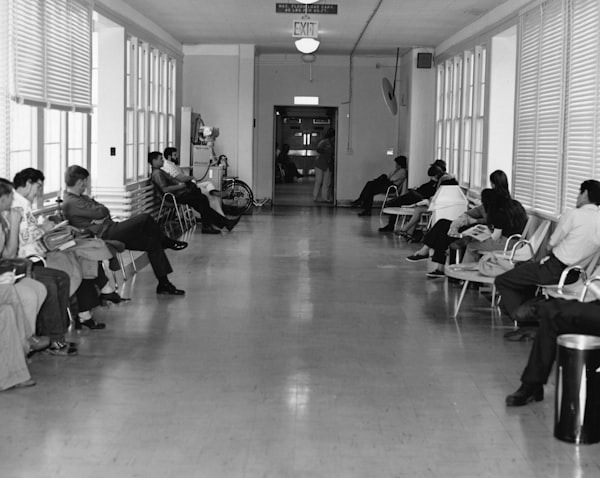
Waiting Areas That Lower Stress
The waiting room does not need to be fancy. It needs to feel predictable, clean, and easy to read.
- Break seating into quiet, family, and overflow zones.
- Add one low-sensory nook with softer light and calmer colours.
- Show simple wait updates and clear next steps.
- Use hard, cleanable flooring with walk-off mats at entries.
Track noise complaints and one simple rating on perceived wait time. Those two measures usually reveal problems quickly.
Wayfinding That Works
NSW Health’s 2022 wayfinding guide supports a user-centred approach instead of relying on signs alone. Use plain language, consistent icons, and layered cues such as colour bands, a simple map at entry, and confirmation at each door. If people still get lost, fix the path before you add more signs.
Consult Rooms For Privacy And Flow
These rooms carry the highest trust burden. Seat the patient with a view of the door, keep screens from blocking eye contact, and place supplies within easy reach so the visit feels calm rather than rushed.
For speech privacy, start with door seals and ceiling tiles with a high Noise Reduction Coefficient, or NRC. WA Health engineering guidance points to AS/NZS 2107 for design sound levels, and that makes this an affordable place to improve trust. Light faces at 300 to 500 lux so both in-person care and telehealth calls read clearly.
Treatment Areas And Reprocessing
Make the clean path and the dirty path obvious. Use coved vinyl with sealed junctions, keep sharps and PPE at point of use, add hands-free taps, and separate clean storage from waste and reprocessing steps wherever possible.
Telehealth-Ready Rooms
A telehealth room should be private, quiet, and simple to use. Set the camera at eye height, use soft front lighting, reduce HVAC noise, and give the background a clean, neutral look that meets RACGP expectations for video consultations.
Staff Work Zones
Staff comfort affects patient care more than most owners expect. Place touchdown work points near consult rooms and protect a true break area so clinicians can reset between busy sessions.
Infection Control That Starts With The Fitout
Daily infection control works best when the room supports the behaviour you want.

Point-Of-Care Hygiene
Put ABHR within arm’s reach of the patient zone and keep it visible at room entry. Avoid placing dispensers right beside sinks, because that can confuse the hand hygiene step. In enclosed treatment spaces, AusHFG Part D sets the baseline of one handwash basin per room.
Materials That Clean Easily
Choose finishes that survive real cleaning, not just showroom cleaning. Coved resilient flooring, solid-surface benchtops, tight edge details, and healthcare-grade upholstery are practical choices. Always test your cleaning products on samples before you approve the final specification.
Plan, Budget, And Build With Less Disruption
You can improve the space in stages without shutting the clinic for months.
Phased Roadmap
Most clinics can group upgrades into three practical phases.
- Weekend Micro-Wins: paint refresh, signage updates, and fast acoustic fixes such as door seals.
- 4-8 Week Refresh: waiting room rezoning, consult room acoustic upgrades, and basin relocations.
- 12-20 Week Refurbishment: reception rebuilds, reprocessing segregation, and a new quiet room.
Use swing spaces and staged closures so clinical work can continue during the build.
Cost-Smart Priorities
Start with wayfinding and consult room acoustics. Then fix treatment flooring and hygiene fixtures. After that, improve waiting area comfort and staff recharge space. Keep a small budget aside for commissioning and post-occupancy adjustments, because real use always reveals a few issues on day one.
Compliance Checkpoint
| Room Or Element | Key Standard |
|---|---|
| Entry And Access Path | NCC/Premises Standards, AS 1428.1:2021 |
| Consult Room Acoustics | AS/NZS 2107:2016 |
| Hand Hygiene Fixtures | AusHFG Part D, NHMRC IPC |
| Safe Environment And Wayfinding | NSQHS Standard 1 |
| Telehealth Rooms | RACGP Video Consultation Standards |
If your team cannot map these standards to room drawings, bring in a specialist early. That matters when design, compliance, staging, and commissioning decisions need to line up before builders start on site, because small documentation gaps can become delays, variation costs, and avoidable disruption later. If you want a turnkey partner, SOULMED offers medical centre fitouts that can help Australian clinics open sooner with fewer rework costs.
Measure Results In The First 30 Days
Changes only matter when you can show they improved the patient experience or the daily workflow.
Set The Baseline
Start with a small scorecard your team can maintain without extra admin.
- Average door-to-doctor time and the 90th percentile.
- Percentage of patients waiting more than 20 minutes.
- Two-card feedback questions: “Found it easily?” and “Felt calm enough to speak up?”
- ABHR dispenser use counts.
- A simple acoustic spot check with a phone app.
Check Again After The Changes
Review the same measures at 30 and 60 days. Track complaints about noise and wayfinding, watch no-shows and room turnover, and share results in team huddles. The GBCA case study of Queensland’s STARS hospital showed energy use 33.1% below industry average and water use down 71.3%, which is a useful reminder that better buildings can produce measurable operational gains.
FAQs
These are the questions owners usually ask before they commit to changes.
How Long Does A Modest Clinic Refresh Usually Take?
Weekend jobs such as paint, signage, and door seals can be done in days. A mid-range refresh that covers waiting room rezoning, consult room acoustic fixes, and basin relocations usually takes 4 to 8 weeks. A larger refurbishment with reception works and reprocessing changes often runs 12 to 20 weeks, depending on staging and swing space.
Which Australian Rules Apply To A Typical GP Refurb?
The main set includes NSQHS Standard 1 for the care environment, AusHFG Parts C and D for room and hygiene requirements, the NCC and Premises Standards with AS 1428.1:2021 for access, AS/NZS 2107:2016 for acoustics, RACGP guidance for video consults, and NHMRC infection prevention guidance. Your builder and designer should map each room to the right document before work starts.
How Do We Prepare For Future Outbreaks Without Overbuilding?
Focus on flexible basics that work every day. Use clean finishes, place ABHR at each room entry, keep one waiting zone easy to separate, and make clean and dirty paths obvious in treatment spaces. These steps support routine care now and scale up quickly if risk changes.
What Is The Simplest Way To Check Speech Privacy In Consult Rooms?
Ask a colleague to speak at a normal level inside the room while you stand in the corridor with the door closed. If you can make out words, privacy is not good enough. A phone app gives a rough baseline, but an acoustic consultant can test the room properly and recommend fixes such as door seals, ceiling tiles, or sound masking.
Conclusion
The best upgrades are the ones patients feel straight away and your team can measure within weeks.
Start with arrival, waiting, privacy, and hygiene. Match each change to the right Australian standard, phase the work to protect operations, and track a short scorecard from day one. That approach gives you a calmer space, safer care, and proof that the investment was worth it.
Other Articles You May Find of Interest...
- Pre-Employment Testing Tools for Healthcare Hiring: What to Consider
- How Custom EHR Systems Are Reducing Physician Burnout
- A Beginner’s Guide to Revenue Cycle Management for Oral Surgery Practices
- Adding Branded Body Care to Your Practice: Aerosol Foam or Pump Foamer?
- How Concierge Billing Management Simplifies Practice Operations
- Branded Merchandise for Healthcare Practices: Corporate Mugs and How to Find a Promotional Products Distributor
- Adding Reformer Pilates to a Physical Therapy or Chiropractic Practice