






More Podiatry Foot Care Articles
Quick Relief: Effective Strategies to Cure Plantar Fasciitis in Just One Week
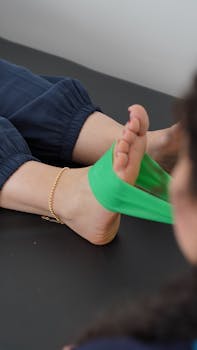
If you’ve ever experienced a sharp pain at the bottom of your foot, you might be familiar with plantar fasciitis. This common ailment can make each step feel like a struggle, leaving you eager to discover how to cure plantar fasciitis in one week. While entirely curing it in just seven days may not be feasible for everyone, there are effective strategies to significantly alleviate symptoms and set yourself on the path to recovery.
How to Cure Plantar Fasciitis in One Week
Plantar fasciitis occurs when the band of tissue running across the bottom of your foot becomes inflamed. Quick relief can often be found through a combination of stretching exercises, resting the foot, and using supportive footwear. For some, ice therapy and over-the-counter anti-inflammatory medications may also help reduce pain and swelling.
Stretching Exercises to Relieve Pain
Gentle stretching exercises can improve flexibility and reduce tension in your foot. Start with calf stretches against a wall and towel stretches where you sit with your leg extended, pulling the towel towards you to flex your foot. Repeat these exercises several times a day for best results.
Rest is Essential
Giving your feet a break from high-impact activities like jogging or prolonged standing can prevent further irritation to the plantar fascia. Opt for low-impact activities like swimming or cycling during this recovery period.
Footwear and Orthotics
Wearing shoes with good arch support can make a world of difference. Consider investing in orthotics or insoles designed for plantar fasciitis, which may help distribute pressure more evenly across your feet.
Medication: Over-the-Counter Options
Non-steroidal anti-inflammatory drugs (NSAIDs) like ibuprofen or naproxen may provide temporary relief from pain and swelling. However, it’s important not to rely solely on these medications without incorporating lifestyle changes as well. Discuss with your healthcare provider to ensure these are suitable for you.
Ice Therapy
Applying ice packs to the affected area for 15-20 minutes a few times a day can help reduce inflammation. Remember to wrap the ice pack in a towel to avoid direct contact with the skin.
When to Seek Care
If your symptoms persist despite self-care measures, it’s time to consult a healthcare provider, such as a podiatrist or orthopedic specialist. Persistent foot pain may require professional treatment, including physical therapy or corticosteroid injections.
Impact on Daily Life
Plantar fasciitis can affect your daily activities, limiting your ability to walk, exercise, or perform routine tasks without discomfort. Early intervention can help maintain your quality of life and prevent the condition from worsening.
Plantar fasciitis is influenced by lifestyle factors such as weight, exercise habits, and footwear choices. For more information on how lifestyle choices impact health, visit this article.
Common Questions
What causes plantar fasciitis?
Plantar fasciitis is commonly caused by repetitive stress on the foot’s arch, inadequate shoes, or high-impact activities. Risk factors include obesity, flat feet, and occupations requiring prolonged standing.
How can I prevent plantar fasciitis?
Preventive measures include maintaining a healthy weight, wearing supportive footwear, and engaging in regular stretching exercises. These can help reduce the strain on your feet and minimize the risk of developing plantar fasciitis.
When should I see a doctor?
If at-home remedies do not alleviate your pain within a few weeks, or if the pain is severe or worsening, it’s advisable to consult a doctor.
What type of doctor treats plantar fasciitis?
Podiatrists, physical therapists, or orthopedic specialists are typically involved in diagnosing and treating plantar fasciitis. They can provide personalized treatment plans to manage your condition effectively.
Takeaways
- Plantar fasciitis is a common foot condition that can cause significant pain.
- Effective management often includes a combination of rest, stretching, and supportive footwear.
- Medication and ice therapy may offer additional relief.
- Consult a healthcare provider if symptoms persist or worsen over time.
For more information on managing foot pain and other health issues, visit MedlinePlus.
Other Articles You May Find of Interest...
- Style Should Not Hurt: Finding Shoes That Fit Your Feet
- When Sinus Tarsi Syndrome Requires Surgery
- How to Help a Broken Toe Heal as Quickly and Safely as Possible
- When a Doctor Recommends Arch Support: What to Expect
- Swelling on the Bottom of Your Foot: Causes to Consider
- When Plantar Fasciitis Won’t Settle: A Podiatrist’s Treatment Options For Stubborn Heel Pain
- The ACV and Baking Soda Foot Soak: What It Does





