More Men's Health Articles
Prostate Health Screening: When and Why to Get Checked
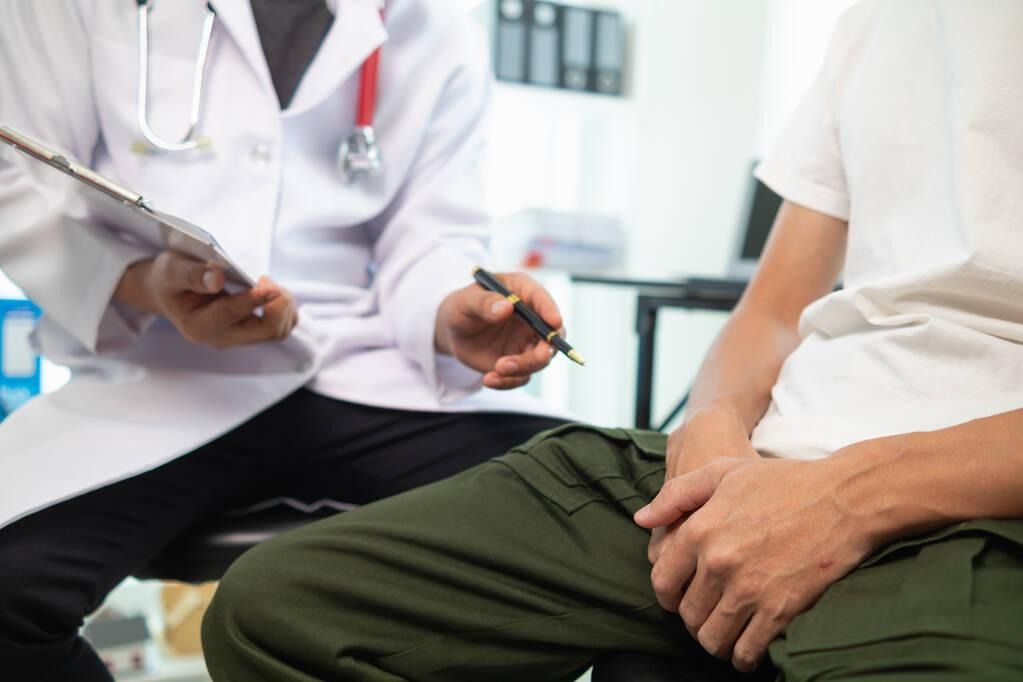
Prostate health is an important part of men’s wellbeing, especially as they get older. The prostate is a small gland found just beneath the bladder, and it helps produce semen. While problems with the prostate are common, many men delay getting checked because symptoms may be mild or not noticed at all in the early stages. This makes regular screening and awareness an important part of long-term health care.
The importance of looking after your prostate
As men age, the risk of prostate conditions increases. These include benign prostate enlargement, prostatitis, and prostate cancer. Among these, prostate cancer is one of the most common cancers in men. Early detection often leads to better outcomes, which is why screening plays a key role.
Data from sources such as the Office for National Statistics: health trends show that prostate cancer rates have changed over time, partly due to improved screening and awareness. Even so, many cases are still found at a later stage when treatment options may be more limited.
Taking steps early helps reduce the chance of serious complications. Screening does not always mean something is wrong; it simply helps identify any changes that may need attention.
When should you get checked?
There is no single answer that fits everyone, but general guidance suggests that men should begin thinking about prostate screening from around the age of 50. For those with higher risk factors, such as a family history of prostate cancer or certain ethnic backgrounds, it may be advised to start earlier, often from age 45.
It is important to speak with a healthcare professional about your personal risk. They can help decide the right time to begin screening based on your health history and lifestyle.
Routine check-ups, including health assessments, can provide an opportunity to discuss prostate health even if you feel well. These assessments often cover a range of health indicators and can highlight areas that may need further review.
Common screening methods
Prostate screening usually involves a combination of simple tests:
- PSA blood test: Measures the blood’s level of prostate-specific antigen. Higher levels may indicate a problem, though they do not always mean cancer.
- Digital rectal examination (DRE): A physical check where a doctor feels the prostate for any unusual changes.
- Further imaging or biopsy: If initial tests show something unusual, more detailed checks may be recommended.
These tests are generally quick and straightforward. While some men feel uneasy about them, they are an important step in checking for early signs of disease.

Why early screening for prostate?
Prostate conditions often develop slowly. In many cases, symptoms such as difficulty urinating or discomfort may only appear later. By the time these signs are noticed, the condition may already be more advanced.
Early screening allows doctors to monitor changes over time. If something unusual is found, it can be addressed sooner, often with more treatment options available. This approach supports better outcomes and may reduce the need for more intensive treatment later.
Programmes such as the NHS cancer screening programmes highlight the value of early detection across different types of cancer. While prostate screening is not part of a universal national programme like some other screenings, awareness and individual action remain important.
Barriers to screening
Despite the benefits, many men still avoid prostate checks. Common reasons include:
- Lack awareness about the importance of screening
- Fear of a possible diagnosis
- Discomfort with the examination process
- Belief that no symptoms means no problem
Addressing these concerns through education and open discussion can help. Understanding that screening is a preventive step, rather than a sign of illness, can help change attitudes.
The importance of regular health checks
Routine health checks provide a broader view of your wellbeing. This often includes blood pressure, cholesterol levels, and other key markers. Including prostate screening alongside these checks helps you better track your health.
Providers such as Vista Health offer access to private screening services, including imaging and diagnostic support. These services can play a valuable part in ongoing care by helping to identify concerns early and support timely follow-up when needed.
The aim is to stay aware of changes in your body and to act early when needed.
Who should be more cautious?
Some men have a higher risk of prostate problems and should be more attentive to screening:
- Those with a close relative who has had prostate cancer
- Men over the age of 50
- Individuals with certain lifestyle factors, such as a poor diet or low physical activity
If you fall into one of these groups, it is worth discussing screening sooner rather than later.
Taking a proactive approach
You can support your prostate health through habits and regular check-ins. Simple steps can make a difference:
- Attend regular health check-ups
- Speak openly with your GP about any concerns
- Stay informed about screening options
- Maintain a balanced diet and active lifestyle
Being proactive helps reduce uncertainty and supports better health over time.

Final thoughts
Prostate screening is essential for men’s health, especially with age. While it isn’t always part of routine checks, it’s important to make it a priority. Early detection offers a better chance of managing conditions effectively and maintaining quality of life.
By making screening a normal part of health care and using regular health assessments to monitor changes, men can take greater control of their wellbeing. Even a simple conversation with a healthcare provider can be the first step towards better long-term health.
Other Articles You May Find of Interest...
- How Low Testosterone Affects Weight Loss and Muscle Growth
- How Testosterone Fits Into the Bigger Picture of Men’s Health
- 5 Ways Aging Can Affect Testosterone Levels in Men
- How Much Does Gynecomastia Surgery Cost?
- Beyond Volume: The True Anatomy and Proportions of a Masculine Jawline
- Understanding Black Disc Disease: Causes, Symptoms, and Management Options
- Why Your Underwear Might Be the Reason You Sweat, Itch, and Chafe (And What to Switch To)