






More Medication Articles
Metronidazole Gel or Tablets: Which is Right for You?
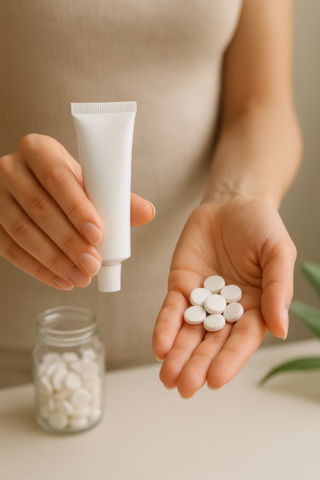
If you’ve been prescribed metronidazole, you might be wondering whether the gel or tablets are better for your situation. Metronidazole is a versatile antibiotic commonly used to treat a variety of bacterial infections. Choosing between the gel versus tablets often depends on the type of infection, its location, and your own preferences or responses to treatment. This article explores key differences to help you understand your options.
Metronidazole Gel vs Tablets: Exploring Your Options
Metronidazole gel is typically used to treat topical concerns, like certain skin conditions, and is applied directly to the affected area. This method allows for localized treatment with minimal systemic absorption. Conversely, metronidazole tablets are generally prescribed for internal infections, such as bacterial vaginosis or specific gastrointestinal infections, as the tablet form works throughout the body. Your healthcare provider can guide you in determining which form might be more suitable based on your specific needs.
When is Metronidazole Gel Recommended?
Metronidazole gel is often recommended for conditions where topical application can be effective. For example, it’s commonly used for managing rosacea, delivering the medication straight to the skin where it can work against inflammation and bacterial components. The gel can provide targeted relief with potentially fewer systemic side effects since it’s not absorbed throughout the body.
How Tablets Are Generally Used
Metronidazole tablets are favored for infections that require systemic treatment. This includes conditions like bacterial vaginosis, pelvic inflammatory disease, or some stomach and intestinal infections. The oral method ensures that the medication circulates in the bloodstream to reach areas that a topical gel cannot. Tablets are convenient for treating infections that affect multiple or internal sites.
Managing Side Effects and Expectations
Both forms of metronidazole can have side effects, though they tend to differ. Topical gels may cause skin irritation or a mild burning sensation where applied, while tablets might lead to digestive issues like nausea or a metallic taste. It’s important to communicate any adverse effects with your healthcare provider, who may adjust your treatment plan or dosage.
When to Seek Care
If you notice that your symptoms worsen or do not improve over time, it’s crucial to consult your healthcare provider. Dermatologists typically manage skin-related issues, making them the right professionals for queries about gel applications. On the other hand, gynecologists or primary care physicians usually address concerns involving the use of tablets for internal infections.
Questions to Discuss with Your Doctor
Before starting or switching forms, consider asking your doctor about potential interactions with other medications you’re taking, as well as any lifestyle adjustments needed to minimize side effects. Discussing any previous reactions to antibiotics can also be helpful in determining the best choice. For more detailed drug information, MedlinePlus provides additional resources.
Considering Combination and Flexibility
In some cases, using both forms together might provide optimal results, especially if treating both internal and external symptoms is necessary. However, this approach is typically reliant on the recommendation and supervision of a healthcare provider. As always, consistency and adherence to the prescribed dosage or application schedule are crucial for efficacy.
For new insights on how different supplements and medications compare in their formulations, you might find this resource on IV therapy vs oral supplements helpful, particularly when considering systemic versus localized treatment methods.
Common Questions
What Are the Common Side Effects?
For gel applications, side effects mainly include local irritation, while tablets can lead to systemic effects like nausea and dizziness. Discuss any side effects with your healthcare provider to manage them proactively.
When Should I Consult a Healthcare Provider?
If symptoms are not improving or you experience severe side effects, it’s essential to reach out to a healthcare provider. Dermatologists can aid with gel-related issues, whereas general practitioners can address tablet concerns.
Can I Use Both Forms Together?
It’s possible to use both under medical supervision, particularly if addressing both skin and internal infections. Consult your doctor before trying this approach to ensure it’s appropriate for you.
What Should I Tell My Doctor Before Starting Treatment?
Inform your provider about any allergies, current medications, and past reactions to antibiotics. This information helps tailor the treatment to your unique health profile.
How Will This Affect My Daily Life?
Metronidazole, in any form, might affect your daily activities if side effects occur, such as causing discomfort or requiring caution under sun exposure for gels. Tablets might necessitate dietary considerations to limit nausea.
- Metronidazole gel is often used for skin conditions, while tablets are for internal infections.
- Both forms have their pros and cons; side effects differ based on the type of application.
- Always consult your healthcare provider if your symptoms do not improve or worsen.
- Discuss potential medication interactions or lifestyle changes with your doctor.
- Combination therapy can be effective but requires medical supervision.
Ultimately, when considering metronidazole gel vs tablets, your healthcare provider will assess your specific issue and recommend the most suitable form. Whether you’re dealing with a skin condition or an internal infection, having informed discussions with your healthcare provider will help guide your treatment plan effectively.
Other Articles You May Find of Interest...
- Single-Dose vs Multiple-Dose Vials: How to Read the Label
- Before Your First Compounded Prescription: Five Questions Worth Asking
- Medication Safety for Aging Parents: A Family Guide to Preventing Missed Doses and Dangerous Mix Ups
- Identifying Pink-and-White Benadryl Capsules
- Anti-Inflammatory Medicines for Trigger Finger: How Much Can They Help?
- What Fluticasone Propionate Cream Is Used For
- Identifying the Blue A 17 Pill and Avoiding Counterfeits





