






More Imaging Articles
MRA vs MRI: Which Imaging Technique is Right for You?
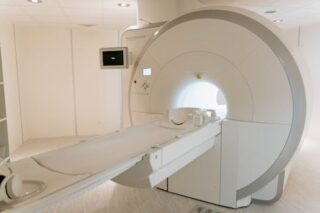
Many people find themselves faced with a medical imaging choice: MRA vs MRI. Whether you’ve been referred for an MRA or an MRI, understanding the differences between these techniques can help ease any anxiety surrounding your appointment. Both are vital tools in the medical field, yet they are used to provide different types of information about the body.
MRA vs MRI: How Do They Compare?
Magnetic Resonance Angiography (MRA) and Magnetic Resonance Imaging (MRI) both utilize magnetic fields and radio waves to produce detailed images. The main distinction lies in their focus: MRAs are specifically designed to visualize blood vessels, while MRIs provide a broader look at organs, soft tissues, and bones.
MRAs are particularly beneficial for identifying aneurysms, blockages, or other vascular issues. In contrast, MRIs are invaluable for diagnosing conditions related to the brain, spinal cord, joints, and more.
The Benefits of MRI and MRA in Everyday Life
MRIs have become a cornerstone in diagnosing a wide range of conditions including brain injuries, spinal issues, and joint disorders. They offer a clear image of the body’s soft tissues, helping clinicians pinpoint issues that might not be visible with other imaging techniques.
MRA’s focus on the vascular system is crucial for patients with suspected vascular diseases. Identifying issues early through an MRA can prevent strokes and heart diseases, allowing for timely medical intervention.
Understanding the Procedure
Both MRA and MRI are non-invasive tests that typically last between 30 to 60 minutes. During the procedure, you’ll lie on a sliding table that moves into a machine resembling a large tube. While the scan is painless, some people experience claustrophobia within the machine. Calm breathing techniques can help, and taking an audiobook or calm playlist could make the time pass quicker.
While MRI and MRA share similarities, you might be required to undergo a contrast dye injection for an MRA. This dye highlights blood vessels, improving the clarity of the imaging. It’s crucial to communicate with your healthcare provider if you’ve had allergic reactions to contrast materials before.
When to Seek Care
If you experience persistent symptoms such as unexplained headaches, dizziness, or visual disturbances, it might be time to consult a healthcare provider. A neurologist or radiologist often manages referrals for MRI and MRA scans based on your symptoms and medical history. Seeking professional advice can help determine which imaging technique is appropriate for your specific situation.
What to Know Before Your Scan
Before undergoing an MRI or MRA, notify your healthcare provider about any implants or devices in your body, such as pacemakers or cochlear implants, as these might interfere with the magnetic fields.
Preparation usually involves wearing comfortable clothing without metal fastenings—no jewelry or watches allowed inside the scan room. Ensure you discuss any kidney issues with your doctor if a contrast dye is required, as it might not be suitable for everyone.
Comparing IV Therapy and Oral Supplements
For those exploring ways to maintain health outside of imaging techniques, you might consider learning about IV therapy versus oral supplements. This exploration can provide different perspectives on supporting your health journey.
Staying Informed: Your Health Is Your Priority
Ultimately, your doctor can help determine which imaging option—MRA vs MRI—is most appropriate based on your symptoms and health needs. Some individuals might experience anxiety about the results, but staying informed and prepared can alleviate worries.
External References
For more detailed information on MRIs and MRAs, you can refer to reliable sources such as the MedlinePlus MRI Procedure page.
- MRIs and MRAs serve different diagnostic purposes: MRA for blood vessels, MRI for structure.
- Consult a neurologist or radiologist regarding symptom-based imaging needs.
- Prepare by understanding procedure differences and notifying your provider of implants.
- Complementary options such as supplements might support your broader health strategy.
- Reach out to trusted sources for detailed imaging procedure insights.
Common Questions
What symptoms might indicate the need for an MRI or MRA?
Unexplained headaches, dizziness, or symptoms of vascular disease should prompt a consultation.
Who typically orders an MRI or MRA scan?
Neurologists and radiologists generally recommend these imaging techniques after assessing your symptoms.
Can I continue medications before MRI or MRA procedures?
Most medications can be continued, but inform your provider, especially if contrast dye is involved.
What if I’m claustrophobic?
Communicate your concerns with the imaging center, as they may offer open MRI options or strategies to ease discomfort.
Should I stop certain activities post-scan?
Generally, day-to-day activities can be resumed post-scan unless advised otherwise by your healthcare provider.
Other Articles You May Find of Interest...
- Radiographer or Radiologist? Know the Difference
- What a Bone Density Test Can Tell You About Your Fracture Risk
- How to Read a CT or MRI Report Before Your Follow-Up Appointment
- Brain MRI After a Stroke: What the Scan Can Show
- What Is Teleradiology? How It Works and What Patients Should Know
- Radiology Clinics in Southern Sydney: Options to Consider
- What Can Different Types of CT Scans Detect? A Patient Guide





