More Home Care & Wellness Products Articles
How Home Design Affects Your Health and Well-Being
The spaces we live in have a direct impact on our physical comfort, mental clarity, and overall well-being. While home design is often associated with aesthetics, its deeper role lies in how it supports daily routines, reduces stress, and improves quality of life over time.
This idea is widely recognized in professional design practice, including by teams like Ataman Studio, where the focus is placed on how spaces perform in real everyday conditions — not just how they look. Working across California, where climate, light conditions, and site constraints vary significantly, the studio applies these principles in the design and construction of modern homes that are both functional and responsive to their environment.
Below are some of the key ways home design affects well-being.
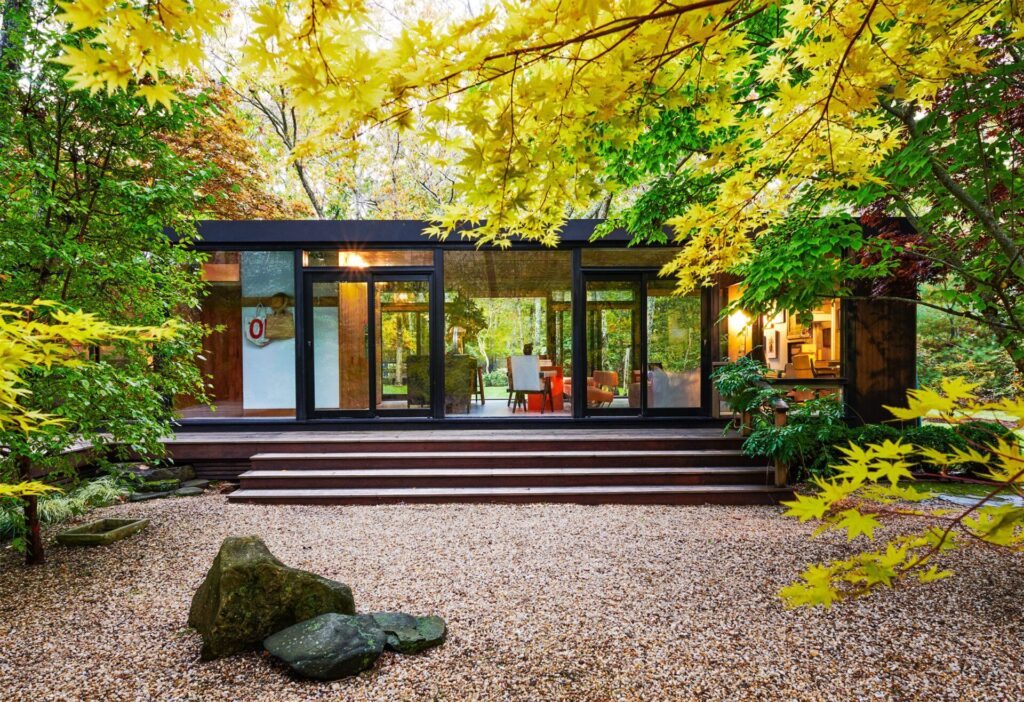
1. Natural Light and Mental Well-Being
Natural light is a fundamental component of a healthy residential environment, influencing both physiological and psychological well-being. Daylight exposure plays a key role in regulating circadian rhythms, supporting sleep quality, and maintaining stable energy levels throughout the day.
When natural light is not properly integrated into a design, spaces can feel visually flat, enclosed, and disconnected from their surroundings — regardless of their size or finish quality. Over time, this can negatively impact mood, focus, and overall comfort.
A better approach:
Effective design considers building orientation, solar exposure, and window placement as core planning elements. By allowing daylight to penetrate deeper into the home and move naturally across spaces, it is possible to create environments that feel more open, balanced, and supportive of daily well-being.
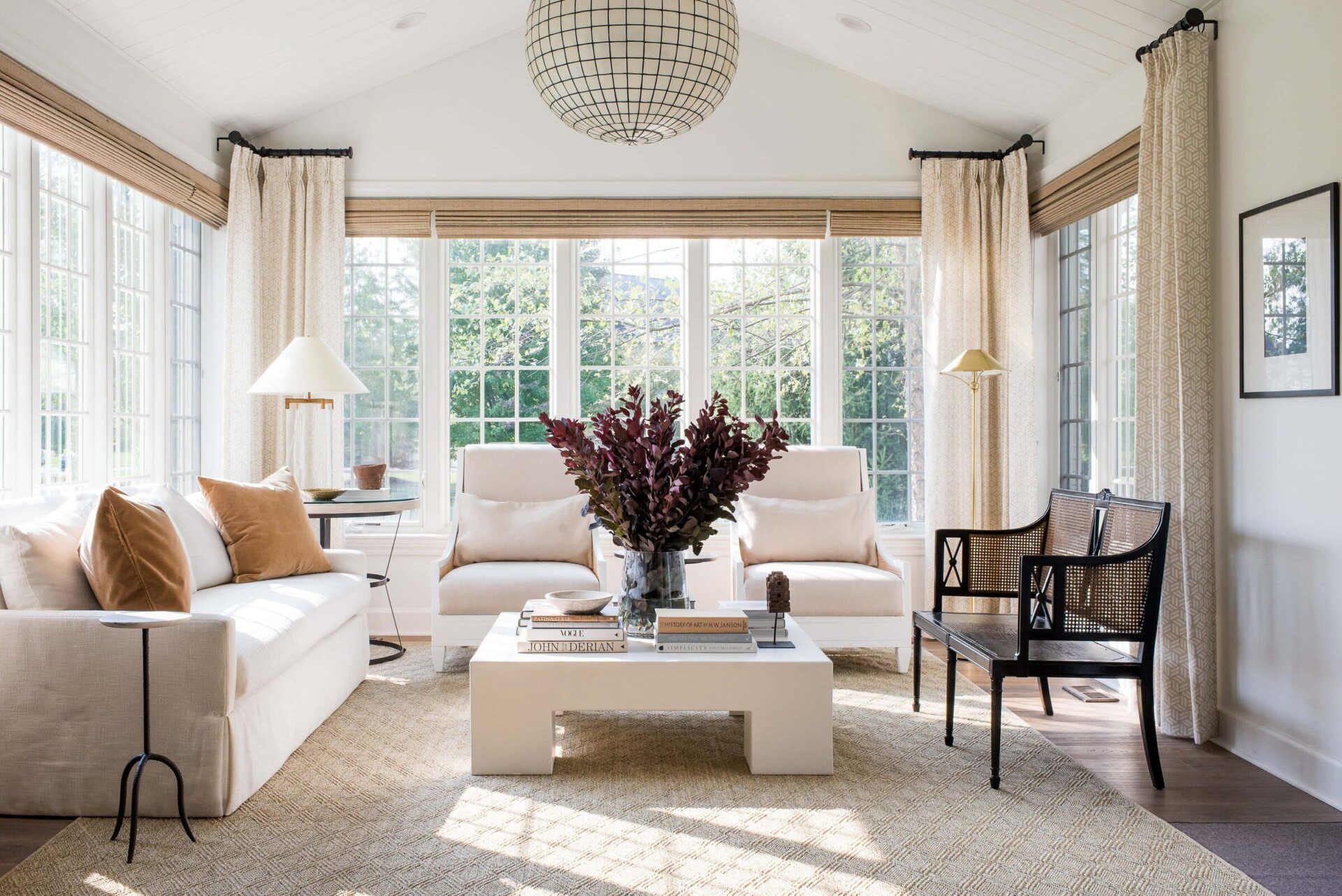
2. Layout and Daily Stress Levels
The organization of space has a direct impact on how comfortably and efficiently a home functions. When layouts lack clarity or logical structure, everyday activities become less intuitive, often resulting in unnecessary movement, visual clutter, and underperforming spaces.
These inefficiencies may seem minor in isolation, but over time they contribute to increased cognitive load and a general sense of friction within the living environment.
A better approach:
A well-resolved layout is based on clear spatial hierarchy and intentional zoning. Circulation paths should be direct and intuitive, while individual areas are defined by their function and relationship to one another. Thoughtfully integrating technology, including a streamlined TV installation, can help reduce visible cables and clutter while supporting a clean, organized living space.
This structured approach reduces daily friction, supports routine activities, and creates a more comfortable and predictable living experience.
3. Airflow and Indoor Comfort
Indoor air quality and ventilation are critical components of a healthy and comfortable living environment. Proper airflow supports respiratory health, regulates indoor temperature, and contributes to overall physical well-being.
When ventilation is not adequately considered during the design phase, spaces can feel stagnant, overheated, or poorly balanced in terms of air movement. This often leads to discomfort, reduced air quality, and a reliance on mechanical systems to compensate for design limitations.
In climates like California, where temperature fluctuations and solar exposure vary throughout the day, natural ventilation becomes even more important.
A better approach:
Designing for effective airflow requires an understanding of cross-ventilation, window placement, and spatial connectivity. By allowing air to move naturally through the home — supported by strategic openings and open-plan relationships — it is possible to create a more stable, comfortable, and healthier indoor environment.
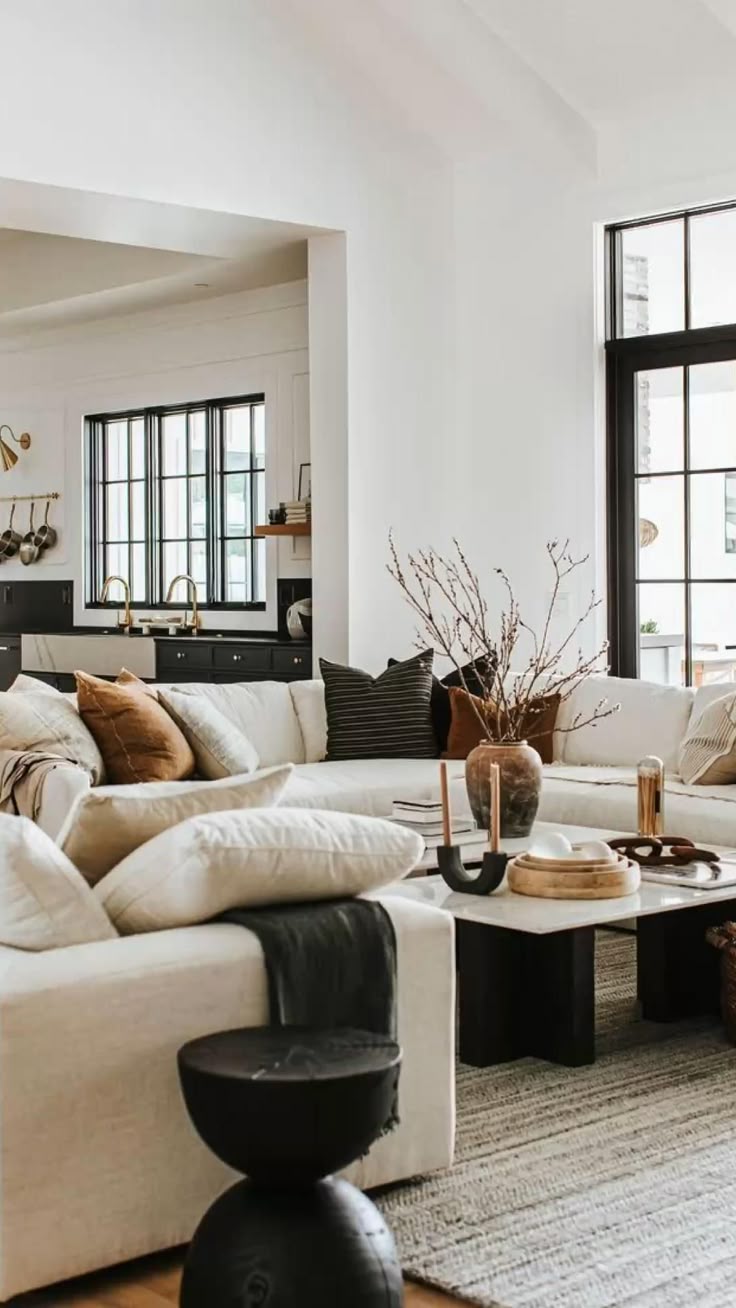
4. Storage and Mental Clarity
The way storage is integrated into a home has a direct impact on both functionality and psychological comfort. Environments that lack sufficient or well-organized storage tend to accumulate visual clutter, which can reduce focus, increase stress, and negatively affect daily routines.
From a design perspective, storage is not simply a utility — it is a structural element that supports order, usability, and spatial clarity.
When overlooked, it often results in reactive solutions that disrupt both the aesthetics and efficiency of the space.
A better approach:
Storage should be incorporated as a core component of the design strategy from the outset. This includes built-in systems, clearly defined storage zones, and multi-functional elements that support everyday use. Well-integrated storage reduces visual noise, improves organization, and contributes to a calmer, more controlled living environment.
5. Functional Spaces That Support Lifestyle
A well-designed home is defined not only by how it looks, but by how effectively it supports everyday life. When spatial planning is disconnected from real user behavior, even visually appealing environments can become inefficient, underutilized, or неудобними in practice.
This misalignment often leads to spaces that do not support daily routines, resulting in reduced comfort, fragmented use of the home, and lower overall satisfaction over time.
A better approach:
Effective residential design begins with a clear understanding of lifestyle patterns. Spaces should be organized around how people cook, work, relax, and interact on a daily basis. By aligning layout decisions with real-life use, each area gains a defined purpose, contributing to a more intuitive, efficient, and комфортний living environment.
A More Integrated Approach to Home Design
High-quality home design is not the result of isolated decisions, but of a coordinated system that integrates layout, natural light, airflow, and functional planning.
When these elements are considered together from the early stages, the result is a space that performs consistently — supporting both physical comfort and mental well-being over time.
By approaching design with a structured, informed perspective, homeowners can create environments that are not only visually refined, but also practical, adaptable, and sustainable in the long term.
Other Articles You May Find of Interest...
- How Hot Is Too Hot? The Water Temperature Mistake Families Often Overlook
- Sauna Hats and Heat Comfort: What They Can and Cannot Do for Your Head and Hair
- Why Building Material Specifications Matter for a Safer, Healthier Home
- Healthy Home Plumbing in Philadelphia: Water Quality, Leaks and Other Health Concerns
- Can a Bird Mite Problem Begin Weeks After Birds Have Already Left the Nest?
- Why HVAC Technicians Play an Important Role in Healthy Indoor Environments
- The Kitchen Upgrade Every Parent Should Consider