Your Health Magazine Contributor
4201 Northview Drive
Suite 102
Bowie, MD 20716
More Home Care & Wellness Products Articles
6 Gentle, Allergy-Friendly Methods for Improving Indoor Air Quality
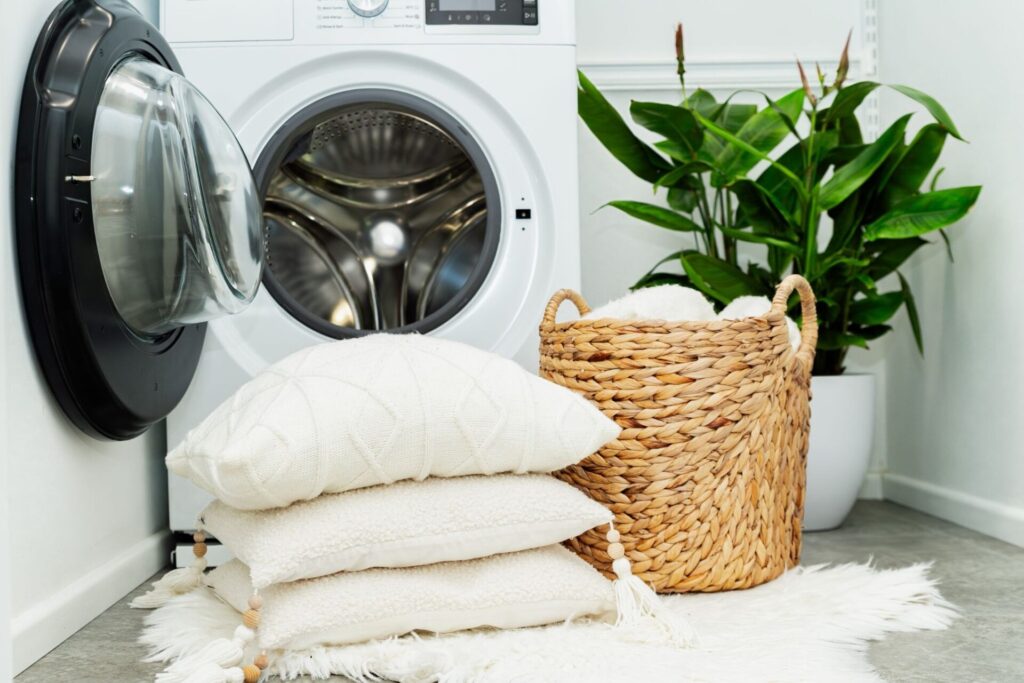
While breathing should feel natural and easy at home, for a significant number of Australians, it’s rarely that simple. Low-level irritation creeps up on you, waking up congested or sneezing more than usual, and realising you just can’t seem to shake that stale dusty feeling in parts of your home. Even with the windows open, regular vacuuming, and candles burning, something still feels amiss.
If allergies, pets, or sensitivities to dust and mould are a part of your life, those little irritations might be adding up. Indoor air quality can be compromised without you even realising it, making it harder to sleep, focus on the task at hand and truly feel relaxed in your space. Furthermore, a lot of these air quality issues originate in spots you wouldn’t necessarily suspect, including things like your grout, upholstery, and the cleaning products you use.
The great thing is that you don’t need to lean on chemicals to clean up your indoor air. Simple changes that live by the low-tox mantra can help you cultivate a space that truly feels fresher, lighter and easy to breathe in.
Here are six gentle, allergy-friendly ways to improve your indoor air quality:
Refreshing Your Tiles: How Regrouting Can Reduce Hidden Allergens
Though often seen as superficial, tile regrouting services can actually be a simple method for improving indoor air quality, specifically in moisture-rich areas such as bathrooms. Tiles themselves aren’t very porous, but the grout in between them is absorbent. Moisture invites the unwelcome growth of mould, mildew, and bacteria below the surface, trapping dust, allergens, and spores that are easily released into the air with normal foot traffic or use.
Dirty or aged grout is especially bad at trapping these particles. Minor wear and tear can cause your grout to crack, crumble, or discolour, making it more likely to spread allergens and irritants around your home. This can cause that funky “something is growing in here” odour or that stale feeling you get no matter how much you clean.
Stubborn stains, uneven colouring, and cracks, along with grout that’s soft or crumbling, signal it’s time for a regrout. Also, if you’re finding yourself constantly scrubbing the same spots with no luck, a more thorough cleaning could be in order. Since regrouting is one of the lesser-known ways to improve your air quality, it also happens to be one of the least toxic. Instead of masking mould and dirt with chemical cleaners you can remove the offending surfaces and replace them with fresh, sealed grout.
Of course smaller areas can be addressed yourself at home but if you have larger areas or really damaged grout, it’s always recommended to have a professional remove, replace, and seal your grout to ensure the job is done right and you don’t damage any surrounding tiles.
Letting Fresh Air In (Without Letting Allergens Take Over)
Walking over to your window and cracking it open may be one of the easiest ways to ventilate your home. But when you suffer from allergies, opening a window is not always the best solution. Natural ventilation when timed correctly can allow stale air to escape, pollutants to diminish and create an overall lighter atmosphere in your home without letting pollen and humidity rush in.
Incorporating these ventilation strategies into your weekly schedule can improve the air quality in your home. Try opening your windows for short periods of time, rather than leaving them open throughout the day. This is especially important for rooms that see high traffic such as your living room and bedroom. Turn on exhaust fans in your kitchen and bathrooms to reduce moisture and pollutants at the source.
Most plants release pollen in the early morning and evening, so opening your windows during these times can help reduce your home’s exposure. On high pollen count days, it’s best to avoid ventilation if you live close to trees, grass, weeds and even construction sites. The weather can also affect your indoor air quality. If it’s humid or raining outside, you’ll be bringing that moisture into your home which can lead to mould.
Cross-breezes are an easy way to ventilate your home without installing ventilation equipment. Simply opening two windows or a window and door on opposite sides of your home allows the air to pass through your home versus sitting stagnant. A steady, slow breeze can help get rid of dust, smells and pollutants in the air.
Choosing Low-Toxicity Cleaning Products
Dust and allergens are kept in check by cleaning, yet the products we choose can ironically contain elements that worsen our sensitivities. Irritants found in cleaning products include synthetic fragrances, harsh chemicals and volatile organic compounds (VOCs). You’ll usually find VOCs in both aerosol sprays and disinfectants. You might experience breathing difficulties due to the fumes that some cleaning supplies leave behind, even hours later.
Products with a strong smell don’t necessarily mean they are better at cleaning. Some products cover smells instead of taking them away. Deep down you may be actually harming your indoor air quality, especially if you live in an apartment or a home with poor ventilation.
Use fragrance-free or low-tox products where you can. Lemon myrtle, lavender, tea tree oil and vinegar are all natural cleaners that can easily substitute for toxic chemicals when cleaning your home. For daily upkeep, try using diluted vinegar and water or a non-scratching, natural cleaning product.
Of course, just because something is “natural”, doesn’t mean it won’t irritate you. Essential oils are not necessarily hypoallergenic, and some people can become sensitive to them as well. Paying attention to how products affect you (and choosing options with minimal, clearly listed ingredients) can go a long way in balancing cleanliness and health in your household.
Managing Humidity to Prevent Mould Growth
It’s easy to overlook, but moisture plays a major role in indoor air quality, and mould is a growing problem in many homes, particularly in spaces where humidity isn’t well controlled. Many homes have rooms with humidity levels that aren’t ideal and excess moisture can lead to mould spores growing and circulating in your home.
It’s important to control the humidity levels in your home to prevent indoor mould growth. Ideally, you want to stay between 30%–60% humidity in your home. Should the humidity in your home consistently exceed those levels for a while, you might start seeing condensation on surfaces like walls, ceilings, and grout. This will also cause that area to feel clammy and create the perfect conditions for mould to grow.
One of the easiest ways to reduce humidity in the air is by using a dehumidifier and exhaust fans. Make sure you run your exhaust fan any time you shower, cook, or do laundry. This helps eliminate the moisture before it can even enter your air. Dehumidifiers can also be used in rooms that tend to be more humid than others. Dehumidifiers are most useful during the cooler months when your home is likely to be closed up more.
Bathrooms are notorious for mould growth, but kitchens and laundry rooms are just as susceptible. Check under sinks, around appliances, and anywhere that may not have adequate ventilation. Other places to look for mould include spots where you see windows are constantly condensing, damp areas or corners, and areas that smell musty.
Soft Furnishings Without the Sneezes
While soft furnishings help make our homes cosy, they can also harbour allergens. Carpets, curtains and upholstery can trap dust, pet hairs, pollen and mould spores amongst other things. When disturbed, these particles can easily become airborne again.
You don’t have to live in a home devoid of soft furnishings. You can be more selective about the type you bring into your home. Replace items that are heavy and difficult to clean with washable alternatives where possible. Use low-pile or washable carpets instead of shag pile, blinds rather than curtains and wipe-clean upholstery fabrics. Hypoallergenic materials will also limit the dust and allergens that collect.
As well as using washable soft furnishings, you should also regularly clean the ones that don’t move easily. Vacuum carpets regularly using a vacuum with a filter, wash soft furnishing covers and wipe spills on furniture. Remember to clean hidden places such as under sofa cushions and behind furniture. You don’t have to do it every day but little and often is better than leaving it a few weeks between cleans.
Air Purifiers and Filters That Actually Make a Difference
Air purifiers are another option for those who want to go one step further. The bedroom or living room are particularly good places to put one, if you only have space for a single unit. When chosen well, they can help capture fine particles that are otherwise difficult to remove, contributing to that feeling of clean air, quiet lungs.
You’ll want a HEPA filter (High-Efficiency Particulate Air). Essentially these are filters built to prevent very fine particles like dust, pollen, and pet dander from passing through and back into the air in your room. Take care that the purifier you choose uses a bona fide HEPA filter; many pretend ones use “HEPA-style” or something equally nonspecific.
For households looking for HEPA filtration, brands like Medify Air offer air purifiers designed for different room sizes, including bedrooms and living spaces.
Beware fancy marketing terms. Ionisers, fragrances, and “air freshening” technology can be nice to have, but are often just extra ways for allergens and irritants to enter your air. A simple model with a good filter and proper room-size rating will usually serve you better.
Placement is more important than most realise. You want to put your air purifier where air can circulate easily around it; don’t push it up against walls or furniture if possible. Try to position it near where you spend most of your time, and leave it on for consistency. Don’t just wait until your room smells or feels dirty to turn it on.
Bringing It All Together: Small Changes, Noticeable Relief
Fresh indoor air doesn’t necessarily mean ripping your home apart or tackling it with strong chemical warfare. When it comes to improving indoor air, the best approach usually involves addressing the specifics, such as managing moisture, limiting irritants, and promoting air movement.
Think of healthy indoor air in terms of layers. Opening windows, reducing humidity, using non-toxic cleaners and eradicating dust collectors all contribute to a brighter, lighter feeling home. Small shifts that add up to less overall burden in your space.
Don’t feel like you’re in this alone, either. There are occasions where spot treatment can work wonders. Addressing specific problems, such as hidden moisture, damaged surfaces, and ventilation inadequacies, often leads to the most noticeable results.
With a light touch your home can feel cleaner and fresher in no time.
Other Articles You May Find of Interest...
- How Hot Is Too Hot? The Water Temperature Mistake Families Often Overlook
- Sauna Hats and Heat Comfort: What They Can and Cannot Do for Your Head and Hair
- Why Building Material Specifications Matter for a Safer, Healthier Home
- Healthy Home Plumbing in Philadelphia: Water Quality, Leaks and Other Health Concerns
- Can a Bird Mite Problem Begin Weeks After Birds Have Already Left the Nest?
- Why HVAC Technicians Play an Important Role in Healthy Indoor Environments
- The Kitchen Upgrade Every Parent Should Consider