More Heart Disease, Stroke and Diabetes Articles
Is Heart Pain When Sneezing a Cause for Concern?
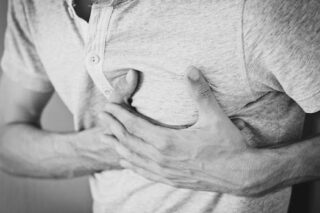
Imagine facing an unexpected sharp pain in your chest as you sneeze. It’s a sensation that can be startling and concerning, especially when thoughts of heart pain arise. While heart pain when sneezing can be unsettling, it isn’t always linked to serious heart problems. Understanding what might be happening can help ease your mind and guide you towards the right course of action.
Understanding Heart Pain When Sneezing
Heart pain while sneezing can sometimes be mistaken for more serious conditions like heart attacks. However, the pain you feel could originate from a variety of causes. Common reasons include muscular strain, rib cage inflammation, or even acid reflux. The sudden movement associated with sneezing can strain muscles or put pressure on your chest, leading to brief, sharp pains.
If heart pain sneezing occurs frequently and is bothersome, it’s important to monitor other symptoms and consult a healthcare professional for a thorough evaluation. This could rule out any underlying conditions such as costochondritis or other types of inflammation.
Potential Causes of Chest Discomfort
Several factors could contribute to chest discomfort during a sneeze. Muscular strain from physical exertion, poor posture, or chronic coughing can all aggravate chest muscles and lead to pain. Gastroesophageal reflux disease (GERD) may also cause chest discomfort, as acid travels up into the esophagus, irritating the lining.
Respiratory infections, particularly those affecting the upper respiratory tract, can cause irritation and inflammation around the rib cage. This inflammation can make sneezing particularly painful. Additionally, psychological factors such as anxiety can sometimes manifest as physical symptoms, including exaggerated responses to minor pain.
Managing Symptoms at Home
To alleviate minor chest discomfort, consider simple home remedies such as applying a warm compress to the affected area to relax tense muscles. Over-the-counter anti-inflammatory medications, used under the guidance of a healthcare provider, may reduce pain and swelling.
Incorporating gentle stretching and relaxation techniques like yoga or deep breathing can also help in managing stress and reducing muscular tension, potentially diminishing the frequency and intensity of chest discomfort associated with sneezing. More ways to promote a resilient physique include incorporating movement into daily life, as highlighted in this guide on small steps to a more active lifestyle.
When to Seek Care
If chest discomfort becomes recurrent or is accompanied by additional symptoms such as dizziness, sweating, shortness of breath, or radiating pain, it’s crucial to seek medical attention. These signs could indicate something more serious, like cardiac concerns. A cardiologist, who specializes in heart-related issues, can assess your symptoms and run appropriate tests to either diagnose or rule out potential heart conditions.
Medication Considerations for Chest Pain
If you’re taking medications for conditions like acid reflux or high blood pressure, it’s important to discuss any chest pain with your doctor. Sometimes medications may need adjustment, or a side effect might be causing discomfort. Never stop taking prescribed drugs without consulting with your healthcare provider. They can provide guidance on whether a medication switch is warranted and monitor any new or recurring side effects.
Consulting with a healthcare professional can also reveal whether your symptoms may be managed by adjusting non-prescription medications. A well-informed conversation regarding potential drug interactions is essential to ensure comprehensive care.
Common Questions
What should I do if I feel heart pain when sneezing?
If you experience occasional heart pain when sneezing, try to relax and rest. Use warm compresses or apply gentle pressure to the affected area. See a healthcare provider if the pain persists or worsens.
What type of provider should I see for chest pain?
For chest pain, consider visiting your primary care doctor initially. If your symptoms suggest heart-related concerns, a referral to a cardiologist may be appropriate.
Are there lifestyle changes that can help prevent chest pain when sneezing?
Maintaining a healthy lifestyle with regular physical activity and proper posture can reduce musculoskeletal-related chest pains. Stress management and dietary adjustments to manage acid reflux are also beneficial.
What are common non-cardiac causes of chest pain?
Non-cardiac causes of chest pain include muscular tension, anxiety, rib inflammation, and acid reflux. Identifying the exact cause is crucial for appropriate management.
How can I tell if my chest pain is serious?
Seek medical evaluation if chest pain is severe, persistent, or accompanied by symptoms like shortness of breath, dizziness, or pain radiating to other areas like the arms or jaw.
- Heart pain when sneezing is usually not due to a heart condition.
- Muscular strain or reflux are common, less concerning causes.
- Seek medical advice for persistent or severe symptoms.
- Both medications and lifestyle factors can influence chest pain sensations.
- Consult healthcare providers to manage symptoms effectively.
Heart pain sneezing can provoke anxiety, but armed with the right information and guidance from healthcare professionals, it doesn’t have to disrupt your daily life. Stay informed about your health, and engage with resources to support well-being.
Other Articles You May Find of Interest...
- A Blood Pressure of 178/109 Needs Prompt Attention
- Can High Blood Pressure Make Your Face Red?
- Is a Nuclear Stress Test Safe?
- Echocardiography in Dubai: What an Echo Shows, the Different Types and How to Prepare
- Sternum Lump After Open-Heart Surgery: Normal Healing or a Problem?
- Which Specialist Treats High Cholesterol?
- How to Keep Your Heart Healthy: Everyday Habits That Lower Your Risk