






More Gastroenterology Articles
What Does a Low SGOT in Blood Test Mean for Your Health?
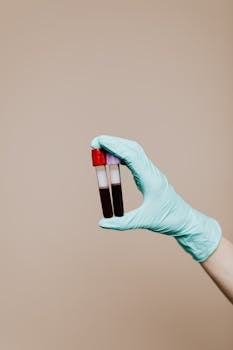
When your healthcare provider orders blood tests, you might notice a variety of abbreviations and numbers on the report. One of these is the SGOT or Aspartate Aminotransferase (AST) level, a common marker in liver function tests. But what does a low SGOT in blood test mean, and should it be a cause for concern? Understanding your blood test results can empower you to have informed discussions with your doctor.
Understanding a Low SGOT in Blood Test
The SGOT enzyme is primarily found in the liver, heart, and muscles. It plays a crucial role in converting the amino acid aspartate into another compound. A low SGOT in blood test may not be as commonly discussed as high levels, because elevated SGOT is often more indicative of liver damage. However, a low SGOT can also provide insights into your health.
Possible Causes of Low SGOT Levels
While low SGOT levels are generally considered to be normal, there are a few situations where they may warrant further attention. Low or decreased activity of this enzyme could be linked to vitamin B6 deficiency, since vitamin B6 is a cofactor involved in the enzyme’s activity. Another potential cause could be chronic kidney disease, where enzyme levels, including SGOT, tend to decline.
If your SGOT is unusually low, your healthcare provider may recommend further testing or dietary adjustments. It is also important to review any medications you may be taking, as some drugs can affect liver enzyme levels.
Comparing Low SGOT and ALT Levels
SGOT is often measured alongside ALT (Alanine Aminotransferase). While both are liver enzymes, ALT is more specific to the liver, whereas SGOT is also found in other organs. A low SGOT combined with a normal or elevated ALT may provide additional clues about liver health and function.
Should You Be Concerned?
In most cases, a low SGOT in blood test isn’t something to worry about. SGOT values can fluctuate based on various factors, including physical fitness, nutritional status, and overall health. However, consistently low or decreasing values should be discussed with a healthcare professional to rule out any underlying conditions or deficiencies.
Monitoring Liver Health
Liver health is vital for processing nutrients, filtering out toxins, and carrying out many essential functions in the body. Various conditions, including fatty liver disease and hemochromatosis, can impact its function. If liver health is a concern, it may be helpful to learn about the symptoms of hemochromatosis and other liver-related issues.
Maintaining Healthy SGOT Levels
Maintaining a balanced diet rich in vitamins and nutrients, particularly vitamin B6, can support healthy SGOT levels. Foods such as chicken, fish, potatoes, bananas, and chickpeas are excellent sources of vitamin B6. Regular exercise, staying hydrated, and avoiding alcohol can also contribute to liver health.
Consultation and Follow-Up
If your SGOT levels are low or changing, follow up with your healthcare provider. They may recommend additional tests or refer you to a specialist. Remember, routine blood tests are an essential part of monitoring your overall health and can offer early detection of potential issues.
Takeaways
- Low SGOT levels in a blood test generally aren’t alarming but can indicate nutritional or health issues.
- Vitamin B6 deficiency or chronic kidney disease might contribute to low SGOT levels.
- Maintain a balanced diet and healthy lifestyle to support liver and overall health.
- Discuss any unusual enzyme level changes with a healthcare professional.
- Routine testing is important for monitoring liver function and detecting issues early.
FAQs
What does a low SGOT level indicate?
A low SGOT level can sometimes indicate a vitamin B6 deficiency, chronic kidney disease, or other less common conditions. However, it is often not immediately concerning without other abnormal findings.
What should I do if I have a low SGOT level?
You should consult with your healthcare provider for a thorough assessment to determine whether further testing or changes to your diet and medications are necessary.
Can diet affect SGOT levels?
Yes, certain nutrients, particularly those rich in vitamin B6, can influence SGOT levels. Including foods like chicken, fish, bananas, and chickpeas in your diet may help maintain normal levels.
Are low SGOT levels more concerning than high levels?
Low SGOT levels are generally less concerning than high levels, as elevated SGOT often indicates liver or muscle damage. However, consistent low levels should still be discussed with a doctor.
Where can I learn more about liver enzymes and their impact on health?
For more comprehensive information on liver enzymes and their role in health, you might find useful resources from reputable medical sites, such as this article on Wikipedia’s health page.
Other Articles You May Find of Interest...
- Why You Get Stomach Bloating and Gas After Eating Meat
- Why Does Chick-fil-A Make My Stomach Hurt?
- Dr. Omar Marar on the Evolution of Modern Colorectal Surgery
- Pain Where Your Appendix Was Removed Years Ago: Possible Causes
- Why Multi-Strain Probiotics May Offer Broader Digestive Support
- What a Healthy Colon Looks Like During Colonoscopy
- A Better Digestive Rhythm: Everyday Habits for Preventing Occasional Constipation





