






More Gastroenterology Articles
Navigating the Challenges of Post Op Ileus After Surgery
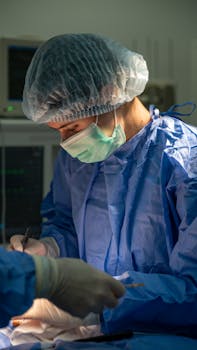
After surgery, many patients expect a steady recovery, but encountering a post op ileus can be an unexpected hurdle. This condition involves a temporary cessation of bowel movements and is more common than you might think. Patients might experience symptoms such as bloating, abdominal discomfort, and failure in passing stool or gas. These experiences can be unsettling, especially when recovery was anticipated to be smooth.
Understanding Post Op Ileus Symptoms
Post op ileus mainly manifests as a disruption of normal bowel movement following a surgical procedure. When the intestines are unable to contract effectively, digestion is halted, leading to increased abdominal pressure. Symptoms may include nausea, vomiting, and abdominal distension. For those not familiar with this condition, the experience can feel like a setback in their recovery journey.
Challenges in Daily Life
Managing daily life with post op ileus can be challenging. The discomfort and bloating can make basic activities, like eating or walking, exhausting. Patients often find themselves unable to resume normal routines and might feel tethered to their recovery environment. This condition not only affects physical abilities but can also influence mental well-being due to the unexpected delay in recovery.
When to Seek Care
If you’re experiencing persistent or worsening symptoms after surgery, it’s essential to seek medical guidance. Gastroenterologists are specialized in managing issues related to the digestive system and can help assess the situation. If you’re unable to pass gas, have severe abdominal pain, or notice significant bloating that doesn’t improve, a healthcare professional can provide further evaluation and possibly recommend interventions to alleviate the symptoms.
How Is Post Op Ileus Treated?
Treatment for post op ileus often involves supportive care, such as intravenous fluids and electrolyte management, to ensure adequate hydration and nutrition. In some cases, medications may be prescribed to stimulate bowel movements. Gradually reintroducing oral intake as the bowel function returns to normal is a typical approach. Consulting with your healthcare team is crucial to determine the best individualized plan.
Deciphering Medication Impacts
Medications play a considerable role in managing post op ileus. For instance, some prescription drugs may alleviate symptoms, while others might inadvertently contribute to bowel dysfunction. It’s important to discuss with your doctor any medications you are currently taking to evaluate their potential impact on your recovery. Adjustments might be necessary to optimize digestion and expedite your return to normal bowel function.
Do Certain Foods Help Recovery?
Gradual dietary adjustments can support recovery from post op ileus. Initially, a liquid diet is often recommended to ease the digestive process. As the condition improves, transitioning to soft, easily digestible foods such as oatmeal or applesauce can be beneficial. Some studies suggest that gentle probiotics and certain herbal teas may provide support during recovery, but it’s advisable to consult a healthcare provider before adding supplements to your regimen.
Understanding and managing post op ileus involves patience and collaboration with your healthcare team. As part of your recovery journey, you might explore articles such as Recognizing Symptoms Related to Gastroenterology for further insights. Additionally, general knowledge about health-related conditions can broaden your understanding, as found on Wikipedia’s health page.
- Post op ileus can cause temporary bowel inactivity.
- Symptoms include nausea, bloating, and abdominal discomfort.
- Consult a gastroenterologist for persistent symptoms.
- Dietary adjustments and medication review can aid recovery.
- Staying hydrated and following medical advice are crucial.
Common Questions
What should I do if my symptoms persist?
If you notice that your post-surgical symptoms aren’t improving, it’s time to reach out to a gastroenterologist. They can provide insights and might suggest specific interventions or medications to address the issue.
Can certain foods worsen post op ileus?
Heavy, greasy foods can exacerbate symptoms like bloating. Initially, sticking to a liquid or soft diet helps reduce stress on the digestive system. Gradually reintroducing solid foods is advisable as symptoms improve.
Is there a way to prevent post op ileus?
While not entirely preventable, certain measures like effective pain management, early mobilization post-surgery, and careful dietary choices can help minimize the risk. Discuss preventive strategies with your healthcare team before surgery.
Are there long-term effects of post op ileus?
Post op ileus typically resolves once the bowel regains function and doesn’t usually lead to long-term consequences. However, each individual’s recovery may vary, so continual monitoring and open communication with your doctor are essential.
Does medication impact recovery duration?
Yes, some medications can prolong or mitigate symptoms of ileus. Collaborating with your healthcare provider to adjust or substitute medications may positively impact your recovery timeline.
Other Articles You May Find of Interest...
- Why You Get Stomach Bloating and Gas After Eating Meat
- Why Does Chick-fil-A Make My Stomach Hurt?
- Dr. Omar Marar on the Evolution of Modern Colorectal Surgery
- Pain Where Your Appendix Was Removed Years Ago: Possible Causes
- Why Multi-Strain Probiotics May Offer Broader Digestive Support
- What a Healthy Colon Looks Like During Colonoscopy
- A Better Digestive Rhythm: Everyday Habits for Preventing Occasional Constipation





