More Gastroenterology Articles
Is Your Medication Hepatotoxic? Discover the Impact on Liver Health
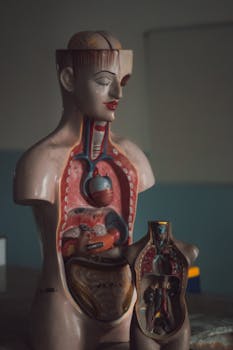
Have you ever wondered if the medications you take could be affecting your liver health? The term “hepatotoxic” refers to substances that can cause liver damage. Understanding which medications might carry this risk and how it can impact you is crucial for maintaining liver health.
Identifying Hepatotoxic Medications
Some medications are known for their potential to harm the liver. Common examples include acetaminophen, certain antibiotics, and specific cholesterol-lowering drugs. It’s essential to check whether any prescribed medication or over-the-counter drug you use is known to be hepatotoxic. Always read the accompanying leaflet and consult with your healthcare provider if you have concerns.
How Hepatotoxicity Affects Daily Life
Liver health is vital for numerous bodily functions, including detoxification, metabolism, and digestion. When the liver is compromised, you might experience symptoms like fatigue, nausea, jaundice, or abdominal pain. These can impact daily activities, affecting your energy levels and overall well-being. Maintaining awareness and taking preventive steps can help mitigate these issues.
Monitoring Liver Health
Regular monitoring through blood tests can help detect early signs of liver damage. Tests like liver function tests check for enzymes that indicate liver activity. Elevated levels may suggest hepatotoxic effects, prompting a review of your medication regimen.
When to Seek Care
If you experience persistent symptoms such as jaundice, dark urine, or unexplained fatigue, it might be time to see a healthcare provider. Consulting with a hepatologist or a gastroenterologist can provide specialized insight into liver health. These experts can offer guidance on managing symptoms and preventing further liver damage.
For more on identifying liver-related symptoms, read about recognizing the signs of liver disorders.
Adjusting Medications Safely
Switching medications can be a necessary step when liver health is at risk. However, it’s crucial to do this under medical supervision to avoid complications. Your doctor may adjust your dosage or replace a hepatotoxic drug with a safer alternative.
Questions to Ask Your Doctor
Before changing medications, prepare a list of questions for your healthcare provider. Consider asking whether any over-the-counter supplements you’re taking might contribute to liver strain. Additionally, inquire about potential symptoms that could indicate your dose needs adjustment.
Treatment Options and Lifestyle Changes
In cases where liver damage is detected, lifestyle changes such as a balanced diet and regular exercise can support liver function. Avoiding alcohol and staying hydrated are also key strategies. Medications may be prescribed to manage symptoms and prevent progression.
For general information on maintaining liver health, visit this resource.
- Hepatotoxic medications can adversely affect liver health, leading to various symptoms.
- Liver function tests are crucial for early detection and monitoring.
- Consult a healthcare provider promptly if symptoms arise.
- Medication changes should always be guided by a healthcare professional.
- Adopting healthy lifestyle choices can support liver health.
Common Questions
How do I know if a medication is hepatotoxic?
Your healthcare provider can discuss the potential risks of your medications. Reading the accompanying information leaflet and researching online through reliable sources can also provide information on hepatotoxicity.
When should I see a doctor for liver-related symptoms?
If you experience symptoms like jaundice or persistent fatigue, consult a healthcare professional promptly. A hepatologist or gastroenterologist specializes in liver conditions and can provide targeted care.
What lifestyle choices support liver health?
Maintaining a balanced diet, exercising regularly, limiting alcohol intake, and staying hydrated are key lifestyle choices that support liver health. Regular medical check-ups can also help track liver function over time.
Can liver damage from medications be reversed?
In some cases, liver damage may be reversible if caught early and managed effectively. Discontinuing the hepatotoxic medication and making necessary lifestyle changes can facilitate recovery.
Are over-the-counter supplements safe for my liver?
While many supplements are safe, some can be hepatotoxic. Always discuss any supplements with your healthcare provider to ensure they don’t pose a risk to your liver health.
In summary, being aware of the potential for medications to be hepatotoxic is vital for safeguarding your liver health. Regular consultations with your healthcare provider and lifestyle modifications can play a significant role in maintaining liver function and overall well-being.
Other Articles You May Find of Interest...
- Why You Get Stomach Bloating and Gas After Eating Meat
- Why Does Chick-fil-A Make My Stomach Hurt?
- Dr. Omar Marar on the Evolution of Modern Colorectal Surgery
- Pain Where Your Appendix Was Removed Years Ago: Possible Causes
- Why Multi-Strain Probiotics May Offer Broader Digestive Support
- What a Healthy Colon Looks Like During Colonoscopy
- A Better Digestive Rhythm: Everyday Habits for Preventing Occasional Constipation