More Gastroenterology Articles
Is Famotidine a PPI or H2 Blocker? Discover the Truth Behind This Common Medication
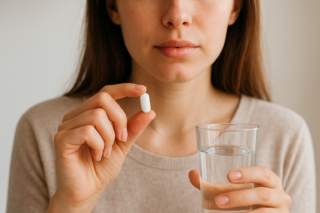
When experiencing heartburn or acid reflux, you might reach for familiar medications like famotidine. But is famotidine a PPI or H2 blocker? This question often arises when people try to understand the best treatment for reducing stomach acid. Famotidine, commonly known for its brand name Pepcid, plays a specific role in managing these conditions, but it’s important to know how it differs from other acid-reducing medications.
Is Famotidine a PPI or H2 Blocker?
Famotidine is categorized as an H2 blocker, not as a proton pump inhibitor (PPI). While both H2 blockers and PPIs are used to mitigate acid-related discomfort, they function differently in the body. H2 blockers like famotidine work by blocking histamine receptors in the stomach lining, reducing the production of stomach acid. On the other hand, PPIs inhibit the stomach’s acid-producing enzyme system.
Understanding the distinction between these two types of medications can be crucial for people trying to effectively manage symptoms like heartburn and gastric ulcers. For some individuals, famotidine’s ability to reduce acid levels rapidly makes it a suitable choice for quick relief.
Who Should Consider Using Famotidine?
Famotidine might be a good option if you experience occasional heartburn or need a fast-acting solution to reduce stomach acid. It’s often used to treat conditions like gastroesophageal reflux disease (GERD), gastric ulcers, and Zollinger-Ellison syndrome. For those who find that meals trigger their symptoms, famotidine can be taken before eating to prevent discomfort.
It’s essential, however, to consult a healthcare provider to determine if famotidine is appropriate for your specific condition. They can help assess whether an H2 blocker meets your needs or if a different approach, possibly involving a PPI, would be more effective.
Day-to-Day Expectations with Famotidine
Incorporating famotidine into your daily routine can be quite straightforward. It can be taken with or without food, offering flexibility for those with busy schedules. While famotidine typically provides rapid relief, its effects may differ per individual. Some might notice immediate symptom reduction, while others may require multiple doses to achieve the desired effect.
Like any medication, famotidine may come with potential side effects. Common ones include headaches, dizziness, or gastrointestinal issues like constipation or diarrhea. If you experience more severe reactions, such as trouble breathing or swelling, seek immediate medical attention.
When to Seek Care
If you find that heartburn or acid reflux affects your daily life despite using over-the-counter medications like famotidine, it may be time to consult a healthcare provider. They could recommend further testing or prescribe a different medication regime. Gastroenterologists specialize in conditions related to the digestive system and can offer guidance on managing symptoms more effectively.
Symptoms such as unexplained weight loss, severe stomach pain, or difficulty swallowing should prompt quicker evaluation. Early intervention may prevent complications and enhance your quality of life.
Questions to Ask Your Doctor
Before switching from a PPI to an H2 blocker like famotidine, or vice versa, discussing your full medical history with a healthcare provider is critical. Questions such as whether it’s necessary to taper off one medication before starting another, or how a change might impact existing conditions, are essential.
Your healthcare provider can also help determine whether the symptoms you experience, such as persistent heartburn despite medication, might indicate an incorrect dosage or an underlying condition that requires a different treatment strategy.
Common Questions
Should I stop taking a PPI before starting famotidine?
It’s essential to consult your clinician before making any changes to your medication regimen. They can guide you on the best approach, considering your current health status and treatment goals.
What are common side effects of famotidine?
The common side effects include headaches, dizziness, constipation, or diarrhea. While these are generally mild, more serious reactions, though rare, should be reported to a healthcare provider immediately.
When should I see a doctor for acid reflux symptoms?
If over-the-counter options don’t alleviate your symptoms or if you experience complications like difficulty swallowing or severe pain, it’s time to seek medical advice. A doctor can offer a more tailored treatment plan.
Can famotidine be taken long-term?
Long-term use of any medication should be discussed with a healthcare professional. They can help monitor for any potential side effects and ensure it remains an appropriate treatment choice for your condition.
What type of doctor should I see for persistent heartburn?
A gastroenterologist is the specialist most qualified to tackle ongoing issues related to the digestive tract, including persistent heartburn. They can perform diagnostic tests and recommend appropriate therapies.
Takeaways
- Famotidine is an H2 blocker, offering rapid relief for acid-related symptoms.
- It is suitable for conditions like GERD or peptic ulcers.
- Potential side effects include headaches or gastrointestinal discomfort.
- Consult a healthcare provider for persistent symptoms or when considering medication changes.
- For more in-depth information, visit this reliable resource.
Other Articles You May Find of Interest...
- Why You Get Stomach Bloating and Gas After Eating Meat
- Why Does Chick-fil-A Make My Stomach Hurt?
- Dr. Omar Marar on the Evolution of Modern Colorectal Surgery
- Pain Where Your Appendix Was Removed Years Ago: Possible Causes
- Why Multi-Strain Probiotics May Offer Broader Digestive Support
- What a Healthy Colon Looks Like During Colonoscopy
- A Better Digestive Rhythm: Everyday Habits for Preventing Occasional Constipation