More Gastroenterology Articles
Can Constipation Indicate Appendicitis? Understanding the Connection
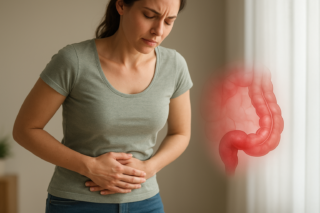
When you experience constipation, it’s natural to wonder if it could signal something more serious, such as appendicitis. It’s crucial to understand the relationship between these symptoms to know when to be concerned and seek medical attention. So, is constipation a sign of appendicitis? While constipation can occur in the presence of appendicitis, it is not an exclusive or definitive symptom of the condition. Appendicitis typically involves a combination of symptoms that may require prompt evaluation by a healthcare professional.
Recognizing a Possible Connection
People often experience abdominal pain and discomfort with constipation. When this happens, it’s easy to worry about conditions such as appendicitis. Appendicitis occurs when the appendix becomes inflamed, leading to severe abdominal pain. This pain usually starts around the belly button and then shifts to the lower right abdomen. If you have constipation combined with these specific pain patterns, it could indicate appendicitis, especially when accompanied by other symptoms like fever, nausea, or vomiting.
When to Seek Care
It’s essential to know when to seek medical advice for constipation and potential appendicitis. If you experience sudden, severe abdominal pain, particularly in the lower right quadrant, along with symptoms such as fever, nausea, or vomiting, seek immediate medical attention. A healthcare provider, often a gastroenterologist or a surgeon, can perform the necessary tests to determine if appendicitis is present and provide appropriate treatment.
Exploring Common Misconceptions
Many mistakenly believe that constipation alone is a definitive indicator of appendicitis. In reality, constipation can result from various factors, including diet, dehydration, and lifestyle changes. While it may be present when appendicitis occurs, it is not an exclusive symptom of appendicitis. This misunderstanding can lead to either unnecessary panic or a delay in seeking timely medical evaluation.
Encouraging Healthy Digestive Habits
Maintaining healthy bowel habits can help alleviate constipation and support overall digestive health. Eating a diet high in fiber, staying hydrated, and engaging in regular physical activity can significantly impact bowel regularity. If constipation persists, consult a healthcare provider to discuss potential causes and treatment options. Information from MedlinePlus on constipation can offer additional insights into managing this condition.
Practical Medication Insights
If you’re concerned about appendicitis, understanding medication-related considerations is crucial. Individuals on medications for other gastrointestinal conditions should not stop or change these without consulting a healthcare provider. Some medications may have side effects that include constipation, so talking to a doctor about potential adjustments or alternatives can provide relief without compromising health. Always discuss symptoms or concerns with your healthcare provider to determine the best course of action.
Takeaways
- Constipation is not a definitive sign of appendicitis but may coexist with it.
- Look for additional symptoms like severe abdominal pain, fever, and nausea to assess appendicitis risks.
- Consult a healthcare professional if you experience unusual or severe symptoms.
- Maintain a balanced diet and hydration to support digestive health.
- Consult your doctor before making changes to medication related to digestive symptoms.
Common Questions
Is constipation a reliable indicator of appendicitis?
Constipation is not a reliable indicator of appendicitis. Appendicitis typically involves severe pain, particularly in the lower right abdomen, nausea, and fever, rather than just constipation.
When should I see a doctor for constipation and abdominal pain?
If you experience sudden and severe abdominal pain, especially in the lower right area, along with nausea, vomiting, or fever, it is crucial to seek medical attention. These symptoms may indicate appendicitis, which requires prompt evaluation and treatment.
What kind of healthcare provider should I see for appendicitis concerns?
If you suspect appendicitis, consult a primary care physician for an initial evaluation. They may refer you to a gastroenterologist or surgeon for further evaluation and treatment if necessary.
How can I prevent constipation?
Preventing constipation often involves lifestyle and dietary adjustments. Incorporating fiber-rich foods into your diet, staying hydrated, and engaging in regular exercise can promote healthy bowel movements.
What should I discuss with my doctor regarding appendicitis?
Speak with your doctor about any symptoms you have, such as abdominal pain, constipation, and digestion issues. Discuss your medical history, current medications, and any concerns about potential complications to tailor a suitable evaluation or treatment plan.
Other Articles You May Find of Interest...
- Why You Get Stomach Bloating and Gas After Eating Meat
- Why Does Chick-fil-A Make My Stomach Hurt?
- Dr. Omar Marar on the Evolution of Modern Colorectal Surgery
- Pain Where Your Appendix Was Removed Years Ago: Possible Causes
- Why Multi-Strain Probiotics May Offer Broader Digestive Support
- What a Healthy Colon Looks Like During Colonoscopy
- A Better Digestive Rhythm: Everyday Habits for Preventing Occasional Constipation