






More Epigenetics Articles
Managing Parulis: Symptoms, Causes, and Treatment Options for Oral Health
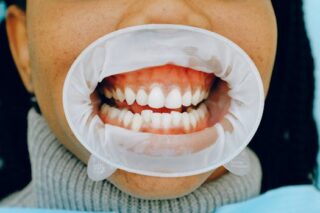
A parulis, often referred to as a “gum boil,” is a small nodule that may appear in the mouth, specifically on the gums. Typically indicative of an underlying dental issue, it results from infection and may contain pus. Recognizing the symptoms and understanding the causes are crucial in ensuring proper treatment and maintaining oral health.
Understanding Parulis
The term “parulis” describes a localized swelling on the gum that is often painful and sensitive to touch. The condition may be alarming, especially if it appears abruptly, but it is generally a symptom of a more profound dental issue.
Common Symptoms of Parulis
Symptoms of a parulis can vary depending on the underlying cause but often include:
- Pain or discomfort around the affected area
- Redness and swelling on the gum
- Pus or discharge when pressure is applied
- A noticeable change in gum texture or color
If you experience any of these symptoms, it’s important to consult a dental professional. In some cases, a parulis may be a sign of a dental abscess, which requires prompt treatment to prevent further complications.
Causes of Parulis
Parulis is often associated with an infection in the tooth or gums. The most common cause is the accumulation of bacteria that leads to an abscess. Other potential causes include:
- Poor oral hygiene
- Tooth decay or cavities
- Injuries to the teeth or gums
- Untreated gum disease
An untreated infection can spread from the tooth to the surrounding tissues, forming a parulis as the body attempts to contain the infection.
Diagnosing Parulis
Diagnosing a parulis typically involves a clinical examination by a dentist. They may probe the gum area for swelling or tenderness and check for any signs of pus. Sometimes, X-rays are necessary to identify the source of the infection, especially if the infection has extended deep into the tooth root.
Treatment Options for Parulis
Treating a parulis involves addressing the underlying infection to alleviate symptoms and prevent recurrence. Here are some common treatments:
Dental Procedures
In many cases, a dentist will perform procedures to remove the source of infection. This might include a root canal treatment or extraction of the affected tooth if it is beyond saving. In some cases, incisions may be made to drain pus.
Medications
Antibiotics can be prescribed to eliminate the bacterial infection. Pain relief medications might also be recommended to manage discomfort. Always consult your dentist before taking any medication.
Preventive Measures
Proper dental care is essential in preventing parulis formation. Regular brushing, flossing, and dental check-ups can help maintain oral health. For more tips on dental health, you can explore how women manage specific dental conditions in this informative article.
If you’re further interested in how medical professionals approach similar conditions, the health outline on Wikipedia provides additional credible insights.
Takeaways
- Parulis is a symptom of underlying dental issues.
- Symptoms include swelling, pain, and pus discharge.
- Treatment involves addressing the infection source.
- Maintaining oral hygiene can prevent parulis.
- Consult a professional if symptoms persist.
FAQ
What is a parulis?
A parulis, also known as a gum boil, is a swelling on the gums associated with an underlying dental infection.
How is parulis treated?
Treatment often includes draining the pus, antibiotics to clear the infection, and addressing the primary dental issue.
Can I prevent parulis?
Yes, maintaining good oral hygiene and regular dental visits can help prevent the conditions that lead to parulis.
Is parulis painful?
Parulis can be painful, especially when pressure is applied to the affected area.
Should I see a dentist for parulis?
Yes, consulting a dentist is essential to treat the condition and prevent further complications effectively.
Understanding what a parulis is and taking appropriate healthcare measures can significantly contribute to maintaining optimal oral health. If you have concerns about parulis or any dental issues, a healthcare professional can provide personalized advice.
Other Articles You May Find of Interest...
- How a Biological Age Test Can Help You Understand Your Health
- The Immutable Nature of Hereditary Conditions: Understanding Why Change Isn’t Possible
- Unlocking the Secrets of the Einthoven Triangle for Heart Health
- Understanding the Implications of R91.1 in Health Diagnostics
- Unveiling the Role of DNA Antibodies in Autoimmune Disorders
- Exploring the Benefits and Risks of the EBUS Procedure
- Unraveling the Impacts of the JAK2 Gene Mutation on Your Health





