






More Ear, Nose & Throat Articles
Is It Safe to Use Peroxide in Your Ear for Wax Removal and Infections?
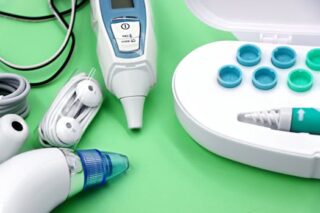
Dealing with ear wax buildup can be frustrating. Many people have turned to using peroxide in ear treatments as a common home remedy for wax removal. Some even consider it for ear infections. But is it safe and effective? Understanding how hydrogen peroxide works in such cases is essential before trying it yourself.
Peroxide in Ear: Best Practices for Wax Removal
Hydrogen peroxide, commonly referred to as H2O2, is a familiar sight in households for its antiseptic properties. When it comes to ear wax, some individuals use it in an effort to soften and remove excess wax. The bubbling action of peroxide helps break down hardened wax, making it easier to flush out. However, using peroxide for ear wax removal should be approached with caution. Overuse or improper usage can lead to ear irritation or further blockages.
For safe usage, it’s recommended to lay your head on its side and place a few drops of diluted peroxide in the affected ear—typically a mixture of half water and half peroxide. Allow the solution to fizz and bubble for a few minutes, then tilt your head to let the liquid drain out. Use a clean towel to catch any excess liquid.
When to Seek Care
If you experience pain, discomfort, or hearing loss persistently, it’s crucial to consult a healthcare professional, such as an audiologist or an ENT (ear, nose, throat) specialist. Self-managing with peroxide may not be safe for everyone, especially if there’s a risk of an underlying ear condition that requires medical attention. Additionally, if you’re unsure whether you have an ear infection or just wax buildup, professional evaluation is advised.
Hydrogen Peroxide in Ear for Infections: Caution Ahead
While hydrogen peroxide is commonly cited for its antibacterial properties, using it for ear infections at home is generally not advised without guidance from a healthcare provider. Ear infections can sometimes worsen or cause complications if improperly treated, and self-diagnosing an infection can be challenging. It’s essential for a medical professional to determine the cause of the infection and recommend appropriate treatment. Antibiotics or specific ear drops may be necessary, which a healthcare provider can prescribe.
Beyond Ear Care: Lifestyle and Health
Maintaining overall health can sometimes influence ear health as well. Conditions like obesity and diabetes can potentially impact ear function and health. Addressing lifestyle factors such as diet and exercise not only benefit your general well-being but might also support ear health in the long run. Consider learning more about healthy lifestyle approaches that can have a positive effect beyond just your ears.
Common Questions
When should I stop using peroxide and consult a doctor?
If you experience any persistent symptoms like pain, discomfort, or hearing difficulties, stop using the peroxide treatment and see a healthcare professional. Unresolved symptoms may require a thorough examination.
Can the peroxide treatment worsen my condition?
Yes, using hydrogen peroxide incorrectly or excessively might irritate the ear canal or exacerbate an existing condition. It’s crucial to follow safe, recommended practices and consult a healthcare provider for persistent issues.
Are there any alternatives to using peroxide for ear wax removal?
Besides peroxide, saline solutions or mineral oils can be gentler alternatives for ear cleaning. It’s also possible to have professional ear wax removal conducted by a healthcare provider if self-removal seems risky.
What should I do if I suspect an ear infection?
If you believe you have an ear infection, it’s best to consult your primary care physician or an ENT specialist. They can properly diagnose and provide the necessary medical treatment, which may include antibiotics.
- Using peroxide in ears should be done correctly to avoid irritation.
- Consult a healthcare provider if symptoms persist after self-treatment.
- Hydrogen peroxide is not generally recommended for treating ear infections without professional advice.
- Consider professional ear cleaning if self-treatment seems ineffective.
- Look into lifestyle adjustments that might benefit overall ear health.
Managing ear wax and related concerns can sometimes be safely approached using hydrogen peroxide, but understanding when professional medical advice is necessary is important. The decision to use peroxide in ear treatments should always be balanced with caution and an understanding of the potential for needing clinical evaluation.
For more comprehensive health information and advice, you can visit MedlinePlus, a trusted resource for health education.
Other Articles You May Find of Interest...
- Why Your Singing Voice Sounds Raspy
- Frequent Ear Infections? What You Should Know About Recurring Problems
- What Happens if a Sinus Infection Goes Untreated?
- When Persistent Sinus Symptoms Need an ENT Evaluation
- How Long Does Alcohol-Induced Vertigo Last?
- Can an Eardrum Rupture With Ear Tubes in Place?
- The Larynx, Also Known as the Voice Box





