More Ear, Nose & Throat Articles
Causes and Solutions for a Swollen Earlobe: What You Need to Know
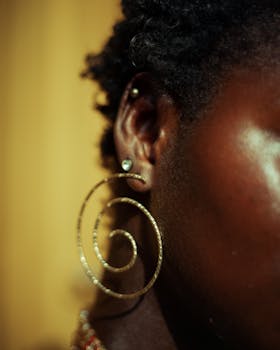
You wake up one morning and notice your earlobe feels a bit tender. As you brush your hair, you realize it’s swollen and slightly warm to touch. A swollen earlobe can be an unsettling discovery, often prompting concern about its cause and what to do next.
Causes of a Swollen Earlobe
There are several reasons why an earlobe might swell. A common cause is an infection, possibly due to recent ear piercing or injury. Bacterial or fungal infections can lead to redness, warmth, and swelling. Allergic reactions to metals in earrings or certain hair products can also result in swelling.
Injury or trauma to the ear, such as from a sharp object or even rough handling, can cause the earlobe to become swollen and bruised. Additionally, an insect bite or sting in the area might lead to swelling. In some cases, cysts or skin conditions like eczema can be the culprits.
Managing Symptoms at Home
If your swollen earlobe is minor, home remedies can provide relief. Applying a cold compress can reduce swelling and provide soothing comfort. Over-the-counter anti-inflammatory medications may help diminish swelling and pain.
For allergic reactions, removing earrings or potential irritants and using anti-allergy medications can aid recovery. Keeping the area clean is vital, especially if the swelling is due to an infection or piercing. In these instances, using an antiseptic solution can help prevent further infection.
When to Seek Care
It’s important to monitor your symptoms closely. If the swelling persists for more than a few days, or if it’s accompanied by severe pain, fever, or pus, it may be time to see a healthcare professional. An ear, nose, and throat specialist (ENT) or a dermatologist can offer specialized care. Additionally, if you frequently struggle with infections after ear piercings, consultation with a doctor may be beneficial to discuss prevention methods.
Navigating Treatments: Practical Expectations
When dealing with a swollen earlobe, understanding the treatment journey can ease anxiety. For bacterial infections, antibiotics may be prescribed by your doctor. It’s essential to complete the entire course, even if symptoms improve. If an allergic reaction is identified, your doctor may suggest avoiding certain materials and experimenting with hypoallergenic options.
Cysts or skin conditions might require more targeted treatments, including potential removal of the cyst or topical medications to manage skin flare-ups. Always discuss any concerns or side effects with your clinician.
How Lifestyle Choices Impact Recovery
Everyday habits can influence your recovery from a swollen earlobe. Stress management, diet, and hygiene all play roles. Maintaining a balanced diet and staying hydrated supports your body’s immune response. For more insights into how lifestyle impacts your overall health, visit our article on lifestyle choices and health.
Takeaways
- Swollen earlobes can result from infections, allergies, injuries, or insect bites.
- Home remedies include cold compresses and over-the-counter medications.
- Seek medical care if symptoms persist or worsen.
- Lifestyle choices like diet and stress management can aid recovery.
- Consult a doctor for personalized advice and treatment options.
Common Questions
When should I see a doctor for a swollen earlobe?
If the earlobe remains swollen beyond a few days, is accompanied by severe pain or fever, or has pus, it’s beneficial to consult with a healthcare provider.
What type of healthcare provider should I consult?
An ear, nose, and throat specialist (ENT) or a dermatologist can provide expert care for persistent or severe earlobe swelling.
How can I prevent a swollen earlobe after getting my ears pierced?
Avoid swimming in pools or using non-hypoallergenic metals until the piercing heals completely. Clean the area twice daily using antiseptic solutions.
Can stress contribute to my symptoms?
While stress itself may not directly cause a swollen earlobe, it can compromise your immune system, making infections or allergies more likely to occur.
Are there any specific materials or substances to avoid?
To minimize the risk of allergies, consider avoiding earrings made of nickel or other known irritants. Opt for hypoallergenic materials instead.
Understanding and addressing the causes of a swollen earlobe can help you manage the condition effectively. For further detailed information on general health topics, visit this page for more resources.
Other Articles You May Find of Interest...
- Why Your Singing Voice Sounds Raspy
- Frequent Ear Infections? What You Should Know About Recurring Problems
- What Happens if a Sinus Infection Goes Untreated?
- When Persistent Sinus Symptoms Need an ENT Evaluation
- How Long Does Alcohol-Induced Vertigo Last?
- Can an Eardrum Rupture With Ear Tubes in Place?
- The Larynx, Also Known as the Voice Box