






More Dental Health Articles
How to Choose the Right Pediatric Dentist for Your Child
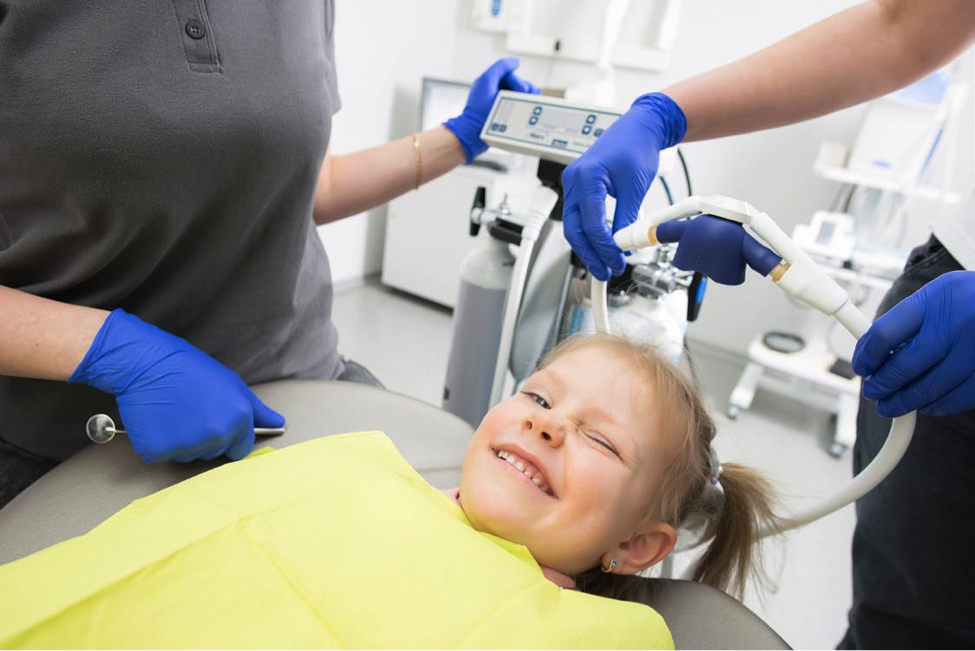
Taking a child to the dentist isn’t just another appointment. It’s usually one of the first real healthcare experiences they remember. That first impression matters more than most parents expect. If it goes well, kids grow up seeing dental care as normal. If it doesn’t, fear can stick for years.
A lot of parents assume all dentists offer the same kind of care, just smaller chairs and maybe a few toys in the waiting room. But that’s not really how it works. Children need a different approach. Not just technically, but emotionally too. They need patience, clear explanations, and an environment that doesn’t feel intimidating.
Choosing the right pediatric dentist isn’t about picking the closest office or the one with the best reviews. It’s more personal than that. It’s about finding someone your child feels comfortable with, someone who understands how kids think, react, and learn. That’s where the real difference shows up.
What Makes a Pediatric Dental Practice Different?
Pediatric dental care isn’t just general dentistry with smaller tools. It’s built around how children grow, both physically and emotionally. Dentists who focus on kids go through additional training to understand development, behavior, and how to manage anxiety during visits.
That difference shows up right away. The way procedures are explained, the tone used, and even how long an appointment lasts. It’s all adjusted for younger patients. Instead of rushing through treatment, there’s more attention to how the child is responding in the moment.
Parents often notice this when comparing offices. Some places feel clinical and rushed. Others feel slower, more intentional. For example, families looking for a more child-focused experience sometimes prefer professionals like Tribeca Dental Studio 4Kids, where the emphasis is on creating a calm, welcoming environment while offering specialized pediatric care that supports both comfort and long-term dental health.
That kind of setup matters. Kids don’t just need treatment. They need to feel safe while getting it. When a dentist understands that, appointments become easier over time instead of harder.
A Comfortable and Child-Friendly Environment
The setting plays a bigger role than most people think. Adults can sit in a plain room and deal with it. Kids react differently. A cold, quiet space can make them tense before anything even starts.
A child-friendly office feels different from the moment you walk in. Brighter colors, simple distractions, maybe a play area, or something to focus on while waiting. These aren’t just nice extras. They help reduce stress.
Inside the treatment room, small details matter too. Friendly staff, calm voices, tools that don’t feel overwhelming. Even though things are introduced slowly instead of all at once, they can change how a child responds.
If a child feels comfortable early on, future visits get easier. If they feel uneasy, that tension tends to build over time.
Communication Style and Approach to Care
How a dentist talks to a child can make or break the experience. It’s not just about explaining what’s happening. It’s about how it’s explained.
Kids don’t respond well to technical language or rushed instructions. They need simple words, a steady tone, and time to process what’s being said. A good pediatric dentist knows how to adjust their communication depending on the child’s age and comfort level.
Parents are part of this, too. Clear communication with them matters just as much. They need to understand what’s being done, why it’s necessary, and what to expect afterward.
When communication works well, everything else becomes smoother. Kids cooperate more. Parents feel more confident. The whole visit feels less stressful.
Preventive Focus and Education
Pediatric dentistry isn’t only about fixing problems. A big part of it is preventing them in the first place.
Regular check-ups, cleanings, and simple treatments like fluoride help keep teeth healthy before issues develop. But beyond that, education plays a big role. Kids learn how to brush properly, how to take care of their teeth, and why it matters.
Parents get guidance too. Things like diet, habits, and early warning signs are easier to manage when you know what to look for.
This preventive approach saves time and stress later. It’s easier to maintain healthy teeth than to fix damaged ones.
Experience with Anxiety and Special Needs
Not every child walks into a dental office feeling calm. Some are nervous. Others are scared before anything even happens. That’s normal.
A pediatric dentist needs to be ready for that. It’s not just about patience—it’s about knowing how to respond. Distraction techniques, slow introductions, and giving the child a sense of control. These small things can make a big difference.
Some children need extra support. Whether it’s anxiety, sensory sensitivity, or other needs, the dentist’s experience matters. Not every office is equipped to handle that well.
When a dentist understands different behaviors and adapts to them, the experience improves. It doesn’t remove fear instantly, but it makes it manageable.
Practical Factors: Location, Scheduling, and Accessibility
Comfort and care matter, but practical details still play a role. If getting to the office is difficult or scheduling is limited, it becomes harder to keep up with regular visits.
Convenient location helps, especially for routine check-ups. Flexible scheduling makes it easier for parents to manage school, work, and other responsibilities.
Availability is another factor. If something unexpected happens, knowing you can get an appointment without a long wait matters.
These details don’t define the quality of care, but they support consistency. And consistency is key when it comes to maintaining dental health.
Choosing a pediatric dentist isn’t just about qualifications or location. It’s about finding someone who fits your child. Someone who understands how to make them feel comfortable while still providing proper care.
The right experience early on shapes how kids see dental visits for years. A positive start builds confidence. It makes routine care feel normal instead of stressful.
There’s no perfect checklist that guarantees the right choice. But paying attention to the environment, communication, and how your child responds can guide the decision.
In the end, the goal is simple. A place where your child feels safe, understood, and willing to come back without hesitation.
Other Articles You May Find of Interest...
- Can Gum Disease Cause Bad Breath?
- Botox at the Dentist? A Northern Virginia Patient FAQ About Uses, Safety, and What to Expect
- Why Your Teeth May Look Healthy but Still Need Dental Attention
- What Goes Into Developing an Alcohol-Free Mouthwash Beyond the Ingredient List
- 6 Best Dentist Options in Reston, Virginia for Family, Cosmetic, and Emergency Care
- Why Comprehensive Dental Care Matters at Every Stage of Life
- Why Preventive Dental Care Matters at Every Stage of Life





