More Dental Health Articles
How Oral Health Influences Overall Wellness
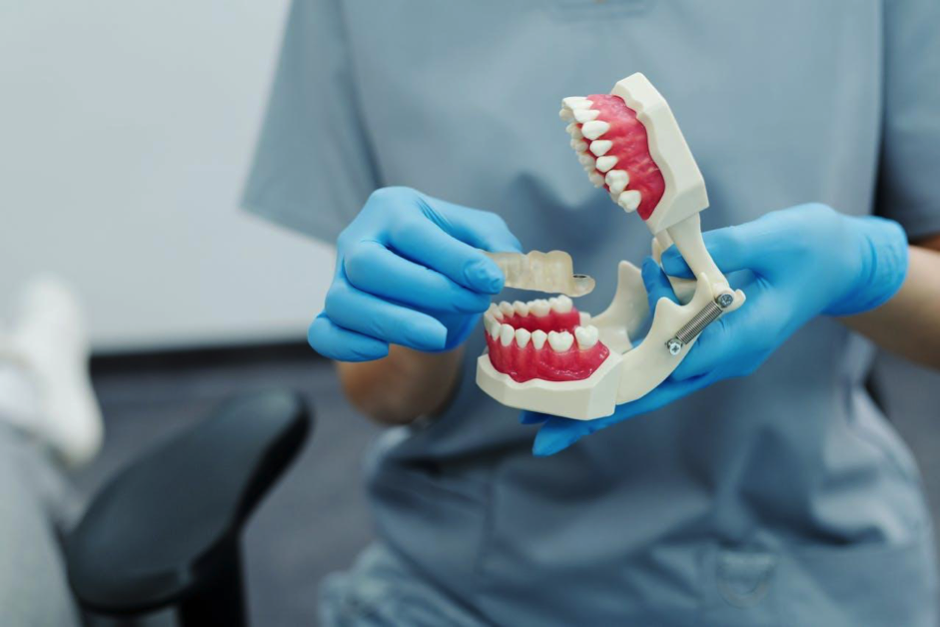
People often notice oral health only when discomfort appears. A sudden toothache, bleeding gums or those why-does-my-jaw-feel-tight thoughts during busy mornings usually push dental care back into focus very quickly. What is less obvious is how strongly oral health affects the rest of the body even during ordinary days when no major symptoms seem present.
In communities such as Norwich, CT, where busy schedules often make preventive care easy to postpone, more families are starting to recognize how closely oral health is tied to overall wellness. Dental care is no longer being viewed only through a cosmetic lens because issues involving the teeth and gums can quietly influence comfort, confidence and everyday physical health.
The condition of the mouth often reflects broader health patterns. Stress, nutrition and daily habits quietly influence oral health while dental issues can also affect sleep, concentration and emotional comfort. Have you ever noticed how difficult it becomes to focus on anything else when even mild dental discomfort appears?
Small Dental Problems Rarely Stay Small
Oral health issues are often ignored during the beginning because symptoms may seem manageable at first. Mild crowding, jaw tension and discomfort while chewing can gradually become part of everyday routines without people fully realizing how much those problems affect comfort and confidence.
Alignment concerns are one example that tends to influence both appearance and physical comfort. Crooked teeth or bite issues may create uneven pressure on the jaw while also making cleaning more difficult during regular brushing and flossing routines. Invisalign treatment is often considered by individuals looking for a more discreet way to address alignment problems without heavily affecting daily routines. If you are dealing with similar issues, look up orthodontist Invisalign Norwich to get in touch with the best experts. Preventive dental care is becoming more important because small issues often develop into larger complications when ignored for long periods.
Problems connected to gum health, alignment or plaque buildup may eventually affect speech, eating habits and overall confidence during social situations.
For example, someone experiencing jaw tightness may begin avoiding certain foods because chewing becomes uncomfortable. Another individual dealing with crowded teeth might struggle to maintain proper cleaning habits because certain areas remain difficult to reach consistently.
Oral discomfort also affects emotional well-being. People often become more self-conscious during conversations or avoid smiling naturally when dental concerns remain untreated for extended periods.
The Mouth Reflects Overall Health Quietly
The condition of the mouth often reveals broader health patterns surprisingly quickly. Stress, dehydration and poor sleep habits can influence oral health in ways that are not always immediately recognized.
Dry mouth, teeth grinding and gum sensitivity are commonly connected to stress and exhaustion. These issues may appear gradually though they often indicate that the body is struggling with broader physical or emotional pressure underneath the surface.
Nutrition also plays a major role in oral health. Diets high in sugar or acidic foods may increase sensitivity and plaque buildup while inconsistent hydration can contribute to discomfort and dryness throughout the day.
Several daily habits commonly support stronger oral health and overall wellness:
- Maintaining consistent brushing and flossing routines
- Staying hydrated throughout the day
- Scheduling preventive dental visits regularly
- Limiting habits that contribute to enamel damage
- Paying attention to jaw discomfort and bite changes
These habits may appear basic though they strongly influence long-term comfort and wellness.
Would people approach dental care differently if they viewed the mouth as part of overall health instead of a separate issue entirely? That perspective is already beginning to shift for many families.
Confidence And Wellness Often Work Together
Oral health influences emotional confidence more than many people openly discuss. Smiling, speaking and eating are deeply connected to social interaction, which means dental discomfort often affects daily confidence quietly.
People who feel uncomfortable about their teeth may begin hiding smiles during photographs or avoiding conversations in professional settings. These reactions usually happen gradually because emotional discomfort builds slowly when dental concerns remain unresolved.
For example, someone struggling with visible alignment issues may feel hesitant during presentations or social gatherings even when their professional skills remain strong. Another individual dealing with chronic gum discomfort may become frustrated because eating and speaking no longer feel effortless during normal routines.
Long-Term Wellness Depends On Consistency
Oral health is strongly connected to long-term wellness because habits repeated daily influence physical comfort far more than occasional treatments alone. Consistency matters because dental problems often develop gradually instead of appearing all at once.
Preventive care is increasingly being prioritized because people recognize that waiting for severe discomfort usually creates larger complications later. Early treatment and regular monitoring often reduce both emotional stress and long-term health expenses.
Sleep quality can also be affected by oral health more than many people expect. Teeth grinding, jaw tension and untreated alignment problems may contribute to interrupted rest or facial discomfort during the night. These issues often affect daytime energy and concentration without obvious connections being made initially.
Technology has improved dental care experiences significantly as well. Modern orthodontic options, imaging systems and preventive treatments allow patients to address concerns earlier and more comfortably than before.
Professional guidance has become especially valuable because dental issues are not always easy to identify independently. Small bite changes or gum irritation may seem minor though they often indicate larger concerns developing gradually underneath the surface.
Could overall wellness truly feel complete if daily discomfort continues affecting eating, speaking or sleeping routines? Many people eventually realize the answer is no.
Healthy Smiles Support Healthier Lives
Oral health influences overall wellness in ways that extend far beyond appearance alone. Comfort, confidence and physical well-being are all affected by the condition of the teeth, gums and jaw throughout everyday life.
Small habits repeated consistently often create the biggest long-term impact. Preventive care, hydration and regular dental attention reduce stress while supporting stronger physical comfort during ordinary routines. These efforts may seem minor individually though together they shape long-term wellness significantly.
Modern wellness conversations increasingly include oral health because people are recognizing how closely connected the mouth is to emotional and physical balance. Confidence improves, routines feel easier and discomfort becomes less disruptive when dental concerns are addressed early instead of ignored.
The healthiest routines are usually the ones that support real daily life quietly. Oral care may not always seem urgent during busy periods though its influence on comfort, confidence and overall wellness is felt much more deeply than many people initially realize.
Other Articles You May Find of Interest...
- What Goes Into Developing an Alcohol-Free Mouthwash Beyond the Ingredient List
- 6 Best Dentist Options in Reston, Virginia for Family, Cosmetic, and Emergency Care
- Why Comprehensive Dental Care Matters at Every Stage of Life
- Why Preventive Dental Care Matters at Every Stage of Life
- Colored Braces: A Practical Guide for Teens and Parents in the UAE
- Brushing Teeth for Kids: Secrets to Making Healthy Habits Actually Stick
- Why Preventive Dental Care Matters More Than Most People Realize