






More Child Health and Safety Articles
Recognizing the Silent Signs of Dry Drowning Symptoms
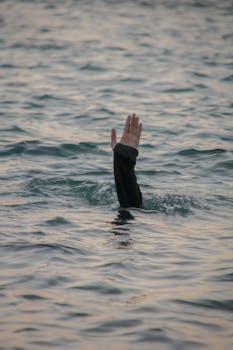
Imagine this scenario: a fun day at the pool culminates in your child coughing and feeling a bit tired. You assume it’s fatigue from a day well spent. But several hours later, the coughing worsens, and your child struggles to breathe. Could this be a case of dry drowning? Understanding the dry drowning symptoms can be crucial, particularly as these symptoms may not appear until hours after the incident.
What Are Dry Drowning Symptoms?
Unlike what the name might suggest, dry drowning doesn’t happen in water. After getting water in the lungs during a swim, water can cause irritation or inflammation, potentially leading to respiratory distress. The symptoms to look out for include persistent coughing, trouble breathing, chest pain, and unusual fatigue. In some cases, these symptoms can appear hours after leaving the water. It’s essential to monitor any unusual behavior or discomfort after swimming.
How Dry Drowning Can Affect Daily Life
Dry drowning, though rare, can cause significant disruption. It may begin with coughing that seems persistent and out of place, disrupting not only sleep but other daily activities. More severe cases may lead to hospitalization, causing anxiety for both the child and parents. Recognizing the potentially delayed symptoms is vital to getting timely care.
When to Seek Care
While dry drowning symptoms can be alarming, not every cough or breathlessness after swimming is a cause for panic. However, if symptoms such as persistent cough, difficulty breathing, or chest discomfort appear after water activity, it’s important to consult a healthcare provider. Pediatricians or emergency room physicians are typically well-equipped to handle such conditions. Prompt evaluation is necessary to rule out any need for further intervention.
Managing and Preventing Dry Drowning
Prevention is better than cure, and the same holds true for dry drowning. Always supervise children when they are in or near water. Encouraging swimming lessons can promote water safety and help children learn to manage accidental water intake. However, if you notice persistent symptoms after a water incident, it’s critical to seek medical advice. Handling such situations with calm and informed action can prevent complications.
Dealing with Persistent or Re-emerging Symptoms
If your child experiences dry drowning symptoms that seem to persist or re-emerge after initial improvement, it might indicate the need for further medical evaluation. During such evaluations, the healthcare provider might ask about the nature of the incident, the water involved, and the symptoms experienced. Continuous monitoring is vital to ensure symptoms do not escalate.
Why It’s Important to Remain Vigilant
Playing in water is often an enjoyable activity for children and families, but awareness of potential risks such as dry drowning should not dampen your spirits. By staying informed about the symptoms and risks, you can ensure a safe and joyous experience around water. Remember, symptoms may be subtle and are often delayed.
For additional information on health concerns, you can explore our article on recognizing symptoms of hemochromatosis. It highlights how recognizing subtle changes early can facilitate better health outcomes.
For more detailed information about respiratory conditions related to water exposure, visit the MedlinePlus website.
Takeaways
- Dry drowning symptoms can appear hours after exiting the water.
- Symptoms include persistent cough, difficulty breathing, and fatigue.
- Supervision and swimming lessons can help prevent dry drowning.
- Seek medical attention if symptoms are severe or persist.
Common Questions
What should I do if my child shows symptoms of dry drowning?
If you notice symptoms like trouble breathing or a persistent cough following a water activity, contact a healthcare professional promptly.
Can dry drowning happen in supervised situations?
Yes, it can occur even under supervision. Continuous monitoring post-swim is crucial, particularly watching for delayed symptoms.
What type of healthcare provider should we consult?
A pediatrician or an emergency room physician is ideal for evaluating and managing symptoms related to dry drowning.
Is dry drowning common?
Dry drowning is rare, but awareness and prompt action are essential when symptoms are identified.
How can I prevent dry drowning?
Ensure active supervision and encourage swimming lessons that include proper breathing techniques.
By understanding dry drowning symptoms and acting promptly, you can keep your water-bound activities safe and enjoyable for all.
Other Articles You May Find of Interest...
- Does Red 40 Cause Autism? What the Evidence Actually Shows
- Sports Physicals in 2026: What They Check, Why They Matter, and How to Know Yours Was Done Right
- Can Milk Cause Diaper Rash?
- How to Collaborate Effectively with Your Child’s Educational and Therapy Team for Autism
- 6 Vitamins for Picky Eaters to Consider in 2026
- Metabolic Disorders in Children: Symptoms, Testing, and Care
- Lambskin for Babies: 7 Things Parents Should Know





