More Cancer Awareness Articles
The Benefits of Having A Positive Blood Type for Your Health
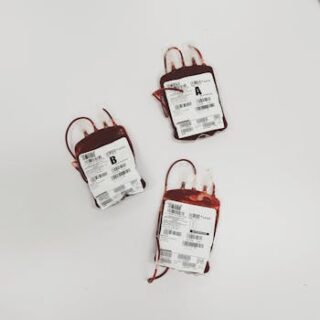
Imagine feeling constantly tired and wondering if the key to your energy level lies in your a positive blood type. While blood type might not be a daily concern, many people are curious about how being a positive blood type might influence their health and wellness. Here, we explore how this common blood type may impact health aspects like heart disease, diet, and compatibility with other blood types for transfusions.
The Unique Characteristics of A Positive Blood Type
A positive blood is one of the most common blood types worldwide, and it offers some interesting health implications. People with this blood type have antigens that can influence their body’s immune response and other physiological characteristics.
Heart Health and A Positive Blood Type
Research has shown that individuals with a positive blood type might have a slightly higher risk of heart disease compared to some other blood types. This is because the antigens present can influence factors like blood clotting and cholesterol levels.
It’s important for individuals with this blood type to maintain a heart-healthy lifestyle, which includes regular physical activity, a balanced diet, and routine medical check-ups. For insights on recognizing symptoms that could indicate heart-related issues, check out our article on gastroenterology symptoms.
Diet and A Positive Blood Type
Some dietary plans suggest tailoring your eating habits to your blood type. While there is limited scientific evidence supporting these diets, proponents suggest that individuals with a positive blood type may benefit from consuming a variety of lean proteins, vegetables, and fruits.
These foods are believed to support optimal digestion and energy levels. However, individual dietary needs can vary widely, so consulting with a healthcare provider or a dietitian is recommended before making significant changes to your diet.
Blood Donation and Compatibility
People with a positive blood type are considered universal recipients when it comes to receiving blood transfusions, as they can receive A+, A-, O+, and O- blood. This compatibility can be crucial in emergency medical situations.
However, if you have a positive blood type and are interested in being a blood donor, you can donate to individuals with A+ and AB+ blood types. Donating blood is a vital way to support community health, especially during blood shortages.
When to Seek Care
While having a positive blood type itself is not usually a cause for concern, there are certain situations where you should seek medical advice. If you experience unexplained fatigue, unusual bleeding, or any symptoms of anemia, consult a healthcare provider. They can perform blood tests to check for any underlying conditions related to your blood type.
Hematologists, who specialize in blood disorders, may provide more specific guidance and treatment if required.
Exploring Blood Type Research
Scientists are continually studying how blood types, including a positive blood, may impact various diseases and health conditions. Ongoing research is examining connections between blood type and risks for certain infections, cancers, and autoimmune disorders.
As our understanding evolves, more tailored healthcare recommendations based on blood type may become available. For current information, you can explore resources from trusted sites like the World Health Organization.
Takeaways
- A positive blood type is common and has unique health aspects.
- Maintaining a heart-healthy lifestyle is recommended for all blood types.
- Consult healthcare providers for personalized dietary and medical advice.
- A positive blood donors can help others with A+ and AB+ blood types.
- Research into blood type and health outcomes is ongoing.
Common Questions
When should I see a doctor regarding my blood type?
If you experience unusual symptoms like persistent fatigue or excessive bleeding, it’s a good idea to speak with your doctor. These could be signs of conditions that warrant medical attention.
What type of healthcare provider treats blood-related concerns?
Hematologists are specialists who diagnose and treat blood disorders. General practitioners can also provide initial assessments and refer you to specialists if necessary.
How does my blood type affect my diet?
While some suggest specific diets based on blood type, scientific evidence is limited. It’s essential to have a balanced diet and consult with a healthcare professional for personal dietary recommendations.
What are common health risks associated with a positive blood type?
Some research suggests potential links between a positive blood type and heart disease, but lifestyle factors play a significant role in managing these risks.
Can my blood type change over time?
No, your blood type remains constant throughout your life, determined by your genetics. Knowing your blood type is important for medical reasons like transfusions and pregnancy.
Other Articles You May Find of Interest...
- Can Persistent Diarrhea Be a Sign of Pancreatic Cancer?
- Chondroma: A Usually Benign Tumor of Cartilage
- How Long Do Biopsy Results Take? Typical Waiting Times and Delays
- Can Biting Your Nails Cause Cancer?
- Malignant vs. Metastatic Cancer: The Difference That Matters
- Hyperplasia vs. Dysplasia: How Abnormal Cell Changes Differ
- Neck Pain Around a Chemo Port: Normal Soreness or a Complication?