






More Beauty Skin Care & Gorgeous Smiles Articles
Is It Safe to Use Betamethasone Dipropionate on Your Face?
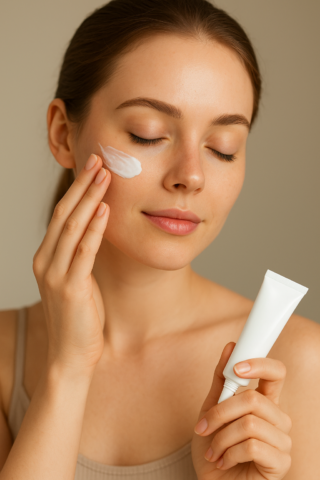
Many people who struggle with persistent skin inflammation or itchiness often wonder, “Can you use betamethasone dipropionate on your face?” This potent corticosteroid cream is primarily prescribed for inflammatory skin conditions but applying it to facial skin is a more complex subject. Here’s what you need to know to make informed decisions about facial application and care.
When and Why People Consider Using Corticosteroids on the Face
Facial skin, being more sensitive than other areas, often requires special consideration. Betamethasone dipropionate is effective for reducing inflammation and itching, prompting some to contemplate its use on facial eczema, psoriasis, or dermatitis. However, facial skin’s sensitivity makes it prone to stronger reactions and potential side effects.
Can You Use Betamethasone Dipropionate on Your Face?
While betamethasone dipropionate can provide rapid relief from uncomfortable symptoms, caution is essential. The facial area’s tenderness and frequent exposure to external factors increase the risk of skin thinning, rosacea-like symptoms, and acne development. For these reasons, most dermatologists recommend consulting a healthcare provider before using any potent steroid on the face.
Practical Concerns and Side Effects
Using topical corticosteroids like betamethasone dipropionate on the face comes with specific considerations. One possible outcome is skin thinning, especially with prolonged use. The facial skin could become more susceptible to damage or discoloration. Consequently, symptoms may worsen or alternative issues may arise.
Some people also experience rebound effects, where symptoms return more intensely after cessation. As such, a gradual tapering off may be advised to mitigate these effects, underscoring the importance of professional guidance.
When to Seek Care
If you’re considering corticosteroid use on your face, consulting a dermatologist is the first step. A dermatologist can evaluate your skin condition, providing alternatives that may be safer and equally effective for sensitive skin.
Seek immediate medical advice if you notice increased redness, burning, or swelling, as these could indicate an adverse reaction. Long-term or heavy users should also seek advice to develop a safer treatment strategy.
Clear Communication with Your Doctor
Addressing facial skin issues with a doctor should be a comprehensive discussion. Patients often ask whether they will need to stop other topical prescriptions. Additionally, understanding potential side effects specific to facial application and how they might manifest is crucial. Empowering your healthcare visits with detailed questions ensures the treatment aligns with personal health goals.
Some questions to consider include:
- How long is it safe to use this medication on sensitive areas like the face?
- Are there alternative treatments with fewer risks for facial application?
- How will the treatment interact with my existing skincare routine?
Common Questions
What facial conditions might require corticosteroid use?
People might consider it for severe eczema, psoriasis, or dermatitis flares that don’t respond to gentler treatments. Always consult a dermatologist to determine the best course.
Are there safer alternatives for facial inflammation?
Yes, milder topical options such as calcineurin inhibitors may provide relief with fewer risks on facial skin. Laser treatments or phototherapy might also be considered for specific cases.
What should I do if I notice side effects from facial corticosteroid use?
Discontinue use and seek medical advice immediately. Your dermatologist might prescribe a different treatment plan that mitigates these risks. Look out for signs like increased redness, skin thinning, or pigmentation changes.
Can lifestyle factors impact skin health on the face?
Absolutely. Factors like diet, stress management, and hygiene play significant roles. To learn more about supporting overall health through lifestyle changes, explore the insights about how lifestyle choices impact our overall health.
Where can I find reliable information on medications?
For comprehensive medication information, including betamethasone dipropionate, consult resources like the MedlinePlus Drug Information.
Takeaways
- Using potent steroids on the face requires professional guidance.
- Facial skin is more susceptible to side effects like thinning and acne.
- Gradually reducing use can prevent rebound symptoms.
- Discuss alternative treatments with a dermatologist.
- Consult reputable sources for medication details and safety.
In conclusion, can you use betamethasone dipropionate on your face? While it’s possible under strict medical supervision, exploring alternative treatments with fewer risks may often be advisable, ensuring both safety and effectiveness for sensitive facial skin.
Other Articles You May Find of Interest...
- Botox vs Dysport vs Xeomin: Which Neuromodulator Is Right for You?
- Understanding PDRN Therapy: The Science Behind Skin Barrier Repair and Tissue Regeneration
- Who Is a Suitable Candidate for Breast Augmentation?
- Peptides vs Retinoids for Sensitive Skin: Why Matrixyl 3000 and CoQ10 Are Changing the Conversation
- Whitehead or Pustule? How to Tell These Acne Bumps Apart
- What Patients Should Know About Skin Removal Surgery
- Breast Augmentation vs. Breast Lift: Understanding the Difference





