More Allergy, Asthma & Infectious Disease Articles
Unlocking Mullein Leaf: Benefits, Tea, Uses and Side Effects
The mullein plant has been part of human history since people started keeping written records and may have potential health benefits. Come and explore its traditional uses, how it is used, and modern-day scientific studies.
What is Mullein?
Mullein is the common name for numerous plants from the Verbascum genus. The most famous is Verbascum thapsus, also known as common mullein or great mullein. It is a biennial herb with large velvety leaves covered in tiny hairs and a large stalk or spike that produces small yellow flowers. Originally from Europe, it was brought to the US by early settlers and is now growing along roadsides and in disturbed areas throughout the country. The mullein herb is known for having many benefits in traditional medicines but is most famous for lung support. In 70 AD, (2000 years ago), the famous Greek physician and botanist Dioscorides explained in the De Materia Medica, that mullein is good for natural lung support, soothing skin wounds, and digestive issues.
Mullein Benefits
Mullein has been used traditionally for thousands of years to support cold and flu symptoms like runny nose, cough, and congestion. People would make a tea from the leaves or boil them and breathe in the vapors. Later, when people started creating herbal extracts and tinctures, a small droplet could be put into a cup of water or placed under the tongue. Mullein possibly acts as an antispasmodic, expectorant, anti-inflammatory, and demulcent. Meaning it may help support the lungs by relieving coughing, clearing congestion, and soothing inflammation.
Demulcent
When the sensitive nerve endings in the throat get irritated, they signal the body to cough. This is a vicious cycle that can keep getting worse because the coughing irritates the throat, causing more coughing, which contributes to inflammation in the lungs. One of the main mullein leaf benefits is that it contains a high concentration of a compound called mucilage. When mullein leaf is made into a tea, mucilage turns into a gel-like substance that can coat the throat when the tea is consumed and create a protective layer over irritated nerve endings and possibly reduce the cough reflex to assist the body in breaking this cycle.
Antispasmodic
Mullein contains the flavonoids hesperidin and rutin, plus iridoids, including aucubin. These compounds are classified as antispasmodics and anti-inflammatories. The National Institutes of Health (NIH) has been actively studying the compounds in mullein for their potential to relax the respiratory tract and reduce the spasms that lead to uncontrolled coughing.
Expectorant
The saponins verbascosaponin, ilwensisaponin, and thapsuins found in mullein are being studied for their potential to break down mucus, making it thinner, more fluid, and easier for the body to remove. Following studies done by the European Medicines Agency (EMA) and the National Institutes of Health (NIH), it is widely accepted that saponins are able to successfully break down mucus.
Anti-Inflammatory
Mullein is being studied for its potential anti-inflammatory properties. The flavonoids quercetin, apigenin, and luteolin contained in mullein are classified as antioxidants. That may have the potential to combat the oxidative stress precipitated by chronic cough and other stresses. Thus potentially reducing the inflammation associated with it.
Antimicrobial
A compound in mullein called verbascoside is being studied for its potential to inhibit the growth of some forms of bacteria and viruses. The saponins and flavonoids contained in the plant may play a supporting role. In lab tests, mullein extracts inhibited the growth of respiratory bacteria, including Klebsiella pneumoniae and Staphylococcus aureus. These tests were in vitro (test-tube) and not human trials. Much more clinical study and research need to be done to verify the potential medicinal benefits of mullein.
Mullein is also being studied for its potential to help with:
- Earaches: The extract of mullein flowers combined with garlic extract may be helpful in easing middle ear pain.
- Skin Irritation and Minor Wounds: Mullein may help reduce swelling and act as an antiseptic when applied to minor injuries.
- Gut Health: Mullein may help ease stomach cramps.
Mullein has not been approved by the FDA as a treatment for any health conditions or diseases. It is an herbal supplement. Meaning it may be used to supplement medical treatments. Respiratory issues can be serious; consult a health care professional for treatment.
How to use mullein:
Mullein Tea
Mullein tea is the most popular and many feel the best way to use mullein for lungs. Water extraction of mullein has been shown to be an effective method; it is easy to do and offers someone the opportunity to source high-quality organic mullein leaf so they know exactly what they are consuming.
How to make mullein tea:
- Use 1 to 2 teaspoons of mullein leaf or flower to 1 cup of water to make a proper mullein leaf tea.
- Bring the water to a boil and remove it from the heat.
- Add the mullein leaf or flowers and cover.
- Steep for 10 to 15 minutes.
- Allow to cool.
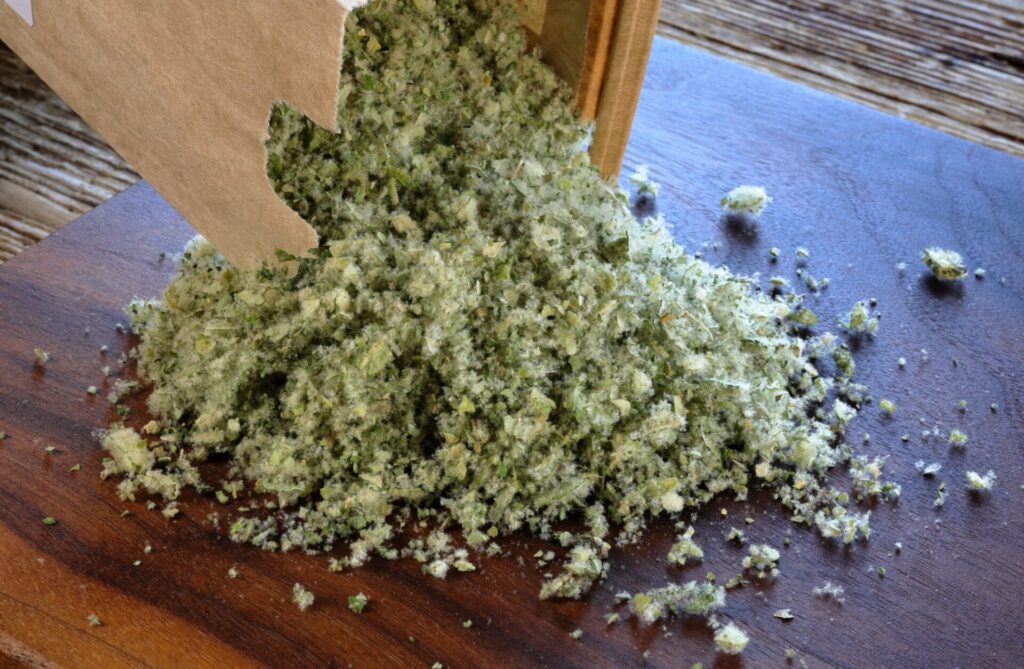
- Important: Mullein leaves are covered in small hairs that may irritate the throat. Strain through a coffee filter or cheesecloth to filter them out.
- Serve.
Flavor: High-quality mullein makes a slightly sweet, earthy-flavored tea that most people do not feel the need to sweeten. Honey can be added to sweeten the tea and provide some additional comfort to those suffering from a sore throat. To get the most mullein tea benefits, it is generally considered safe for daily use and may contribute to overall health. People suffering with cold and flu symptoms might consume one to three cups a day.
Mullein Gummies
Marketed as an alternative for people who do not like tea or swallowing pills, mullein gummies are soft, chewable little candies made by blending mullein extract with pectin or gelatin, and are often fortified with vitamin C and plant extracts like elderberry and thyme. To cover up the bitter flavor of the extracts, they are sweetened with cane sugar, tapioca syrup, or glucose syrup. Sugar-free sweeteners include stevia and sugar alcohols.
Tinctures and Liquid Extracts
A mullein tincture is made by soaking mullein leaves, flowers, or roots in alcohol, glycerin, or water for a period of time and then straining out the mullein. Most often used by putting mullein drops under the tongue or putting a few drops in a glass of water or other beverage. A liquid mullein leaf extract has a long shelf life and is known to offer fast absorption.
Capsules
Mullein capsules are filled with finely ground leaves, flowers, roots, or powdered extracts. It should be noted that capsules are absorbed in the stomach and do not result in the throat being coated with mucilage.
Mullein Oil
Is a topical ointment made by steeping the flowers or roots in virgin olive oil. Used as ear drops or applied directly to the skin.
Side Effects and Precautions
Mullein is considered safe for most people. Due to the lack of clinical studies, it is not recommended for pregnant or nursing women unless prescribed by their doctor. Mullein leaves are covered in small hairs that can irritate the skin on contact. Tea made from mullein leaves should be properly strained to avoid throat irritation. Please see the “How to make mullein tea” section for more information.
Warnings:
- Mullein seeds contain a toxin called rotenone and should not be consumed. The leaves, flowers, and roots are considered safe.
- Mullein grows wild in abundance, and many people choose to forage for it. Mullein growing along busy roads should be avoided as it can contain contaminants.
Mullein Look-alikes
There are plants that look similar to mullein, and some can be toxic, like foxglove. Someone considering wild harvesting mullein should fully educate themselves on how to identify it and its look-alikes.
Frequently Asked Questions
Where to buy mullein leaf?
Mullein is easy to find online and can now be found in grocery stores. Look for a long-standing supplier that focuses on high-quality organic herbs.
Can you smoke mullein?
Mullein is known to be a smokable herb. American Indians and early settlers are reported to have smoked it traditionally. However, smoke contains compounds that can irritate the lungs.
Can I drink mullein tea every day?
Mullein tea is considered safe to consume daily, and due to its vitamin C and flavonoid content, it may be part of a healthy diet. However, if you have any concerns or ongoing health issues, consult your healthcare provider for personalized advice.
Conclusion
Mullein may act as an antispasmodic, expectorant, anti-inflammatory, and demulcent, which would be an impressive natural weapon to use against cold and flu symptoms and could potentially support overall lung health by helping to clear congestion, soothe irritation, and reduce chronic coughing and inflammation.
- The most common way to use mullein is tea; other options include gummies, tinctures, and capsules.
- Mullein oil has been traditionally used to soothe the skin and inflammation.
- It may help relieve cold and flu symptoms.
- It has not been approved by the FDA as a treatment for any condition.
- Research into its potential benefits is ongoing.
- Consult your doctor if you plan on using mullein long term.
Other Articles You May Find of Interest...
- How to Keep Pollen Out of Your Home: Choosing an Air Purifier for Pollen
- When Should Your Child See a Pediatric Allergist? A Three-Trigger Test
- Candida sp. rRNA Results: What Molecular Testing Detects
- Ant Bites or Poison Ivy? How the Rashes Differ
- Can Stress Cause Cold Sores on the Lips?
- Gram-Positive Rods in a Blood Culture: Contamination or Infection?
- Can Head Lice Get Into Your Ears?