






More Allergy, Asthma & Infectious Disease Articles
The Role of Paco2 in Your Respiratory Health
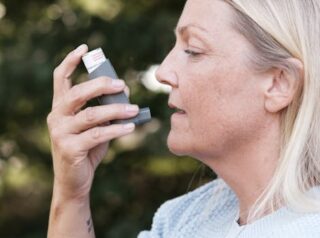
Imagine gasping for breath after taking a short walk or feeling tired after climbing just a few stairs. These situations are common for individuals dealing with issues related to blood gases, particularly paco2 levels. Understanding the role of paco2, or the partial pressure of carbon dioxide in arterial blood, is crucial for anyone concerned about their respiratory health. PacO2 is a key indicator of how well your lungs are functioning by reflecting how efficiently carbon dioxide is eliminated from the body.
Understanding Paco2 in Respiratory Health
Respiratory health is vital to maintaining overall well-being, and paco2 plays a pivotal part. This measure provides insights into lung function, especially how effectively the lungs are removing carbon dioxide from your bloodstream. When paco2 levels are too high or too low, it could signal underlying respiratory issues, such as chronic obstructive pulmonary disease (COPD), asthma, or emphysema. Monitoring this measurement can help you better understand your lung health and guide necessary medical interventions.
How Paco2 Levels Affect Daily Life
Daily activities such as walking, climbing stairs, or even talking can become challenging when paco2 levels are imbalanced. High paco2 levels, also known as hypercapnia, can cause symptoms like fatigue, shortness of breath, and confusion, affecting your ability to engage in normal activities. Conversely, low paco2 levels, or hypocapnia, can result in dizziness and tingling sensations, further impacting daily life.
For some, maintaining a healthy weight through a well-balanced diet can indirectly support better respiratory health. To explore this further, you might want to consider how a high-protein diet can contribute to weight management.
Monitoring and Managing Paco2 Levels
Regular monitoring of blood gas levels can be an important step in managing respiratory disorders. Healthcare providers often use arterial blood gas (ABG) tests to assess paco2 along with other blood gases. For individuals with chronic lung conditions, home monitoring devices are available that can help track changes in paco2 over time. Lifestyle modifications including quitting smoking, regular exercise, and dietary changes also play a role in maintaining optimal paco2 levels.
Potential Medication Considerations
Medications are often prescribed to help manage conditions related to abnormal paco2 levels. These may include bronchodilators, corticosteroids, or other respiratory drugs designed to improve lung function and reduce symptoms. It is important to discuss potential side effects with your healthcare provider to understand whether they might impact your paco2 levels. For instance, some medications might cause fluctuations in blood gas levels, so monitoring is crucial. Patients should also inquire whether they need to adjust existing medication regimens or consider alternatives based on their individual needs.
When to Seek Care
If you experience persistent symptoms like unexplained shortness of breath, persistent fatigue, or mental confusion, it’s important to seek medical evaluation. A pulmonologist, a specialist in lung health, can offer comprehensive assessments and tailored treatments. Prolonged symptoms may signify underlying issues requiring professional intervention, making timely consultations critical.
Takeaways
- Paco2 is crucial for assessing lung function and respiratory health.
- High or low paco2 levels can significantly impact daily activities.
- Lifestyle changes and medication management can help maintain healthy paco2 levels.
- Seek advice from a healthcare provider for persistent or severe symptoms.
- Regular monitoring is key for individuals with respiratory conditions.
Common Questions
When should I talk to a doctor about my paco2 levels?
If you experience persistent shortness of breath, fatigue, or other related symptoms, it’s wise to consult a healthcare provider. These could be signs that your paco2 levels are out of balance and require medical attention.
What type of healthcare provider can help manage my paco2 levels?
A pulmonologist specializes in lung conditions and is the most suitable healthcare professional to consult for managing paco2 levels. However, your primary care physician can also provide initial guidance and referrals if needed.
How are paco2 levels tested?
Paco2 levels are typically tested through an arterial blood gas (ABG) test, which measures the levels of oxygen and carbon dioxide in the blood, providing essential insights into respiratory health.
Can lifestyle changes affect my paco2 levels?
Yes, lifestyle changes such as quitting smoking, maintaining a balanced diet, and engaging in regular physical activity can positively impact paco2 levels by improving overall lung function.
Where can I find reliable information about lung health and paco2?
For more detailed information on respiratory health and paco2, consider visiting Mayo Clinic’s website, which offers comprehensive resources on various health topics.
Taking control of your respiratory health by understanding paco2 levels can lead to improved quality of life. Always consult with healthcare professionals to tailor an approach best suited to your needs and ensure optimal lung health.
Other Articles You May Find of Interest...
- How to Keep Pollen Out of Your Home: Choosing an Air Purifier for Pollen
- When Should Your Child See a Pediatric Allergist? A Three-Trigger Test
- Candida sp. rRNA Results: What Molecular Testing Detects
- Ant Bites or Poison Ivy? How the Rashes Differ
- Can Stress Cause Cold Sores on the Lips?
- Gram-Positive Rods in a Blood Culture: Contamination or Infection?
- Can Head Lice Get Into Your Ears?




