
We Treat Feet and Ankles!
610 Ninth Ave
Brunswick, MD 21716
410-363-4343
1103 North Point Blvd
Suite 424
Baltimore, MD 21224
6190 Georgetown Blvd
Suite 109
Eldersburg, MD 21784
7101 Guilford Dr
Frederick, MD 21704
525 W Middle St
Gettysburg, PA 17325
372 Mill Street
Hagerstown, MD 21740
5401 Old Court Road
Randallstown, MD 21133
20 Crossroads Drive
Suite 15
Owings Mills, MD 21117
1022 Annapolis Rd, Suite B
Odenton, MD 21113
6330 Hospital Dr
Suite 104
Rosedale, MD 21237
7505 Osler Drive
Suite 503
Towson, MD 21204
826 Washington Rd
#206
Westminster, MD 21157
1160 Varnum St NE
#012
Washington, DC 20017
More Podiatry Foot Care Articles
Style Should Not Hurt: Finding Shoes That Fit Your Feet
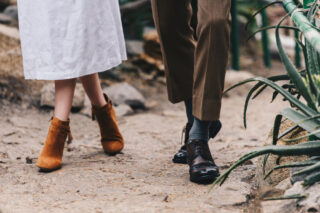
Shoes can look beautiful on the shelf and still be completely wrong for your foot. For many women, the problem is not a lack of fashionable choices. It is trying to fit a foot with a bunion, hammertoe, wide forefoot, flat arch, high arch, or swelling into a shoe designed around a narrow and generic shape.
That tradeoff often shows up later in the day. Toes begin to burn, a bunion rubs against a stiff seam, or that fullness like you have something balled up in the shoe starts. The arches are sore or the ankle in throbbing after work or dinner. The problem is bad enough to force you to take the shoes off in the car because your feet simply cannot tolerate another step.
You do not need to accept pain as the price of fashion.
The rules for buying shoes are simple. Choose shoes based on the shape of your foot. Do not choose based on the number printed inside the shoe. Sizing differs between brands. Your foot size can also change with age, pregnancy, weight changes, or injury.
Shop later in the day when your feet are more likely to be swollen. The shoe should feel comfortable when you try it on. Do not expect it to “break in” and become the right size. If it hurts when you put it on, it will hurt worse later.
Women with bunions need space across the front of the shoe. Look for a toe box that is rounded or gently squared instead of sharply pointed. The upper material should be soft enough that it does not press directly against the bump at the big-toe joint. A wider shoe is often better than buying a longer shoe. Extra length will not fix a shoe that compresses the forefoot.
For hammertoes, pay attention to shoe depth. A shoe may be wide enough but still rub the tops of curled or elevated toes. Seek styles with room above the toes and avoid stiff decorative straps, hard seams, or shallow toe boxes that land directly on the prominent area.
If you have a flat foot or a foot that rolls inward while walking, look for a stable base and a firm heel counter. That is the structured part surrounding the back of the heel. It should hold your heel without collapsing when you gently squeeze it. If you have a high arch, you may need more cushioning and a shoe that does not pinch the top of your foot.
High heels deserve special attention. A very high heel shifts body weight forward onto the ball of the foot and the toes. That can aggravate bunions, metatarsalgia, neuromas, and painful calluses. If you wear heels, save the highest pair for shorter events. Choose a wider heel and a lower height when possible. A platform may reduce the angle at the forefoot, though it does not make an overly narrow shoe fit properly.
You can still find attractive shoes that work with your foot. Look for brands that offer multiple widths, adjustable straps, soft leather, stretch panels, and removable inserts. A shoe that accommodates your foot can look polished without leaving you limping by evening. At WeTreatFeet Podiatry, we recommend a roomy toe boxes, sufficient width, stable soles, and low heels for people with bunion symptoms. Never forget to fit the shoe to the actual foot, rather than relying on a labeled size.
Persistent pain, numbness, recurrent blisters, nail trauma, or calluses are signals that your footwear and your foot mechanics need a closer look. At WeTreatFeet Podiatry, we help patients understand their foot type and identify footwear choices that reduce pressure before small problems become harder to manage.
Call and schedule an appointment with WeTreatFeet Podiatry today. We provide world-class foot and ankle care along with in-house foot and ankle disease-prevention strategies designed around the way you walk, work, and live.
Other Articles You May Find of Interest...
- Style Should Not Hurt: Finding Shoes That Fit Your Feet
- When Sinus Tarsi Syndrome Requires Surgery
- How to Help a Broken Toe Heal as Quickly and Safely as Possible
- When a Doctor Recommends Arch Support: What to Expect
- Swelling on the Bottom of Your Foot: Causes to Consider
- When Plantar Fasciitis Won’t Settle: A Podiatrist’s Treatment Options For Stubborn Heel Pain
- The ACV and Baking Soda Foot Soak: What It Does