Your Health Magazine Contributor
4201 Northview Drive
Suite 102
Bowie, MD 20716
More Home Care & Wellness Products Articles
The Health Benefits of Professional Home Cleaning: What Medical Research Reveals About Indoor Environment Quality
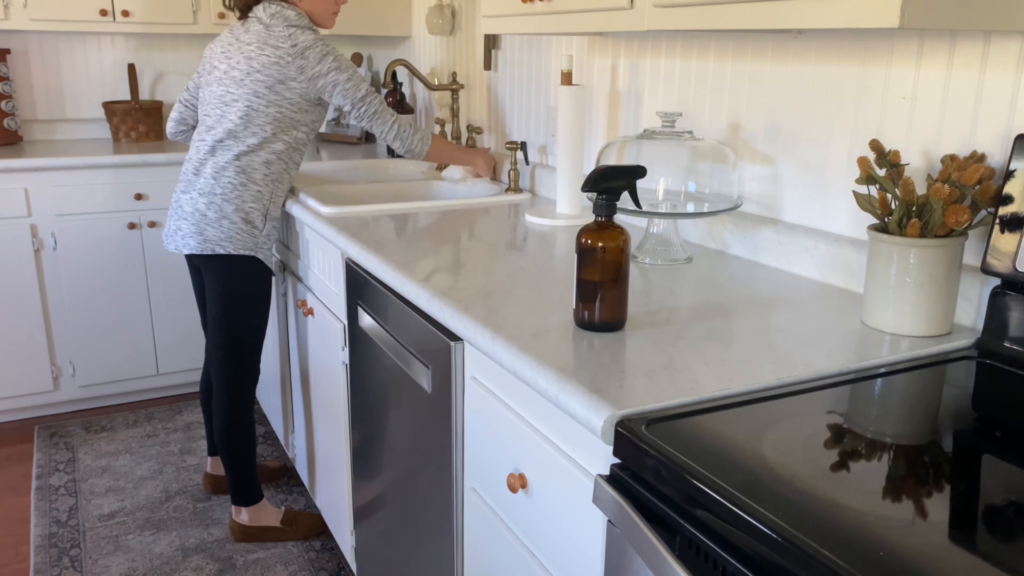
Your home environment profoundly impacts your physical and mental health in ways that extend far beyond simple aesthetics. Recent medical research has established clear connections between home cleanliness, indoor air quality, and a range of health outcomes—from respiratory function and immune response to stress levels and cognitive performance. For New York City residents navigating the environmental challenges of urban living, partnering with a professional house cleaning service New York may help reduce household dust, allergens, and other indoor contaminants as part of a broader healthy-home routine.
The Hidden Health Hazards Lurking in Urban Homes
The average urban home harbors millions of bacteria, fungi, allergens, and chemical residues that create a constant burden on the immune system. Medical researchers have documented that indoor air can be two to five times more polluted than outdoor air—a particularly concerning statistic for city dwellers who spend approximately 90% of their time indoors.
Dust mites, microscopic arthropods that feed on dead skin cells, colonize mattresses, upholstered furniture, and carpets in concentrations that can exceed 10,000 per gram of dust. These organisms and their fecal matter represent one of the most common triggers for allergic rhinitis and asthma exacerbations. A study published in the Journal of Allergy and Clinical Immunology found that consistent reduction of dust mite populations through proper cleaning techniques resulted in measurable improvements in asthma symptom scores and reduced medication requirements.
Beyond allergens, pathogenic bacteria and viruses accumulate on high-touch surfaces throughout homes. Research conducted by microbiologists has identified kitchen sponges, cutting boards, bathroom fixtures, and door handles as particular reservoirs for organisms including E. coli, Staphylococcus aureus, and various cold and flu viruses. During cold and flu season, or in the ongoing context of respiratory virus circulation, these contaminated surfaces serve as transmission vectors that increase household infection rates.
Mold represents another significant health hazard that flourishes in the humid conditions common to New York apartments, particularly in bathrooms, kitchens, and areas with poor ventilation. Exposure to mold spores and mycotoxins has been linked to respiratory symptoms, allergic reactions, and in sensitive individuals, more serious inflammatory responses. The Centers for Disease Control and Prevention identifies mold remediation through proper cleaning and moisture control as a crucial preventive health measure.
How Professional Cleaning Addresses Health Hazards More Effectively
While regular tidying provides surface-level cleanliness, professional cleaning services employ techniques, products, and expertise that address health hazards at a deeper level than most homeowners can achieve independently.
Professional cleaners understand the distinction between cleaning, sanitizing, and disinfecting—three related but distinct processes with different health implications. Cleaning removes visible dirt and some microorganisms. Sanitizing reduces bacterial counts to safe levels. Disinfecting kills specific pathogens including viruses. A comprehensive deep cleaning service New York City incorporates all three approaches in appropriate contexts, using EPA-registered products with proven efficacy against specific organisms.
The systematic approach employed by professional services ensures that areas frequently overlooked in casual cleaning receive appropriate attention. These include baseboards where dust accumulates, ventilation grates that circulate contaminated air, the seals and gaskets of appliances where bacteria proliferate, and the grout lines in bathrooms where mold establishes colonies. Studies of cleaning effectiveness consistently demonstrate that systematic, checklist-driven approaches identify and address contamination more thoroughly than ad-hoc cleaning.
Professional services also maintain access to commercial-grade equipment that proves more effective than consumer alternatives. HEPA-filtered vacuum systems capture particles as small as 0.3 microns—including pollen, pet dander, dust mite debris, and mold spores—rather than simply redistributing them into the air as many conventional vacuums do. Microfiber cleaning cloths, when properly used, physically trap bacteria and particles rather than spreading them across surfaces. Steam cleaning systems achieve temperatures that kill bacteria and dust mites without chemical agents.
The Respiratory Health Connection
The relationship between home cleanliness and respiratory health has been extensively documented in medical literature. For individuals with asthma, chronic obstructive pulmonary disease (COPD), or allergic rhinitis, indoor air quality directly influences symptom frequency and severity.
Reducing indoor allergens and particulates may benefit some people with asthma or allergic respiratory conditions. However, cleaning methods and products matter, because certain sprays and chemical cleaning agents can themselves aggravate respiratory symptoms. The health cost savings from reduced emergency visits and medication use substantially exceeded the cost of professional cleaning services.
For individuals without diagnosed respiratory conditions, cleaner indoor environments still provide measurable benefits. Research measuring lung function in healthy adults demonstrated improved spirometry readings—particularly in forced expiratory volume—after eight weeks in environments with reduced particulate loads. The researchers concluded that chronic low-level exposure to indoor air pollutants creates subclinical respiratory burden even in individuals who don’t perceive symptoms.
Children represent a particularly vulnerable population for respiratory impacts from indoor environment quality. Their developing respiratory systems, higher breathing rates relative to body size, and greater time spent in close contact with floors and carpets increase their exposure to indoor pollutants. Pediatric studies have established associations between home dust levels and childhood asthma incidence, supporting the case for professional cleaning as a pediatric preventive health measure.
Mental Health and Cognitive Benefits of Clean Environments
The connection between physical environment and mental health has gained substantial research attention in recent years. Multiple studies using validated psychological assessment tools have documented that individuals in cluttered, dirty environments experience measurably higher cortisol levels—the primary stress hormone—compared to those in clean, organized spaces.
A landmark study published in the Personality and Social Psychology Bulletin tracked stress hormones in women throughout their daily routines. Participants who described their homes as “cluttered” or “unfinished” showed flatter diurnal cortisol slopes—a pattern associated with worse health outcomes including depression, fatigue, and cardiovascular disease. Conversely, women who described their homes using positive descriptors like “restful” and “restorative” demonstrated healthier cortisol patterns.
The cognitive impacts extend beyond stress response. Research on cognitive performance in different environmental conditions has consistently shown that clean, organized environments support better focus, task completion, and executive function compared to cluttered spaces. A series of experiments at the Princeton University Neuroscience Institute used fMRI imaging to demonstrate that physical clutter in one’s surroundings competes for attention resources, reducing cognitive performance on tasks requiring focused attention.
For individuals managing depression, anxiety, or attention disorders, environmental cleanliness can significantly impact symptom management and daily functioning. Therapists frequently incorporate home environment assessment and modification into treatment plans, recognizing that a disordered physical space both reflects and perpetuates psychological distress. Professional cleaning services remove one significant barrier to environmental improvement for individuals whose mental health conditions make cleaning tasks overwhelming.
Chemical Exposure and Health-Conscious Cleaning
A counterintuitive dimension of the cleaning-health relationship involves the health risks posed by cleaning products themselves. Many conventional cleaning products contain volatile organic compounds (VOCs), respiratory irritants, endocrine disruptors, and other chemicals with documented health concerns.
Long-term research has associated frequent exposure to some cleaning products with accelerated declines in lung function, particularly among women who regularly cleaned at home or worked as professional cleaners. The researchers identified specific chemicals including quaternary ammonium compounds, chlorine bleach, and ammonia as particular respiratory hazards.
Professional cleaning services increasingly offer eco-friendly cleaning New York City options that achieve sanitation standards using plant-derived, biodegradable products without harsh chemical ingredients. These formulations have evolved substantially in recent years, with independent testing demonstrating antimicrobial efficacy matching or exceeding conventional products while eliminating exposure to concerning chemicals.
For households with children, pregnant women, elderly residents, or individuals with chemical sensitivities, the selection of cleaning products represents a significant health decision. Professional services maintain expertise in product selection and proper application techniques that maximize effectiveness while minimizing health risks—knowledge that most homeowners lack when selecting products from crowded store shelves.
Immune Function and Pathogen Control
The relationship between cleanliness and immune health involves nuance that popular understanding often misses. While the “hygiene hypothesis” suggests that some microbial exposure in childhood supports immune system development, this doesn’t negate the health value of controlling pathogenic organisms in living spaces.
Medical immunologists distinguish between beneficial microbial exposure—primarily outdoors and through social contact—and problematic exposure to pathogens and allergens concentrated in home environments. Professional disinfection services New York City target specific high-risk pathogens without creating sterile environments that might theoretically impact immune development.
During flu season, after household illness, or for immunocompromised individuals, targeted disinfection of high-touch surfaces can measurably reduce disease transmission. Studies of disease transmission in households have documented that consistent disinfection of surfaces like door handles, light switches, and bathroom fixtures reduces secondary infection rates by 30-50% when one household member becomes ill.
For elderly residents or those managing conditions that compromise immune function—including diabetes, cancer treatment, or autoimmune disorders—professional cleaning provides a health support service with medical relevance. Research in healthcare settings has extensively documented that environmental hygiene directly impacts infection rates, with principles equally applicable to home environments where vulnerable individuals reside.
Sleep Quality and Bedroom Hygiene
The bedroom environment significantly influences sleep quality, which in turn affects virtually every dimension of health from cardiovascular function to mental health to metabolic regulation. Yet bedroom cleaning often receives less attention than more visible living spaces, despite its importance to health.
Dust mite populations concentrated in mattresses, pillows, and bedding provoke allergic responses that disrupt sleep even when individuals don’t consciously wake. Studies using sleep monitoring technology demonstrate that participants in beds with reduced dust mite concentrations spend more time in restorative deep sleep stages and report better subjective sleep quality.
Professional cleaning addresses bedroom hygiene through techniques including mattress vacuuming with HEPA filtration, proper laundering of bedding at temperatures that kill dust mites, and reduction of dust accumulation on surfaces surrounding the bed. Research published in sleep medicine journals has documented measurable improvements in sleep efficiency scores following intensive bedroom cleaning interventions.
Indoor air quality in bedrooms particularly matters given the extended time spent in these spaces with reduced ventilation. Professional cleaning reduces airborne particulates and volatile organic compounds that may subtly impair sleep quality and respiratory function during sleep hours.
The Case for Professional Cleaning as Preventive Healthcare
When evaluated through a health economics lens, professional cleaning services represent a form of preventive healthcare with favorable cost-benefit ratios. The direct medical costs of treating respiratory conditions, managing allergies, addressing stress-related health impacts, and treating infectious diseases substantially exceed the cost of professional cleaning services that help prevent these conditions.
Research on indoor environmental quality suggests that reducing indoor pollutants can produce meaningful health and productivity benefits. Professional cleaning may contribute to a healthier indoor environment when it effectively reduces dust, allergens, and contaminants without introducing unnecessary chemical exposure.
For specific populations, the preventive health value proves even more pronounced. Cleaning service for seniors New York City provides health support that enables independent living, reduces fall risks from clutter, and maintains sanitary conditions that protect vulnerable immune systems. The alternative—earlier transition to assisted living or increased home healthcare needs—carries substantially higher costs.
Similarly, professional cleaning for households with children represents an investment in pediatric health. Reduced exposure to allergens and pathogens during developmental years may have lifelong health implications, while the immediate benefits include fewer sick days, reduced medication needs, and better respiratory health outcomes.
Choosing Health-Focused Professional Cleaning Services
Not all cleaning services provide equivalent health benefits. When selecting a service with health outcomes as a priority, several factors warrant consideration:
Product Selection and Transparency: Services should clearly communicate which products they use and provide options for clients concerned about chemical exposures. The best services maintain knowledge of product ingredients, EPA registration numbers for disinfectants, and allergen content.
Training in Health-Focused Techniques: Cleaners should understand proper disinfection procedures including necessary contact times for antimicrobial products, appropriate product selection for different surfaces and organisms, and techniques that remove rather than redistribute allergens and pathogens.
HEPA Filtration: Vacuum equipment with true HEPA filtration (capturing 99.97% of particles 0.3 microns or larger) represents a fundamental requirement for services claiming health benefits, as conventional vacuums release small particles back into air.
Systematic Approaches: Services following detailed checklists ensure that health-critical areas receive consistent attention rather than variable results depending on individual cleaner discretion.
Green Hands Cleaning Services Corp, operating throughout Queens, Brooklyn, and Manhattan, exemplifies a health-focused approach to professional cleaning. With comprehensive training programs, eco-friendly product options, HEPA-filtered equipment, and systematic cleaning protocols, the service addresses both visible cleanliness and the invisible health hazards that compromise indoor environment quality.
Conclusion
The growing body of medical research documenting connections between home environment and health outcomes transforms professional cleaning from a luxury service into a health intervention with measurable benefits. From respiratory function and immune health to mental well-being and sleep quality, the cleanliness and air quality of home environments influence health through multiple pathways.
For New York City residents facing the particular environmental challenges of urban living—from pollution that enters through windows to humidity that promotes mold growth to the allergen load of densely populated buildings—professional cleaning services provide expertise, equipment, and systematic approaches that substantially exceed what most individuals can achieve through their own efforts.
The health economics increasingly support professional cleaning as preventive healthcare, particularly for vulnerable populations including children, elderly individuals, and those managing chronic health conditions. When the costs of treating respiratory conditions, managing allergies, addressing stress-related health impacts, and treating preventable infections are weighed against the cost of professional cleaning services, the investment proves favorable.
As medical understanding of environmental health influences continues expanding, the role of professional cleaning services in supporting health outcomes will likely gain even greater recognition. For individuals and families prioritizing health optimization, professional home cleaning represents not an extravagance but a rational health investment supported by scientific evidence.
Other Articles You May Find of Interest...
- Why a Long Driveway Gate Can Shape Accessibility, Safety, and Healthy Home Living
- The Health Benefits of Professional Home Cleaning: What Medical Research Reveals About Indoor Environment Quality
- Moving Into a New House? Why a Water Quality Check Should Be Your First Step
- How Cleanliness Creates a More Comfortable and Healthier Home
- Planning a Home Sauna to Share
- Summer Ends, Routines Begin: Making Filtered Water Part of Your Daily Routine
- Saunas: A Practical Guide to Design, Benefits, Types, and Installation