More Dental Health Articles
How to Stay Calm During Your Next Dental Appointment

Roughly one in six adults avoids the dentist altogether because of fear — not logistics, not cost, but fear. According to a 2015 study published in *Dental Research Journal*, dental anxiety affects an estimated 36% of the population, with around 12% experiencing severe dental fear. That’s not a niche problem. It’s one of the most common barriers to routine healthcare in the world, and it has real consequences for the people living with it.
The challenge is that dental anxiety tends to feed itself. Someone skips an appointment because they’re nervous. A minor issue becomes a bigger one. The bigger issue requires a more involved procedure. The more involved procedure confirms every fear they had to begin with. Over time, that cycle becomes harder to break — and the oral health consequences compound quietly in the background.
If that pattern sounds familiar, you’re not alone, and more importantly, you’re not stuck. Managing dental anxiety isn’t about telling yourself to “just relax.” It’s about understanding what’s driving the fear, building practical coping strategies before you’re already sitting in the chair, and knowing when professional support makes sense. This article walks through all of that — the psychology behind the fear, the techniques that actually help, and what your dentist can do to make the experience easier on both ends.
Why Dental Anxiety Affects Your Dental Experience
Most people think of dental anxiety as a problem that happens *during* an appointment. The reality is that it starts much earlier — sometimes days or weeks before — and its effects extend well beyond the appointment itself.
Anticipatory anxiety is one of the most significant mechanisms at work here. When someone dreads an upcoming dental visit, they may lose sleep, have trouble concentrating, and experience physical symptoms like stomach tension or a racing heart before they’ve even walked through the door. By the time they sit in the chair, their nervous system is already primed for threat. That heightened state makes them more sensitive to discomfort, more likely to interpret neutral sensations as painful, and more likely to use avoidance as a coping mechanism in the future.
The downstream effects on oral health are substantial. People who avoid routine checkups miss early-stage interventions — the cavity caught at six months that could be treated with a simple filling, the gum inflammation identified before it progresses to periodontitis. Dental problems that go untreated because of anxiety don’t stay mild. They become more extensive, more expensive, and ironically, more anxiety-inducing to treat.
Consider someone who hasn’t been to the dentist in five years because of a bad experience with a childhood extraction. They’ve been managing tooth sensitivity at home, assuming it’ll pass. When they finally go in, what could have been a routine restoration has become a complex case requiring multiple procedures. The very anxiety that drove the avoidance has now created the exact scenario they feared most.
There’s also a psychological cost that doesn’t show up on an X-ray. Chronic dental avoidance often carries shame and embarrassment, which compounds the anxiety and makes it even harder to seek care. Recognizing this cycle early — before it escalates — is the single most important reason to address dental anxiety head-on rather than waiting until the stakes are higher.
How to Recognize Signs and Understand Causes of Dental Anxiety
Dental anxiety doesn’t always look like shaking hands or visible panic. For many adults, it shows up as repeated cancellations, difficulty sleeping the night before an appointment, or a persistent feeling of dread that they struggle to explain. Physical signs can include elevated heart rate, sweating, and nausea — but the emotional signals often come first.
It’s worth distinguishing between dental anxiety and dental phobia, because they’re not the same thing. Dental anxiety involves significant worry and apprehension around dental care. Dental phobia — sometimes classified formally as odontophobia — is a more extreme, often irrational fear that can trigger panic attacks or complete refusal of dental treatment regardless of the health consequences. Both deserve attention, but phobia typically requires professional therapeutic support rather than coping strategies alone.
Recognizing your own patterns matters because it shapes which interventions are likely to help. Someone whose anxiety is mild and situational will benefit from very different tools than someone who hasn’t seen a dentist in a decade due to paralyzing fear.
Common Triggers That Heighten Dental Anxiety
Several specific aspects of dental visits appear consistently as anxiety triggers across patient populations. Fear of pain is the most frequently cited, even among patients who haven’t had a painful procedure — anticipating pain can be just as activating as experiencing it. Loss of control is another significant trigger; being reclined in a chair, unable to see what’s happening, with instruments in your mouth creates a profound sense of vulnerability.
Past traumatic experiences — particularly those from childhood, when fear conditioning is especially powerful — frequently resurface in adult dental settings. Even a single negative encounter can create a lasting association between dental environments and danger. Sensory elements play a role too: the sound of the drill, the smell of the office, and even the sight of certain instruments can activate an anxiety response before any procedure begins.
Psychological Factors Behind Dental Anxiety
The psychological architecture of dental anxiety often overlaps with broader anxiety patterns. Fear conditioning — the process by which a neutral stimulus (a dental chair) becomes associated with a threatening one (pain or helplessness) — is a well-documented mechanism. Once that association forms, it can persist and generalize, meaning even the thought of scheduling an appointment can trigger an anxious response.
Dental anxiety also correlates with general anxiety disorders and depression, though the relationship is bidirectional: anxiety makes dental visits harder, and avoiding dental care worsens feelings of shame and loss of control. People with heightened sensitivity to interoceptive cues (meaning they’re acutely aware of their own bodily sensations) tend to experience dental procedures as more distressing, even when objective discomfort is the same as for less anxious patients.
Effective Strategies to Manage and Reduce Dental Anxiety
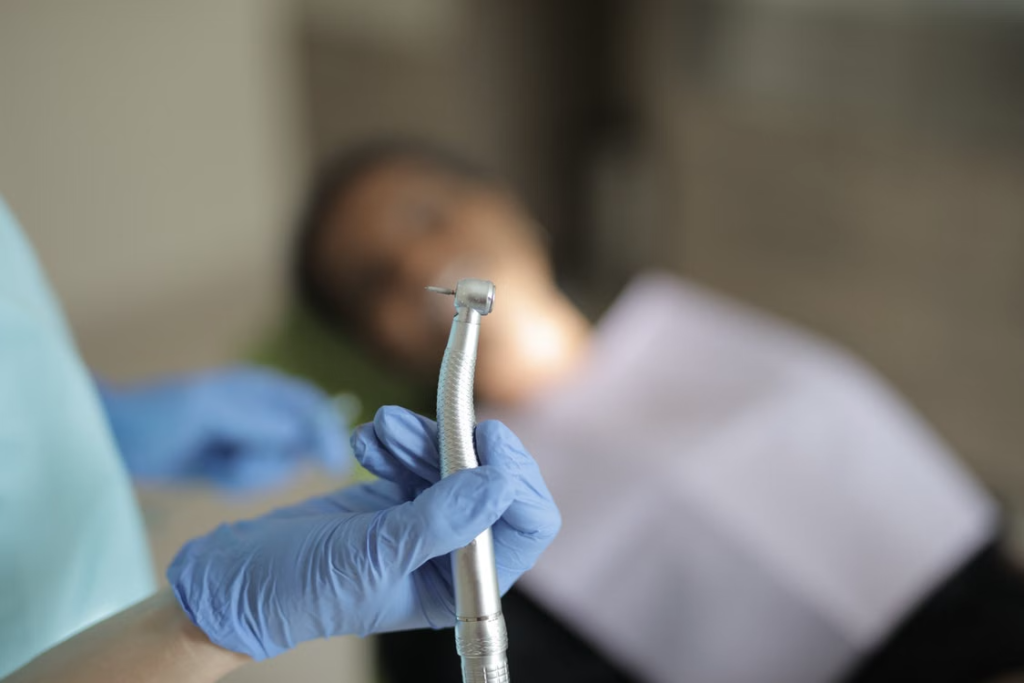
Understanding the triggers and psychology behind dental anxiety — as discussed above — creates a foundation for choosing strategies that are actually aligned with what’s driving the fear. Coping approaches that work for anticipatory anxiety differ from those that help in the chair.
Preparation Tips to Calm Anxiety Before Visits
What happens before the appointment often determines how manageable the appointment itself feels. A few evidence-informed approaches:
Scheduling strategically makes a meaningful difference. Early morning appointments mean less time to build anticipatory anxiety throughout the day. Avoiding high-stress days in your week gives your nervous system more capacity to regulate.
Communication with your dentist beforehand is one of the most underutilized tools. Calling ahead to explain your anxiety — not apologetically, but matter-of-factly — allows the dental team to adjust their approach. Many practices will walk you through the procedure in advance, agree on a stop signal (like raising a hand), or allow extra time. If you’re looking for providers experienced in patient-centered care, practices specializing in dental care in Seattle and similar urban markets have increasingly adopted anxiety-informed approaches as standard rather than exception.
Reframing the mental narrative also helps. Rather than rehearsing worst-case scenarios, some patients find it useful to rehearse the appointment going smoothly — not denial of discomfort, but a realistic, step-by-step mental preview that reduces uncertainty.
Relaxation Techniques During Dental Visits
Once you’re in the chair, the goal shifts to managing arousal in real time. Controlled diaphragmatic breathing is one of the most accessible and well-supported techniques — slow inhales through the nose, longer exhales through the mouth, which activates the parasympathetic nervous system and counteracts the physiological stress response.
Guided imagery — mentally placing yourself in a calm, familiar environment while the procedure occurs — can interrupt the anxiety feedback loop without requiring any equipment or preparation. Some patients pair this with music through earbuds, which has the dual benefit of providing distraction and reducing sensitivity to environmental triggers like drill sounds.
Progressive muscle relaxation (deliberately tensing and releasing muscle groups starting from the feet upward) can be practiced before an appointment and used briefly in the waiting room to lower baseline tension before it builds further.
How Dental Professionals Help Patients Manage Anxiety
A skilled dental team does considerably more than perform procedures — they actively manage the emotional environment of the appointment. Recognizing this shifts the dynamic from patient-as-passive to patient-as-collaborative partner.
Dentists trained in anxiety management are typically watching for behavioral and physiological cues from the moment a patient enters: white-knuckled armrests, averted eye contact, tense jaw muscles. These signals inform how they communicate, pace the appointment, and sequence procedures. Simply narrating each step before it happens — “I’m going to place the instrument near your upper left molar now” — meaningfully reduces the unpredictability that drives so much of the anxiety response.
The clinical environment itself carries weight. Practices that minimize waiting times, use softer lighting in treatment rooms, allow patients to listen to their own music, or offer weighted blankets are making evidence-informed choices about sensory management. These aren’t indulgences — they’re interventions.
Trust is also built through consistency. Patients who see the same provider over multiple visits generally show lower anxiety over time. That relationship — knowing a dentist has heard your concerns before, understands your history, and won’t dismiss your reactions — is therapeutic in its own right. If you’ve had bad experiences in the past, being upfront with a new provider at the first consultation rather than trying to manage silently often results in meaningfully different care.
What Treatment Options Exist for Persistent Dental Anxiety?
For patients whose anxiety doesn’t respond to coping strategies or supportive dentistry, evidence-based treatments exist that address the psychological roots of the fear more directly.
Cognitive behavioral therapy (CBT) has the strongest research support for dental anxiety. CBT works by systematically identifying and restructuring the thought patterns that maintain fear, combined with graduated exposure — starting with imagining a dental visit, progressing through incremental real-world steps. Multiple randomized trials have demonstrated its effectiveness for reducing dental anxiety and increasing treatment attendance over time.
Sedation dentistry covers a spectrum of options depending on anxiety severity. Nitrous oxide (laughing gas) is widely available, takes effect quickly, and wears off fast enough that patients can typically drive themselves home. Oral sedatives like benzodiazepines require pre-appointment planning but offer deeper relaxation for more extensive procedures. IV sedation and general anesthesia exist for the most severe cases and are typically administered in hospital or specialist settings.
It’s worth noting that sedation addresses the experience of a specific appointment — it doesn’t resolve the underlying anxiety. For patients with moderate-to-severe dental phobia, combining sedation for necessary procedures with concurrent CBT often produces better long-term outcomes than either approach alone.
The most important first step for anyone with persistent dental anxiety is naming it to their provider — directly, at the start of the relationship. That single conversation opens the door to a genuinely different kind of care.
Other Articles You May Find of Interest...
- What Goes Into Developing an Alcohol-Free Mouthwash Beyond the Ingredient List
- 6 Best Dentist Options in Reston, Virginia for Family, Cosmetic, and Emergency Care
- Why Comprehensive Dental Care Matters at Every Stage of Life
- Why Preventive Dental Care Matters at Every Stage of Life
- Colored Braces: A Practical Guide for Teens and Parents in the UAE
- Brushing Teeth for Kids: Secrets to Making Healthy Habits Actually Stick
- Why Preventive Dental Care Matters More Than Most People Realize