More Supplements Articles
What to Look for Before Buying Any Health Supplement
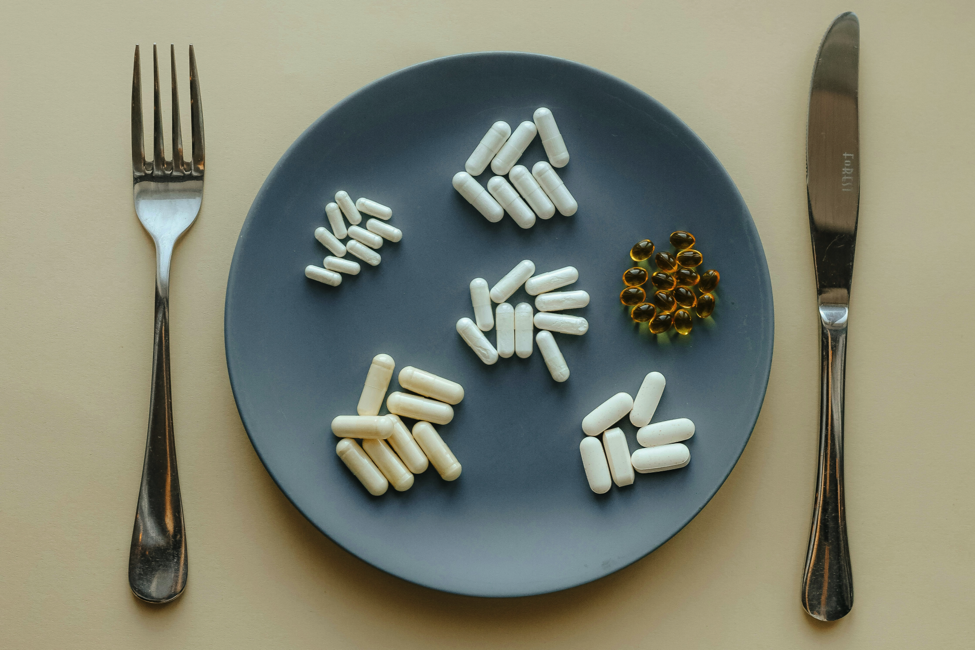
Source: Unsplash/Natali Hordiiuk
Buying supplements has never been more convenient. You see ads scrolling on Instagram or a yellow basket on TikTok, and you’re a few clicks from checkout. Remember, the FDA doesn’t sign off on supplements before they go on sale.
The best companies can do is vouch for their own products through their labeling. They can have a label saying, “3rd party certified for purity & potency and lab tested,” but don’t specify either. So, how can you vet if a supplement is safe to buy? Here’s a checklist to help:
Check the Label Like a Skeptic
A Supplement Facts panel must list the serving size, the number of servings per container, every ingredient, and the amount of each per serving. But, they can leave out information, like:
- Individual doses
- “Manufactured for” labels
- Issuer of the 3rd party seals and certifications
Labels are claims. Independent testing and research companies, such as ConsumerLab, often identify gaps between what companies say and what they put in the “lab tested” labels.
“Lab Tested” Means Nothing Without a Name
A vague “lab tested” badge you can’t trace is a red flag. Here are some of the known names for testing supplements:
- NSF Certified: Only program recognized by USADA, Major League Baseball, and NHL.
- Informed Sport: tests every single batch before it ships
- USP Verified: checks identity, potency, and purity.
When a brand’s own testing claims are fuzzy, it helps to have someone outside the brand doing the checking. That’s the whole idea behind companies like Evident. Platforms like this are staffed by independent reviewers who buy products, test them in labs, and publish the full results.
Testing for the Individual
You can always vouch for legitimate lab-tested supplements. However, what works for others might not work for you. The better approach is to get yourself tested, then supplement the gap.
Get bloodwork, track your diet, fill what’s actually missing. Low iron, so iron. Not much winter sun, so vitamin D. No oily fish, so omega-3.
The form of the supplements you take matters as well. Magnesium glycinate absorbs well, while the cheaper oxide mostly just moves through your bowels. Methylated B vitamins come in the shape your body can use straight away.
Reviews Catch What Labels Hide
Customer reviews flag the practical stuff a label never will. Capsules the size of a horse pill. Stock that shows up near its expiry date. A “serving” that takes eight tablets to hit the dose on the front. All useful. Just remember, reviews are gameable.
Trusting the GMO-free shop down the street is more habit than evidence. Let reviews back up the rest of the checklist rather than stand in for it. So before the next bottle lands in the cart, run the pass. Who made it? What the label says, and what it leaves out.
If Claims are Too Good to Be True, They Probably Aren’t
Supplements don’t equal medication. That’s why most ads you see online, on the radio, or on TV have those long, fast, and easy-to-miss disclaimers. “XYZ is not medicine and shouldn’t be used to treat any type of illness.”
If what they’re claiming feels too good to be true, it’s likely a marketing tactic. So, if you’re unsure about the legitimacy of their claims, here are some warning signs to look out for:
- It claims to cure something: Supplements aren’t meant to cure or heal medical issues.
- Too many success stories: These can be fabricated and aren’t clinical evidence.
- Fast-acting claims: Watch out for claims like, “Lose weight in 2 weeks.”
- Hard claims: Phrases like “100% Pure” or “All- Natural.”
Supplements With Higher Recommended Dosage
Look at the Daily Value (DV) of vitamins and minerals a supplement contains. Too much of a mineral can be toxic to the body. Supplements with 100% of the recommended DV are more likely to induce side effects.
Supplements can also have negative interactions with medications you’re currently taking. If you’re unsure of the effects a supplement might have on your medication, discuss things with your healthcare provider first.
Some Supplements Don’t List All Its Ingredients
Reading the label only catches what a brand chose to print. The bigger risk is what was never listed. The FDA keeps finding supplements spiked with undeclared prescription drugs and untested compounds, mostly in weight loss, sexual enhancement, and bodybuilding products.
It has flagged more than 1,000 of them, and the count keeps rising each year. So “look up any ingredient you don’t recognize” is fine advice, but it can’t catch a hidden one by definition. What you can actually check is the FDA’s Health Fraud Product Database.
When the agency’s lab finds an undeclared drug in a product, the product is added to the database, searchable by name. Run a supplement brand through it before you buy, especially in those high-risk categories.
Other Articles You May Find of Interest...
- Caffeine Tablets for Staying Awake: Benefits and Risks
- Common Signs of Low Iron Levels and How to Address Them
- The Quest for Longevity: Supplement Trends Shaping Health Span in 2026
- How to Get a Vitamin B12 Shot Safely
- The Power of L-Methylfolate: Could Your Multivitamin or Methylfolate Supplement Be Using the Wrong Form of Folate?
- Vitamin B12 Supplements in the UK: Forms, Doses and What to Consider
- How to Buy Supplements Online Safely: What to Check Before You Order