






More Cancer Awareness Articles
Yousuf Gaffar: Newly Approved Device Brings At-Home Treatment Option for Pancreatic Cancer Patients
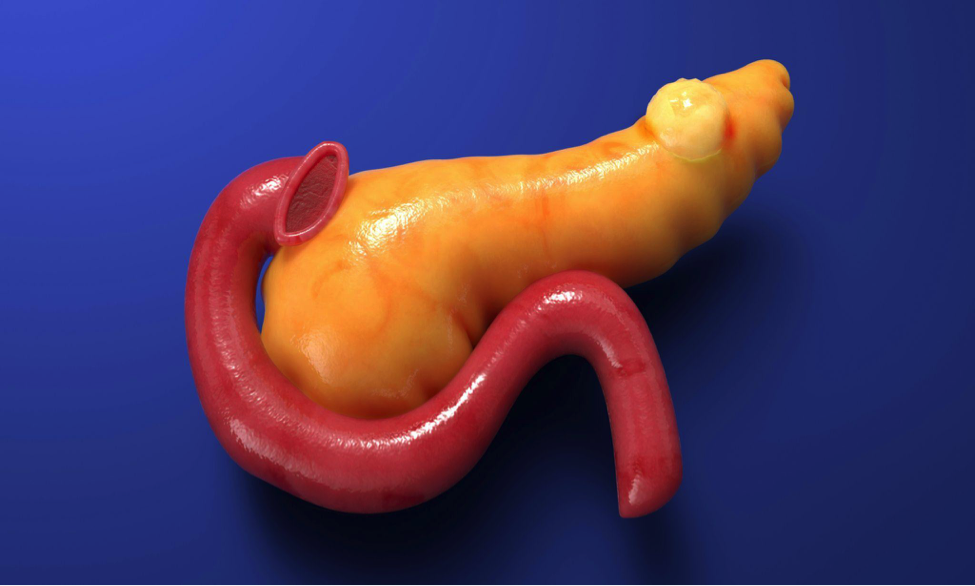
Image source: Unsplash
Pancreatic cancer remains a formidable health challenge, with limited advances seen over recent decades. Recent developments, however, offer new hope for patients and their families. As Yousuf Gaffar explains, the emergence of the Optune Pax device represents a major leap forward, introducing a novel at-home therapy aimed at improving treatment outcomes and patients’ quality of life.
Unlike traditional approaches, this device utilizes Tumor Treating Fields, harnessing electrical fields to target cancer cells with precision. The FDA’s recent approval highlights the device’s promise and underscores a broader trend in oncology: moving toward therapies that are not only effective but also designed with patient convenience and well-being in mind. As access to Optune Pax expands, the oncology community is watching closely, eager to see how this technology could reshape pancreatic cancer care and potentially influence the management of other difficult-to-treat cancers.
Pancreatic Cancer and Current Treatment Challenges
Pancreatic cancer ranks among the most aggressive cancers in the United States, accounting for a significant number of cancer-related deaths each year. Many patients face a delayed diagnosis because symptoms often appear only after the disease has advanced. Some individuals initially attribute their symptoms to digestive issues or stress, further complicating timely detection.
Treatment options are limited, with surgery, chemotherapy, and radiation offering modest improvements in survival. In many cases, the cancer’s location and resistance to therapy make it especially difficult to manage, leading to a continued search for new, more effective approaches.
Optune Pax: A New At-Home Device for Pancreatic Cancer
Optune Pax has emerged as an innovative treatment option designed specifically for patients with locally advanced pancreatic cancer. This portable device delivers Tumor Treating Fields, a type of alternating electrical field therapy, directly to the tumor area. By interfering with the process of cell division, these fields can inhibit the growth of cancer cells while leaving healthy tissue largely unaffected. The technology leverages a mechanism distinct from chemotherapy’s chemical action, offering a new dimension in targeted therapy.
Patients wear Optune Pax at home, integrating the device into their daily lives with minimal disruption. Unlike traditional therapies, which often require lengthy hospital stays or clinic visits, this system allows users to maintain greater control over their routines. Similar technology has already made a difference in treating certain brain tumors, giving hope that a comparable impact can be achieved in pancreatic cancer care.
Regulatory Milestone and Clinical Evidence
The FDA approval of Optune Pax marks a turning point in pancreatic cancer. This decision followed the completion of the PANOVA-3 Phase 3 clinical trial, which showed improved outcomes when the device was used alongside standard chemotherapy. The PANOVA-3 Phase 3 trial reported improved overall survival when Optune Pax was used alongside standard chemotherapy. The study also evaluated quality-of-life measures and safety outcomes.
The implications of this regulatory milestone extend beyond a single device—it signals a broader shift toward patient-centered therapies that emphasize both effectiveness and convenience. Researchers continue to monitor results as more patients begin using Optune Pax under real-world conditions. Many in the medical field see this as evidence that regulatory bodies are now more receptive to innovative treatment models.
Advantages of At-Home Therapy
Optune Pax’s at-home design offers unique benefits, particularly for those seeking to minimize time spent in clinical settings. Many patients value the flexibility to continue daily activities while undergoing therapy, allowing for a greater sense of independence during treatment. This can also alleviate some of the logistical and emotional burdens that frequent hospital visits often place on families. Loved ones may also experience reduced stress when caregiving can take place in a familiar, comfortable setting.
Some patients using Optune Pax have reported a greater sense of normalcy, as they can take part in family gatherings, work, or hobbies without significant interruption. The ability to remain in familiar surroundings has been shown to positively influence emotional well-being and overall quality of life.
Access and Practical Use for Patients
Gaining access to Optune Pax involves coordination between healthcare providers, patients, and insurance companies to ensure eligibility and coverage. Patients typically receive personalized instruction on operating and maintaining the device, with ongoing support from care teams to address any questions or challenges that arise. Educational resources and troubleshooting assistance are often available by phone or online, easing the transition to home therapy.
Integrating Optune Pax into an existing treatment plan is managed with careful consideration of each individual’s needs and circumstances. Cost factors and insurance coverage can vary, but support programs are often in place to help patients navigate these complexities. In some cases, nonprofit organizations also provide financial assistance or a connection to advocacy groups.
Some users have shared their stories of adapting to the device and finding renewed hope amid challenging diagnoses. Family members often describe relief at seeing their loved ones able to participate more fully in daily life. As new data emerge, healthcare providers look ahead to further expanding the role of noninvasive technologies in oncology.
Other Articles You May Find of Interest...
- Yousuf Gaffar: Newly Approved Device Brings At-Home Treatment Option for Pancreatic Cancer Patients
- Why Safer Oncology Drug Handling Matters Beyond the Hospital
- Navigating the Challenges of Fungating Breast Cancer and Its Impact on Quality of Life
- Exploring RTPA: Understanding Its Role and Relevance in Health Education
- Exploring the Basics of Wedge Resection for Lung Health
- Early Signs of Pediatric Cancer Every Parent Must Know
- Exploring the Role of Neoadjuvant and Adjuvant Therapies in Cancer Treatment



