






More Vascular Health Articles
What You Need to Know About Drain Haematomas and Their Drainage Process
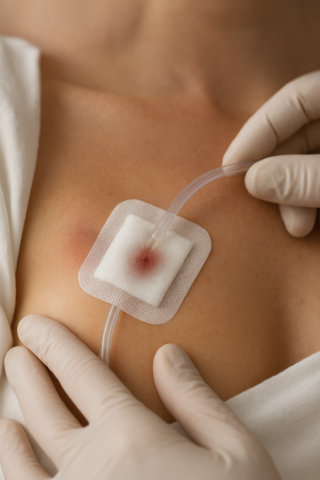
Imagine waking up to a distinct swelling and discoloration beneath the skin after a minor fall or surgery. This might be a haematoma, a collection of blood outside the blood vessels. When doctors recommend getting a drain haematoma, it means they aim to relieve the pressure and promote healing. These are relatively common occurrences and can result from trauma, certain surgeries, or even simple daily activities.
The Process of Draining a Haematoma
Drainage of a haematoma often involves a straightforward procedure that helps alleviate discomfort and prevent complications. The method varies depending on the haematoma’s size, location, and cause. Typically, a small incision allows accumulated blood to exit, reducing swelling and pressure. In some cases, a tube might be inserted for continuous drainage to prevent recurrence.
A haematoma becomes noticeable due to the body’s reaction to blood pooling outside of vessels, resulting in pressure, skin discoloration, and sometimes pain. Many individuals experience these symptoms shortly after an injury or operation. How are haematomas drained effectively? Physicians weigh factors like size and risk of infection before deciding whether drainage is necessary.
When to Seek Care
Self-managing a haematoma is often possible, particularly when it’s small and not causing significant discomfort. However, it’s crucial to seek medical attention if the haematoma grows in size, becomes painful, or shows signs of infection, such as redness or warmth. A healthcare provider, typically a primary care physician or a surgeon, can assess whether professional intervention is required. If you notice severe symptoms, it’s time to contact your doctor.
Everyday Impact of Haematomas
While many haematomas resolve without intervention, they can sometimes interfere with daily life. A painful haematoma might limit movement or make routine tasks uncomfortable. For active individuals, noticing a haematoma can lead to frustration due to restricted activity levels. Understanding the options available and how a haematoma is drained helps alleviate concerns about impact on personal or professional life.
Medication and Haematoma Drainage: What to Consider
If you’re taking medications, you might wonder if they affect the process of getting a haematoma drained. Generally, it’s essential to inform your healthcare provider about any medications you’re taking, including blood thinners, which can influence bleeding risk. Adjusting or pausing medications might be recommended before a procedure. Consult your doctor for personalized recommendations.
The Myths and Facts of Haematoma Resolution
Common misconceptions surround the natural resolution of haematomas. While some shrink on their own, not all do, and it’s a myth that leaving a large or painful haematoma untreated is always safe. Appropriate drainage can hasten recovery and prevent complications. Knowledge about haematoma drainage empowers you to make informed decisions regarding your health.
If you’re interested in learning about related health topics, you might find the external resource on general health conditions informative.
- Haematomas result from blood pooling outside of vessels.
- Drainage often involves a small incision to alleviate pressure.
- Seek care if a haematoma is large, painful, or shows infection signs.
- Medications like blood thinners may affect drainage options.
- Professional assessment ensures appropriate treatment.
Common Questions
Should I see a doctor for all haematomas?
Not necessarily. Minor haematomas often resolve with home care, but seek medical attention if you experience significant pain, increasing swelling, or infection signs.
What type of provider handles haematomas?
A primary care physician or a surgeon typically evaluates haematomas. If necessary, they will perform the drainage or refer you to a specialist.
Can haematomas affect my daily routine?
Yes, especially larger ones, as they can cause discomfort and limit movement. Effective drainage can help restore normal activity levels.
How are haematomas drained?
It usually involves a small incision to release blood. In some cases, a drainage tube is inserted. This alleviates pressure and promotes healing.
What precautions should be taken with certain medications?
It’s important to disclose all medications to your healthcare provider, especially blood thinners, as they may influence the procedure’s safety and outcomes.
In conclusion, understanding the reasons for and methods behind the decision to drain haematoma helps individuals make informed health decisions. It’s always wise to engage with healthcare professionals for evaluation and treatment when necessary.
Other Articles You May Find of Interest...
- Blood Clots in Pictures: What to Look For
- Venous Reflux: What It Is, Why It Happens, and What to Do About It
- Exploring the Anatomy and Functions of the Frontal Section of the Head
- Exploring the Fascinating Functions of Human Body Organs
- Can a 5 Day Juice Fast Lead to Effective Weight Loss?
- The Benefits of Using a Reusable Insulin Pen Injector for Diabetes Management
- Navigating the Challenges of Unknown Allergies: What You Need to Know




