






More Heart Disease, Stroke and Diabetes Articles
Is Tupelo Honey Really Better For Diabetics?
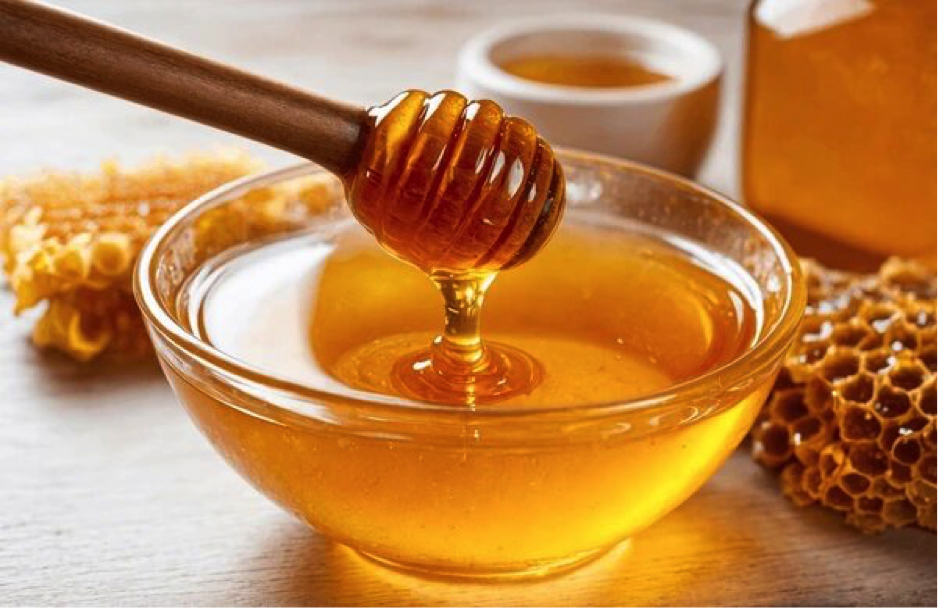
Tupelo honey is often sold as a diabetic-friendly sweetener, the rare honey that lets you enjoy something sweet without the usual hit to your blood sugar. It is a tempting idea, and it is repeated almost everywhere. The reality, once you look at the research, is more complicated than the marketing suggests.
Tupelo honey is a genuinely special, high-quality honey, and it can be a better choice than refined white sugar when used carefully. What it is not is a free pass for anyone managing diabetes, and the popular claim that it is meaningfully better than other honeys for blood sugar does not hold up well in practice. Below, we look at why people believe Tupelo honey is better for diabetics, what really happens to your blood sugar, and how to use it sensibly if you choose to.
Why Tupelo Honey Is Often Called Better for Diabetics
If you have looked into Tupelo honey, you have probably seen it praised as a smarter sweetener for anyone watching their blood sugar. That reputation rests on several specific arguments, and each one is worth understanding before we put it to the test.
Reason 1: Tupelo Honey Is High in Fructose and Low in Glucose
Everything starts with Tupelo Honey’s unusual sugar makeup. Where most honeys are fairly balanced between fructose and glucose, tupelo carries a high fructose-to-glucose ratio of around 1.5 to 1. That ratio matters, as fructose and glucose behave very differently in your body, and fructose is the gentler of the two on blood sugar. This high fructose content also keeps tupelo liquid for years instead of crystallizing, and it sets up every claim that follows.
Reason 2: A Lower Glycemic Index Than Refined Sugar
The glycemic index ranks how quickly a food raises your blood sugar, on a scale where pure glucose sits at 100. Fructose is handled mainly by the liver rather than spiking blood glucose directly, so honey tends to score lower than table sugar. Here is how the common sweeteners compare:
| Sweetener | Approximate glycemic index |
| Fructose | 23 |
| Honey (average) | 55 |
| White table sugar | 68 |
| Glucose | 100 |
Reason 3: Steadier Energy Without the Sugar Crash
Another reason people choose Tupelo honey is the way it may affect energy levels. Some believe its higher fructose content allows the body to absorb sugar more slowly, providing a more gradual release of energy throughout the day.
Unlike sugary snacks that can cause a quick burst of energy followed by a sudden crash, Tupelo honey is often associated with a steadier feeling of energy. Those energy crashes can leave you feeling tired, hungry, and reaching for more sugar. For people trying to avoid sudden ups and downs in energy levels, this is one of the most appealing benefits linked to Tupelo honey.
Reason 4: Antioxidants and Anti-Inflammatory Compounds
Tupelo honey also brings things to the table that refined sugar simply cannot. Beyond sweetness, raw honey comes with a handful of natural extras worth knowing about:
- Antioxidants that help neutralize the cell-damaging free radicals linked to aging and disease
- Anti-inflammatory compounds that some research connects to better heart and metabolic health
- Trace plant compounds and phytochemicals carried over from the Tupelo blossom
If you want your sweetener to do a little more than simply sweeten, that difference carries real weight.
Reason 5: Natural Nutrients That White Sugar Lacks
As a raw, minimally processed food, honey retains trace vitamins, minerals, and natural enzymes that remain intact when it is not heavily refined or exposed to high heat. White table sugar undergoes extensive processing that removes everything except sweetness, leaving behind an added sugar that offers no nutritional value.
The amounts found in honey are modest, so a spoonful is not a replacement for nutrient-rich foods. Even so, it provides more than refined sugar ever could. This added nutritional content is one of the reasons many people view Tupelo honey as a more wholesome alternative to regular sugar.
Reason 6: Why Some People Believe It May Affect Blood Sugar Differently
One of the most common claims is that tupelo honey may support a steadier insulin response compared to refined sugar, helping the body process blood glucose more smoothly.
This idea is based on a few simple points:
- Blood sugar may rise more slowly than it does with white sugar
- Fructose is absorbed and processed differently from glucose
- Energy may feel more stable over time instead of sharply spiking
- Often chosen by people trying to cut back on highly processed sweeteners
- Contains natural compounds not found in refined sugar
These factors together explain why Tupelo honey is often seen as a more balanced option for sweetness. However, when blood sugar responses are measured in real situations, the difference is not always as clear as these claims suggest.
How Tupelo Honey Really Affects Blood Sugar
The theory sounds convincing at first, but it changes once you look at how Tupelo honey behaves after it is consumed. The actual data paints a different picture from the marketing claims.
Instead of the gentler impact often suggested, the measured response shows that its effect on blood glucose is closer to that of other common honeys. This is where the gap appears between expectation and reality, and why the “low-GI honey” idea does not fully hold up when tested.
The Glycemic Index Reality
In reality, Tupelo honey has a glycemic index of around 74, which places it in the high-GI category rather than the low range it is often associated with in marketing claims. This puts it broadly in line with other common varieties such as clover and buckwheat honey, rather than below them.
The lower figures of 35 to 40 that are frequently shared online have not been consistently supported by published testing. They do not accurately reflect how tupelo honey behaves when measured for its actual impact on blood glucose levels.
Why the High-Fructose Theory Falls Short
The high fructose ratio that the whole theory rests on simply does not deliver a lower glycemic index in practice. Tupelo’s extra fructose does not give it the blood sugar advantage the theory promises. Honey is roughly 80 percent sugar by weight, so tupelo still raises blood glucose much like any other honey. That gentler ratio does not translate into a gentler effect once it reaches your bloodstream.
Tupelo honey is not meaningfully better than other honeys when it comes to blood sugar control.
Is Tupelo Honey Better Than Refined Sugar for Diabetics?
If Tupelo does not beat other honeys, there is still a fairer question worth asking. How does it compare with the refined white sugar it is meant to replace?
Where Honey Has a Slight Edge
Against ordinary table sugar, honey does have a few genuine advantages:
- A slightly lower glycemic index, so blood sugar tends to rise a little more gradually
- Antioxidants and trace nutrients that refined sugar does not provide
- A natural sweetness that often means you can use a little less
- A makeup that some people simply find easier to tolerate than white sugar
None of these makes honey a health food, but together they do make tupelo a more thoughtful choice than the sugar bowl.
Why It Is Still Sugar
The advantages only go so far, and honey is still sugar at its core. It counts as an added sugar, and a single tablespoon holds around 17 grams of carbohydrate that goes toward your daily limit just like anything else. Whether it comes from a jar of tupelo or a bag of white sugar, that carbohydrate still affects your blood glucose. Treating honey as a harmless extra is exactly the mistake that gets people into trouble.
As a natural sweetener used sparingly, tupelo honey can be a better pick than refined sugar, but it is not something to add freely to a diabetic diet.
How to Use Tupelo Honey Safely If You Have Diabetes
So where does this leave you if you have diabetes and still want to enjoy a little honey? The key is to treat tupelo as an occasional, carefully measured treat rather than a daily habit. A few simple rules make a real difference:
- Keep portions small, around a teaspoon at a time
- Stay within roughly 5 to 25 grams a day, as larger amounts can work against your long-term blood sugar control
- Never eat it on an empty stomach, and pair it with protein, fat, or fiber to slow absorption
- Count every gram toward your daily carbohydrate budget
- Monitor your blood glucose so you can see how your body actually responds
- Never use honey as a replacement for prescribed medication or insulin
Quality matters too. If you do choose to use it, pick a pure, raw tupelo honey from a trusted source such as Smiley Honey, rather than a cheap blend that may be cut with corn syrup. Finally, treat all of this as general information rather than medical advice, and speak with your doctor or dietitian before making honey a regular part of your diet.
Is Tupelo honey safe for people with diabetes?
In small amounts, most people with diabetes can include tupelo honey, but it is not risk-free. It still raises blood sugar, so keep portions tiny, count the carbs, and check with your doctor before adding it regularly.
Does Tupelo honey raise blood sugar?
Yes, it does, despite its high fructose content. Tupelo honey’s glycemic index is around 74, similar to other honeys, and it is roughly 80 percent sugar, so it raises blood glucose much like any sweetener.
How much Tupelo honey can a diabetic have?
There is no fixed amount, but research suggests roughly 5 to 25 grams a day at most, which is only a teaspoon or two for most people. Start small, monitor your blood sugar, and follow your doctor’s advice.
Conclusion
Tupelo honey is not “better for diabetics” in the way it is often promoted. It does not outperform other honeys in terms of blood sugar impact, and like all honeys, it remains a form of sugar that raises blood glucose and contributes to total carbohydrate intake.
What it does offer is a high-quality natural sweetener that can be used more mindfully than refined white sugar. For people managing diabetes, it may fit into the diet occasionally and in small, measured portions, alongside regular blood sugar monitoring and professional medical guidance. In that context, it is a treat rather than a daily staple and should be treated accordingly.
If purchasing tupelo honey, look for products that are pure, raw (if desired), and sourced from reputable producers with transparent labeling.
Other Articles You May Find of Interest...
- Is Tupelo Honey Really Better For Diabetics?
- Cardiology: The Heart of Modern Medicine
- Recognizing the Symptoms of a Hole in the Heart in Adults
- What Your Cholesterol Numbers Are Actually Telling You (And How Nutrition Can Help)
- Exploring Life Expectancy After the Watchman Procedure: What to Expect
- How Long Does an Echocardiogram Take? What to Expect
- What Does a Heaving Heart Indicate About Your Health?




