More Gastroenterology Articles
What to Know About Gallbladder and Appendix Removal Procedures
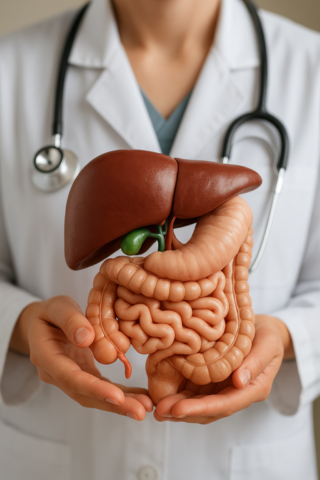
Many people find themselves wondering whether they should be concerned about gallbladder appendix removal when experiencing sudden abdominal pain. Both the gallbladder and appendix, though small in size, can cause significant discomfort when issues arise. While the conditions requiring their removal are common, understanding the procedures can ease the anxiety of anyone facing surgery. Whether it’s acute appendicitis or chronic gallbladder problems, timely intervention can significantly affect your health and well-being.
Understanding Gallbladder and Appendix Removal Procedures
Gallbladder appendix removal often sparks questions about why such procedures are necessary and how they are performed. The gallbladder can become compromised through gallstones or inflammation, leading to a need for removal. Similarly, the appendix, when inflamed or infected, can cause appendicitis, and surgery is usually the definitive treatment. The most common procedures for these conditions are laparoscopic, minimally invasive surgeries that offer quicker recovery times compared to traditional open surgeries.
What to Expect During Recovery
After undergoing either gallbladder or appendix surgery, patients can expect some downtime for recovery. For laparoscopic procedures, many patients return to normal activities within a week or two. However, it’s essential to follow your surgeon’s advice on activity levels and dietary changes to ensure proper healing and avoid complications. Most people experience an improvement in symptoms post-surgery, but it’s crucial to acknowledge and respect the body’s healing process.
Potential Side Effects and Concerns
Like all surgeries, these procedures can have side effects. Patients might experience some digestive changes or diarrhea after gallbladder removal, while others may feel tired and sore. It’s important to monitor your body’s response and report any unusual or persistent symptoms to your healthcare provider. Pain management and gradual reintroduction to regular activities are part of the recovery process.
When to Seek Care
If you experience severe abdominal pain, nausea, vomiting, or a fever, it’s crucial to consult your healthcare provider. These symptoms may indicate the need for prompt medical evaluation. Gastroenterologists and surgeons are typically involved in treating conditions requiring gallbladder or appendix removal. Early intervention can prevent complications and ensure a smoother recovery.
Medication Considerations
If you are taking any medications, it is vital to disclose this information to your healthcare provider prior to surgery. Some medications might need to be paused or adjusted temporarily. Also, after the surgery, medications for pain management may be prescribed. Discuss any concerns about side effects or interactions with your physician to tailor your medication plan to your needs while maintaining safety.
For more instructional health topics, visit this comprehensive resource.
Impact on Everyday Life
The removal of the gallbladder or appendix often leads to a substantial improvement in quality of life since the underlying painful conditions are alleviated. Most individuals find they can return to their daily routines with little to no long-term consequences. It’s important to pay attention to nutritional guidance given by your healthcare provider to manage any digestive changes effectively.
Common Questions
How long is the recovery time for these procedures?
Recovery time can vary depending on whether the procedure was laparoscopic or open surgery. Typically, laparoscopic recovery is quicker, with full return to regular activities happening within a few weeks.
What type of specialist performs gallbladder and appendix removal surgeries?
A general surgeon who specializes in abdominal surgeries will typically perform these procedures. In some cases, a gastroenterologist may be involved in the diagnosis and management before the surgical intervention.
Can diet affect the need for these surgeries?
Yes, diet can influence the formation of gallstones or appendicitis risk. A well-balanced diet rich in fiber and low in refined sugars and fats may reduce the risk of gallbladder issues and promote overall digestive health.
Are there any long-term effects of having nowhere gallbladder or appendix?
For most people, there are no significant long-term effects, and they can lead normal healthy lives. Some may need to adjust diets to accommodate any new digestive changes.
What symptoms should not be ignored that require urgent medical attention?
Severe abdominal pain, persistent vomiting, high fever, or jaundice are symptoms that need immediate medical assessment.
- Gallbladder and appendix removal are common surgeries with high success rates.
- Laparoscopic procedures offer quicker recovery times.
- Consult your doctor promptly if experiencing severe symptoms.
- Maintain a balanced diet to support digestive health post-surgery.
- Medication plans should be individually tailored post-operation.
Facing surgery, whether it’s gallbladder appendix removal or either individually, can be daunting, but knowing what to expect can alleviate some fears. Proactively consulting healthcare providers and following their recommendations ensures the best recovery and return to everyday activities.
Other Articles You May Find of Interest...
- Why You Get Stomach Bloating and Gas After Eating Meat
- Why Does Chick-fil-A Make My Stomach Hurt?
- Dr. Omar Marar on the Evolution of Modern Colorectal Surgery
- Pain Where Your Appendix Was Removed Years Ago: Possible Causes
- Why Multi-Strain Probiotics May Offer Broader Digestive Support
- What a Healthy Colon Looks Like During Colonoscopy
- A Better Digestive Rhythm: Everyday Habits for Preventing Occasional Constipation